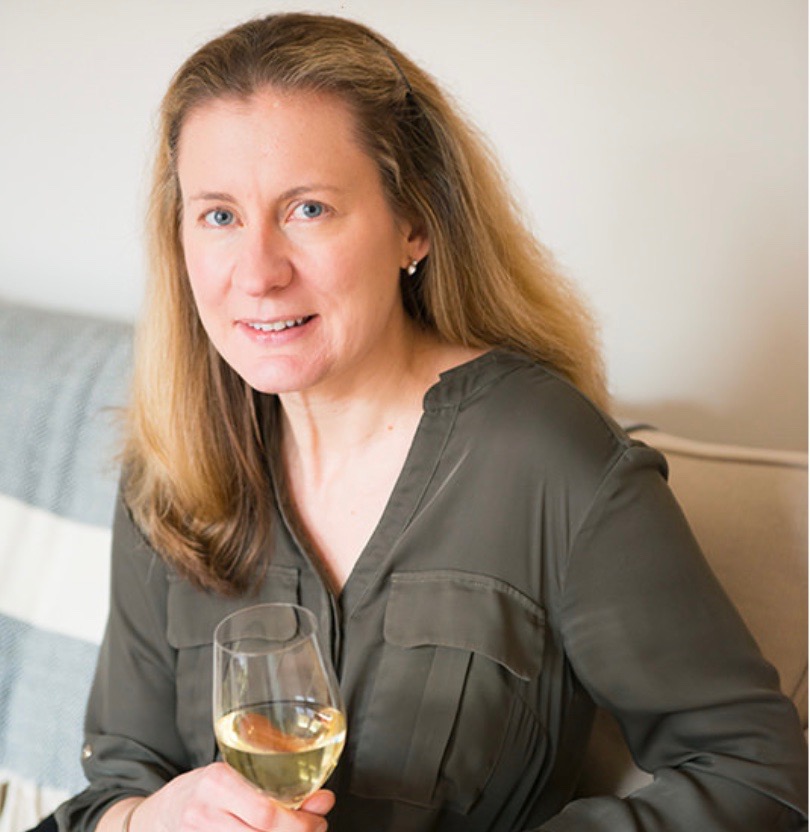
Victoria, could you introduce yourself and your role in the wine industry please? I’m based in the UK, in London, and am Founder/Director of The Little Fine Wine Company, a business that I set up in 2018, focussing on sales of great wines in half bottle (375ml) size. This might seem unusual but I’ve found that half bottles mean I can try the classics in a more affordable size, do some interesting food and wine matching, or simply avoid wasting the rest of a 75cl bottle if I don’t want to/can’t finish it.
Prior to this, I’d been in the industry for almost two decades as a wine buyer for the import and retail sectors, for both mass market and fine wines, as well as being a Master of Wine, but this is the first step into entrepreneurship.
What brought you to the business and how long have you worked here? I initially began a career in TV production as I’d enjoyed producing a show at university and was interested in the idea of documentary making. It was fun but required extensive unpaid work in order to find the right opportunities, which was untenable, so I considered other options. My father and grandfather were in the wine business which gave me the idea of working in wine, and I had previously bumped into someone at a party who had just completed a work experience placement as a tour guide with Moët et Chandon. I applied for the next placement and spent several amazing months wandering around the Moët cellars in Epernay, talking about how Champagne was made! Once the TV idea had been kicked into touch, I joined Oddbins on the shop floor, did my WSET (Wine and Spirit Education Trust) exams and it continued from there. This was in 2001 and I haven’t looked back!
When did you gain your MW and how has it influenced your approach to the wine business. I gained the MW (Master of Wine) in 2015. It was a challenging qualification that took many years to pass fully, but it’s hugely rewarding for the 400 or so of us who achieved it. It’s not strictly a vocational qualification in that you don’t need it to be a buyer, salesperson, sommelier and so on, but in terms of background information, understanding of production and business of wine, expanding the professional network and tasting more broadly, it’s the best qualification there is. In terms of negotiation, it’s been helpful too, which sounds odd as negotiation is certainly not part of the syllabus, but unless you are one of the biggest wine buyers (in which case you can dictate your price to an extent), you need to have other skills in your armoury than just being able to haggle on price. You need to have a deeper understanding of what your suppliers need and what incentivizes them, which in turn means your own company gets a good deal too. A much better understanding of winemaking, marketing and distribution has been possible via the MW.
What was the inspiration behind The Little Fine Wine Company? I’d been in the wine business for nearly two decades and had reached where I wanted to get to in the area of Buying, without having satisfied the so-called entrepreneurial itch! I felt that if I was to continue in wine, I’d have to add value to the wine industry by doing something slightly different. The UK has a wonderful, vibrant wine scene at all levels, but it’s a mature market and in my view is rather crowded. We’re in danger of selling a lot of wine badly and not necessarily meeting all the needs of consumers. While I was thinking about this, I also realised that my tolerance for wine had, despite pretending otherwise, never been good and I’d be happier drinking far less (but better) wine. So, I decided to start a company selling half bottles. It’s not an original idea, as half bottles have been around for many years, and several companies sell them, but no one else specialises in selling fine wines in half bottle, certainly not the dry wines anyway.

What do you love most about the business? I love the taste of wine and the travel that I’ve been lucky enough to do. Frankly though, I love meeting the people who make it most, as well as chatting with almost anyone in the world of wine. Most of us are not working in wine purely for financial gain, but are interested in good food and wine, and how it’s made, plus how it might resonate with the consumer, all of which I find fascinating.
What does the concept of Wellness mean to you? For me, a standard concept of wellness involves a combination of good diet, fitness, calm and mental stimulation. That said, I am not very good at balancing all of these! I enjoy being very busy and I tend to do better with a certain level of pressure and stress, meaning life is hectic rather than calm. So, I’m working on my own concept of wellness which I hope will mean I manage my hectic lifestyle to my and others’ advantage, and keep the diet, fitness and mental stimulation in balance!
How many times do you drink each week and do you limit yourself to a certain quantity of alcohol? I tend to drink five times a week but in small quantities (usually one or two small glasses each time). The half bottles really help in this respect, and while some of my trade peers will scoff, I tend to stretch a half bottle across two or three nights, as I’m the only wine drinker in the house. As long as the wine tastes good, this suits me well and also meets any definition of moderate consumption. Occasionally I drink more, usually over the festive season or with wine-trade/enthusiast friends where lots of people have brought interesting bottles of wine. Even then, it’s more about tasting great wine rather than drinking copious amounts. To be honest, I find food harder to resist than wine as I have a sweet tooth!
Has your attitude changed to drinking and wellness over the years? I’ve always had low tolerance to alcohol but didn’t originally realise it and haven’t admitted this till the last few years. So, beyond university there were plenty of moments where I drank too much without thinking about it. And some of the bigger professional tastings and judging competitions have been a challenge. But it’s easier to manage all this now I’m more aware of it and have accepted it!
What I have struggled with, in my 30s and 40s, is sleeping beyond five hours a night. I sleep soundly till around 3-4am and then wake up and can’t get back to sleep, which may or may not be something called Advanced Sleep Phase Disorder. Getting outside for longer between 7 and 9am helps get into what’s considered a normal routine, but if I’ve had too much caffeine or wine, there’s no way I’ll sleep more than 4 or maximum 5 hours a night, whatever the rest of my routine might be.
Are there foods you consciously include in your diet? If so what and why? Not at the moment, beyond making sure I have some fruit and veg each day, although I should make more effort in this respect. I have tended to eat what I like, with little downsides so far, but I am looking into eating more healthily when I’m short on time, as that is usually when my diet is worst.
Are there foods you avoid? If so what and why? Peculiarly, I’ve never liked vinegar or particularly sour foods, and frequently notice levels of acetic acid that are under others’ radar. But other than this rather particular aversion, not really. I like eating meat and will continue to eat it but when I know it’s been sustainably farmed, and in smaller quantities than before, given what we now know about impact of mass meat farming. I’m also sceptical about some of the ‘plant-based’ foods being sold by the supermarkets at the moment, as I’ve heard that several are not helpful to the climate either, but understanding more of the complexities in our food and drink chain is something that I’m keen to get to grips with this year, so my answer to this question may well be different in 2021!
What are your biggest challenges to staying fit and healthy in your job? Being a terrible sleeper is the main issue. It affects everything, as if I haven’t slept well, my diet is worse, I do less exercise and work less effectively. I’m also in front of the computer a fair amount, although as the company gets bigger there are plenty of meetings to attend and people to see. I may crave my quiet desk time soon!
How do you overcome them? Addressing the sleep by getting outside as much as possible first thing in the morning, which helps get into a slightly more normal sleep pattern. Plus, avoiding too much caffeine and sticking to moderate wine consumption, and keeping well hydrated, all of which help seem to help me rest, even if I’m not sleeping exactly.
Does that fact you are a woman help, or is it a hindrance in this business or is it now irrelevant? I haven’t really found it a help or hindrance on the whole. I was lucky enough to work for bosses (all men) who treated men and women equally, although some of the wine producers I bought from found it a little odd to be dealing with a young woman in the early days, I think. I don’t know if it is because I’m a woman (and I’ve often heard it said we are worse than men at negotiating on our own behalf) or because of my personal nature or because this is the way a demand system works, but I’ve always felt that to get a better job or better salary, moving companies was easier than trying to negotiate a better deal within the company. It’s certainly been interesting and fulfilling to see how different companies work and meet different wine producers though, so I don’t consider this a hindrance.
If you had just one or two top tips for women in wine wanting to stay well what would they be? Drink a lot more water and if you are worried about drinking too much, set a healthy limit then substitute anything over that limit with good tea or one of the better non-alcoholic or non-caffeinated drinks that are available these days, or to make it more of an event, a non-alcoholic cocktail.
Thank-you Victoria, and thank-you for the wonderful selection of half bottles at the The Little fine Wine Company.
If you have enjoyed this post please sign up here to receive future blog posts directly to your in box. If you would like to learn more about Wine and Wellness, buy your copy of The Drinking Woman’s Diet here and to learn more about Bordeaux, buy your copy of Bordeaux Bootcamp here.