Bordeaux is a tale of two wine markets: the top end is perceived as expensive and rare, luxury wines destined for privileged collectors. But, these classified growths, or their equivalents only represent about 5% of Bordeaux production (although 20% of the value). On the other hand, the vast majority of Bordeaux is affordable, offering value for money and increasingly consistent quality. This silent majority remains all too often overlooked, even by the trade.
The leaders take the spotlight, especially in export markets, giving Bordeaux an image of inaccessibility. They should be a locomotive for the wines of the region, but the magic hasn’t always filtered down. Four iconic Bordeaux names are rising to this challenge, determined to make a difference, putting their notable weight, experience and resources behind an initiative that reaches across this divide.
Solidarity
Created in 2024 by Châteaux Cheval Blanc, Lafite Rothschild,Petrusand Yquem,Vignerons AVenir is a voluntary initiative aimed at boosting young, dynamic winemakers across the region. For the 2025 vintage, each property mentored an up-and-coming winemaker, making the competence and experience of their teams available to the mentees for a whole year.
After a rigorous selection process, each partnership was created to work towards a specific goal or project of the mentee. Leading Bordeaux wine consultant Stéphane Derenoncourt, known for championing young winemakers, also volunteered his time and technical expertise. He underlined that today, it’s not enough for a winemaker simply to make great wine; they must be, and do, so much more: a grower, a communicator, a manager, a sales force – it’s a lot for one person or even for a small family team.
That’s where these larger properties can help. They have specialists with expertise in each area, not only in production. They also have an a broader, longer-term vision, so valuable for a small company with its head down in day-to-day tasks and decisions.
The candidates were chosen for the economic viability and originality of their projects, their environmental criteria and commitment to ongoing evolution, as well as their contribution to the image of Bordeaux wines. This was not to be a one-off, but a launching pad to support talented and ambitious small craft winemakers.
The chosen few
Fabien Lapeyre, vigneron at Château Lapeyre, was mentored by Château d’Yquem. Also, in the Entre-Deux-Mers Étienne and Antoine Carteyron of Château Penin were mentored by Château Petrus. Guillaume Pouvaret of Château Grand Maisonin Bourg was mentored by the team at Château Cheval Blanc and Mathieu Eyheramouno of Château Prieuré de Byzac in the Haut-Médoc by Château Lafite Rothschild. Mathieu Eyheramouno found the experience to be an accelerator: ‘thanks to their advice and experience, we achieved in six months what would otherwise have taken at least 18 months’.
Château Penin’s red vines are dominated by Merlot, so you can imagine their pleasure at being selected by the most iconic Merlot in Bordeaux. Together they worked on defining the ‘aesthetic’ of their wine, starting in the vineyard and finishing with the winemaking. Antoine Carteyron explained how the Petrus team “helped us create a detailed technical itinerary from vineyard to cellar, looking at soil management, intra-plot selection right down to the clones of each variety through massal selection”. They also worked together on winemaking, focusing on precision, tasting together, helping with the harvest date and even lending technical equipment. “They really committed, generously bringing both time and technical expertise. They reinforced some of our intuitions but, through their scientific approach, explained what would and what would not work”.
Guillaume Pouvaret of Château Grand Maison underlined the almost daily support given to their project by the Cheval Blanc team.
Better together
These ‘Grands Châteaux’ committed to at least 50 hours of face-to-face time throughout the year, free of charge, and a minimum of a monthly meeting. Such was the enthusiasm for sharing their skills and experience that this ended up being far more: they were totally invested in helping young winemakers. Try and find some of the these wines in the 2025 vintage when they come to markets in a year or so.
Call for candidates
If you are a talented Bordeaux winemaker, either already well established or just starting out, and you need help with a viable and ambitious long-term project, apply now for the 2026 vintage. They are looking for projects that are unique and that contribute to the dynamism and positive image of Bordeaux. It could be for a new product or product range, or diversification in viticulture or winemaking.
Candidates should also be environmentally engaged, with a continued desire for improvement. The successful candidates will be mentored from April 2026 to April 2027, covering the full viticultural year, winemaking and ageing. Sign up now!
Places are open until 15 March. Dossiers will be studied and pre-selected in April, when the selected candidates will be invited to present their projects in person, with the winners for the 2026 vintage announced at the end of April. This is a fantastic initiative, but the 2025 cohort was very male – and there are so many dynamic women in wine in Bordeaux. Ladies, you have until 15 March to enter the fray! Whoever you are, don’t leave it to the last minute – there’s a lot to think about if you’re in it to win it.
If you know anyone who really should apply, do forward this to them. If you want to know more about what’s going on behind the scenes in Bordeaux sign up here to be sure not to miss future blog posts.
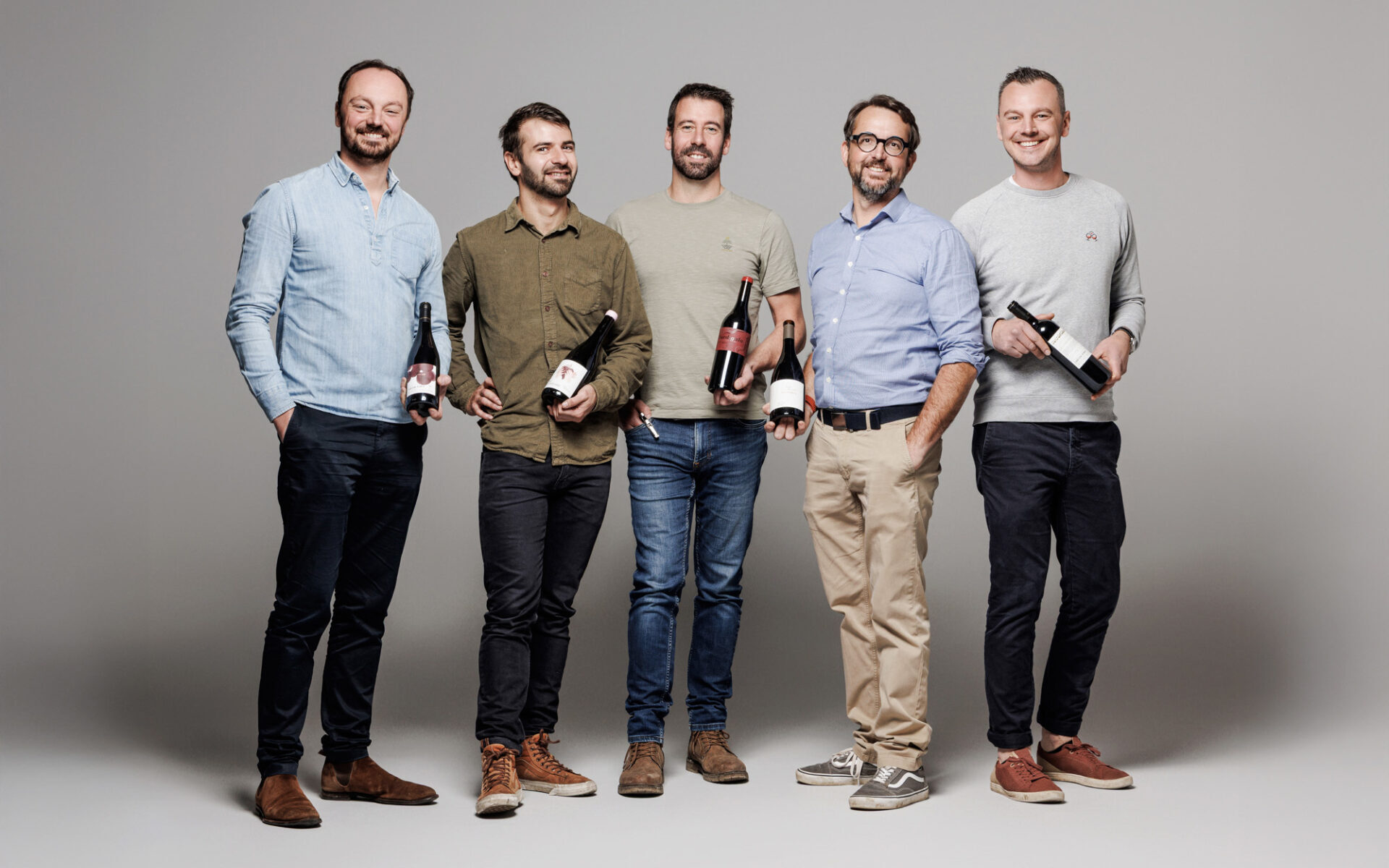
The title photo from left to right : Antoine Carteyron, Chateau Penin, Mathieu Eyhéromouno, Château Prieuré de Byzac, Fabien Lapeyre, Château Lapeyre, Guillaume Pouvaret, Château Grand-Maison, Etienne Carteyron, Château Penin
Dry January may be behind us but the ‘trend’ for no and lo alcohol (NoLo) rumbles on. 0% beers are well intrenched into most markets and wine is making progress. Unsurprising then that Bordeaux, the biggest fine wine region in France is joining the party.
My participation in Dry January was limited to joining the Curious Vines Panel with the theme Wellness at the Heart organised by Queena Wong. I tried to defend drinking wine in moderation alongside the NoLo experts, Angela Mount, from Spirits of Virtue, Irem Eren from Bev Zero, Katie Edmunds from TRIP, and Emma Heal, Managing Director of Lucky Saint. Pauline Vicard from Areni Global was tasked with keeping us in line and fielding questions from over 80 members of the trade and enthusiasts on hand to share samples and opinions.
Cherchez le vin
Although notable by its absence, dealcoholized wine was part of the conversation. The IWSR expects no and low alcohol beverage (NOLO) volumes to grow by 4% compound annual growth (CAGR) by 2028, with 7% volume CAGR for no alcohol across 10 key markets. Just as the market is demanding lighter wines, alcohol levels have risen steadily over the last decades thanks to improved viticulture, wine making and climate change. Familia Torres is investing nearly €6 million in a new dealcoholised wine warehouse in Penedès over the next two years, for its Natureo range of dealcoholised wines. One of the earliest low-alcohol brands on the market, where they expected a value growth of 20% this year!
Back to Bordeaux
But are the Bordelais are right to look to this market? The biggest NoLo growth is in Gen Z and Millennials who are no longer buying as much wine in general and Bordeaux in particular as previous boozy generations.
Technical
There are two categories of no alcohol ‘wine’, those that have had alcohol removed and those who didn’t have any to start with. Although it could be argued (and is by many producers) that neither are really wine, given its dictionary definition as an alcoholic drink made from grape juice. The two main ways of removing alcohol are vacuum distillation using spinning cones and reverse osmosis membrane filtering. Vacuum distillation at a relatively low temperature, around 30-40°C. allows alcohol to be removed gently, protecting aromas that also distil off.
Filtration, using reverse osmosis pushes wine through membranes that selectively separate alcohol while also preserving aromas. Neither is cheap nor perfect but it’s improving and growing. In both methods the wine is split into component parts to be ‘reassembled’ without the alcohol. A different process, not yet used in Bordeaux, was launched by Domain Villanoria, using non saccharomyces yeasts and bacteria to produce Levin, which sounds like grape based kombucha to me. His argument is the reduced carbon footprint which will appeal to producers who are already organic or sustainable, and many launching NoLo options are, see below. There is also the low option of choosing wines from cooler climates and lower sugar grape varieties of you want to keep things natural and sustainable.
Head start
NoLo beer is successful, it has a head start, and with less alcohol to remove, there’s less risk of pushing the product out of balance. Wine is trickier, removing alcohol affects all important mouth feel, without which the product can taste ‘watery’. Alcohol is often replaced with sugar or grape must which, for me, slightly defeats the objective if you are choosing these NoLo options for health reasons. My traditional palate finds many NoLo products too sweet, but I’m probably not the target audience, which includes soda drinkers. Without alcohol, tannins can show strongly, although making wines with lower tannins and more fruit, specifically for dealcoholisation could remedy this. Lower tannins mean less aging potential although this criticism seems fickle as honestly, are you really going to lay down these wines to age in your cellar?
Bordeaux in on the act
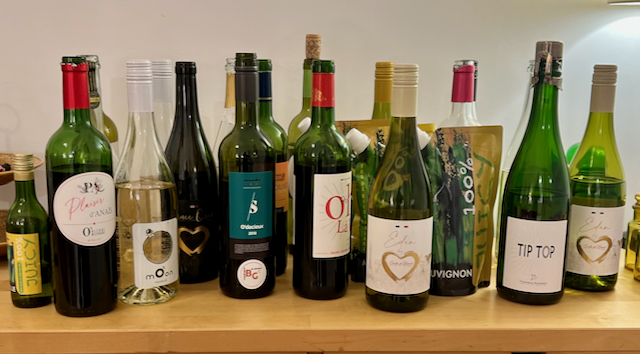
On your behalf dear readers, Alexander who runs Vinta Bordeaux, our family negociant, and I collected some samples of NoLo wine alternatives made in Bordeaux. I was surprised by how many Bordelais, from small producers to large cooperatives, are experimenting with red, white, rosé, still and sparkling NoLo offerings. More proof of the innovation across Bordeaux. We didn’t cover them all, if there’s any others you think we should try, do let me know in the comments below.
The things I do for you gentle readers……
These wines are outside Bordeaux AOC rules, but, in certain conditions, they may be sold as Vin de France, a label that can only mention the country of origin. One of the things we did see on these labels were sell by dates or best before dates, alcohol is a preservative after all.
The wines
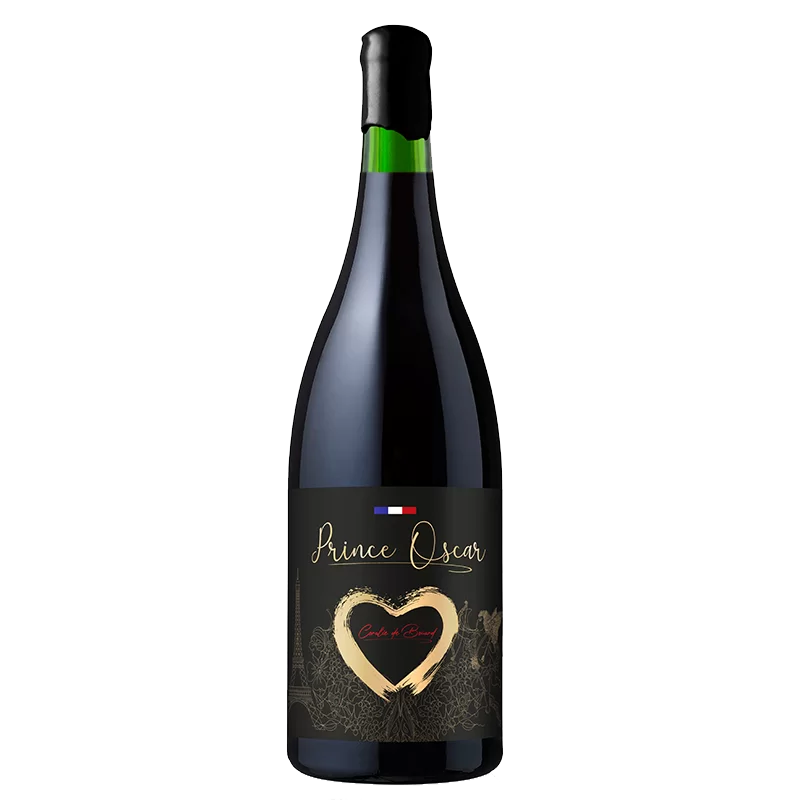
Prince Oscar de Château Clos de Bouard by Coralie de Bouard
Coralie de Boüard is pretty sure she made the first Bordeaux alcohol-free wine. She’s no stranger to traditional wine production, starting her wine career at family Château Angélus,before running Château La Fleur de Boüardin Lalande de Pomerol and now at the head of her own 30 ha vineyard, Clos de Bouardin Montagne Saint Emilion. Coralie started experimenting in 2019, following a request from the Qatari owners of the PSG football team who wanted alcohol free wine to serve in the stadium. The first release of Prince Oscar was in 2021, by 2022 Coralie was producing 50 000 bottles and now, the 35 000 bottles represent 20% of the property’s production. Not only is the product a success but it allows her to reach a broader audience for her other wines. Her red Prince Oscar is made from 85% Merlot, 10% Cabernet Franc and 5% Cabernet Sauvignon a typical right bank blend. After malolactic fermentation and 18 months in barrel ageing, the finished wine is sent to Germany to be dealcoholized, re integrating the aromas before bottling. She’s added Eden, a white 100% Sauvignon blanc also barrel aged to the 0% range. Both in burgundy style bottles. These were by the priciest of the wines iwe tasted, retailing around €25 a bottle.
Château Lamartine,
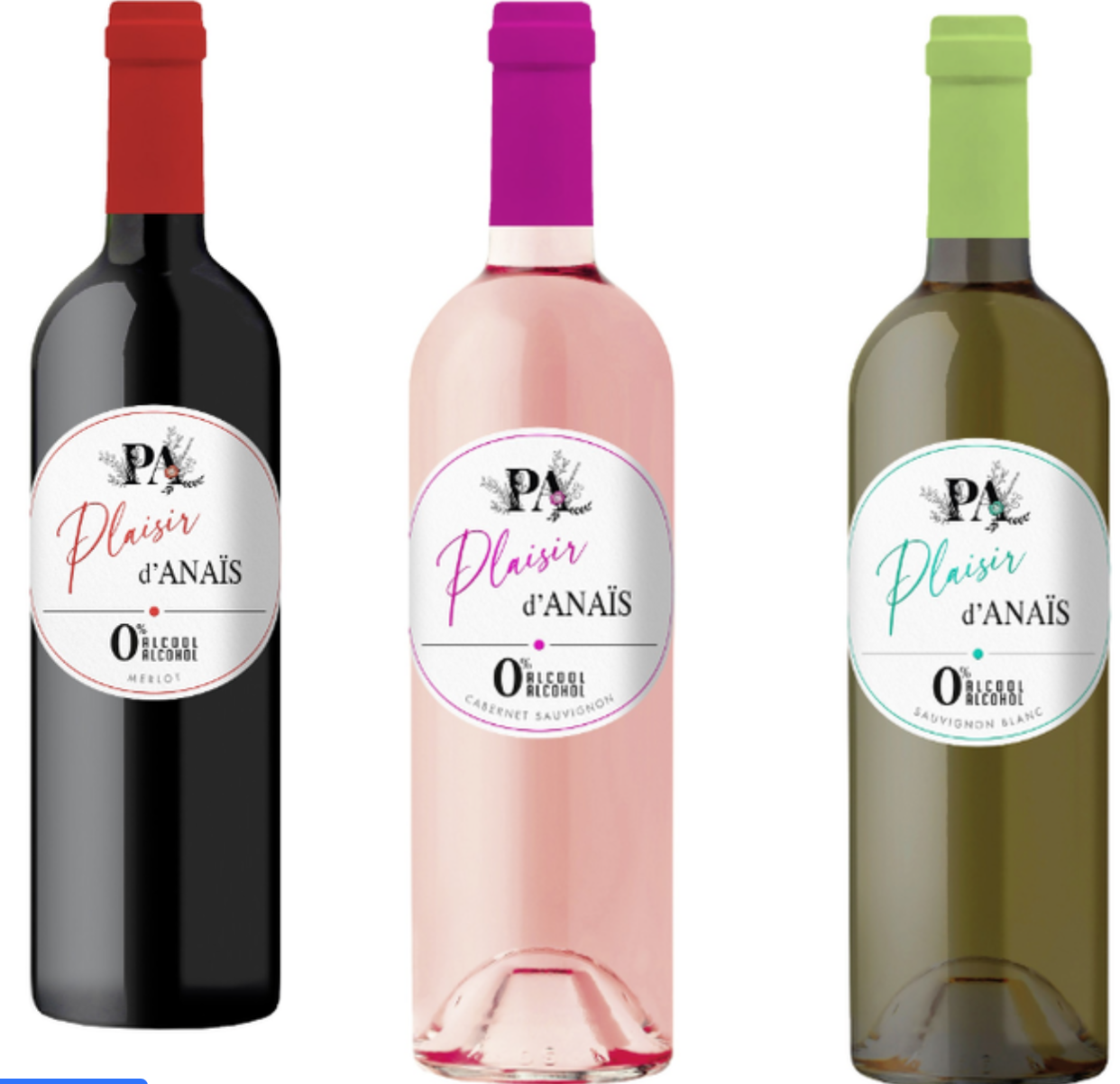
Starting with 4 ha in 1977, the 3rd generation of the Gourraud family now farm 19 ha of Merlot driven vines at Château Lamartine in Castillon Côtes de Bordeaux alongside a small plot of Malbec dedicated to their ‘no added sulphites’ wine. They launched the Plaisir Anais white, red and rosé range in 2024. The wines arefermented in stainless steel to preserve the fruit with no oak influence before vacuum distillation in the region to reduce their carbon footprint.Presented in traditional Bordeaux shaped bottlesthe white and rosé have a slight ‘frizante’ texture which helps.
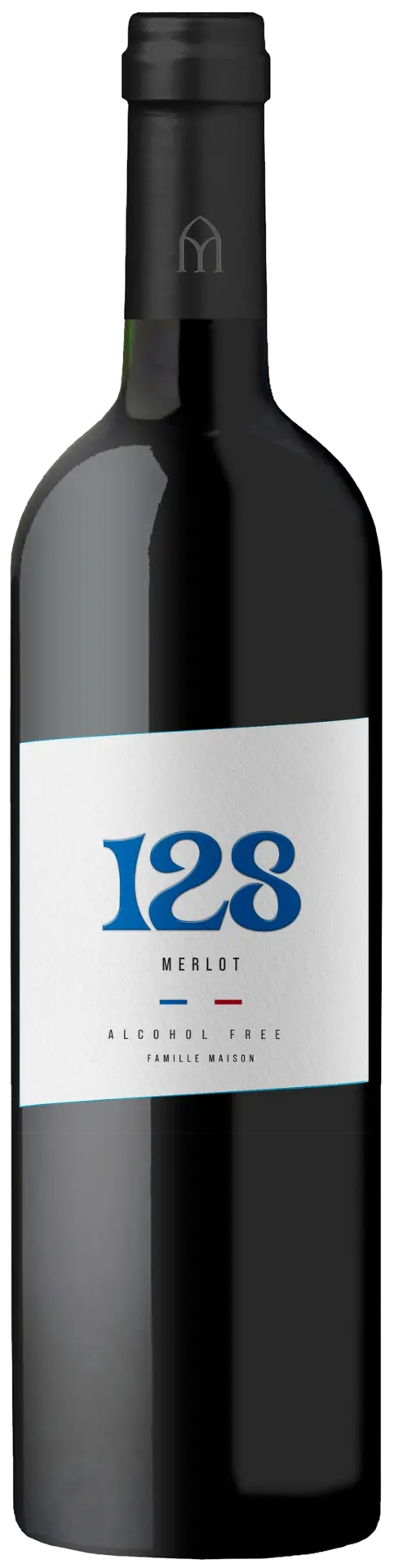
128 from Maison heritagein Puisseguin Saint Emilion is another right bank family initiative. They started making wine in the 1950s in the Loire Valley then transferred to Bordeaux after Benjamin Maison studied oenology here. They see their 0% wine as a continuation of their sustainable development that includes HVE, Terra Vitis and AREA certification. The packaging is chic and presented as an alternative to not a replacement for wine.
Small is beautiful
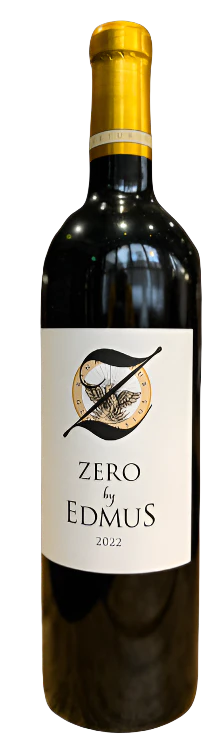
It’s unsurprising that Laurent David, owner of Saint-Emilion Grand Cru, Château Edmus is embracing innovation. He’s president of La Wine Tech, a Bordeaux wine innovation hub and previously worked for Nokia and Apple. He bought the tiny 1.6 ha property in 2019, was certified organic in 2020 and helped by the team at Stephane Derenoncourt Consultants, they are under conversion to biodynamics.1,200 bottles of Zero were made from the 2022 vintage and launched on the market in January 2024. It’s a sizeable 20% of the production. They use reverse osmosis to reduce the alcohol to 0.2% then improve sweetness and mouthfeel by adding grape must and gum arabic.
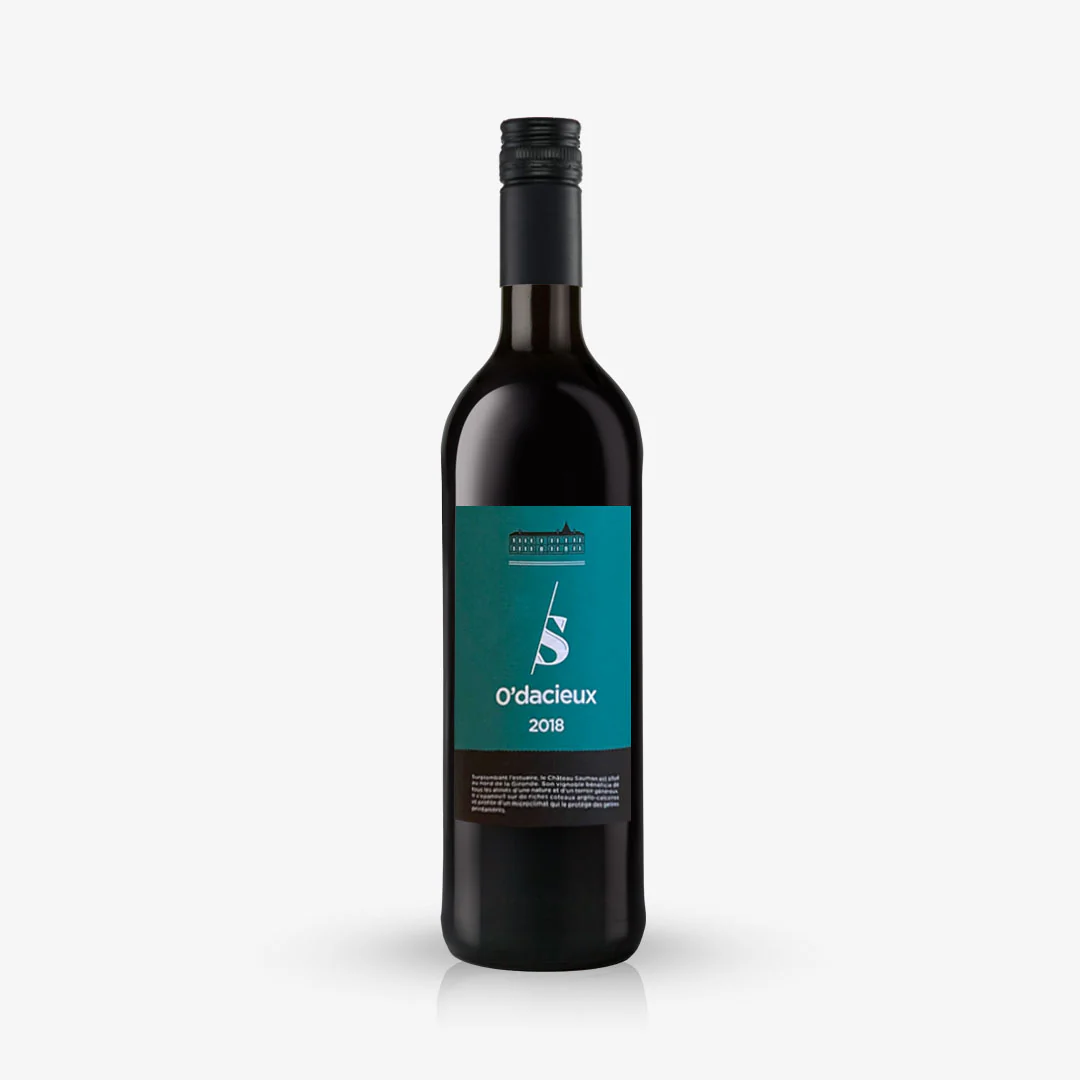
O/dacieux
Further north in the Côtes de Bourg Château Sauman produced a limited edition of a dealcoholised Merlot/Cabernet blend from the 2018 vintage (not all the NoLo show a vintage) alongside their traditional red, rosé and sparkling range. I love the back story of this wine, family owned for five generations, in 2019, it was bought by a retirement home company to supply their residents with quality wine. Only in France would you find a retirement home with chateau bottled wine on the table, I’m putting my name down now! I presume they have a good audience for their NoLo version too.
Raguenot Tip Top
The second generation Raguenot family manage Château Haut Beyzac in the Haut-Médoc and Château des Tourtes in Blaye Côtes de Bordeaux. They produce a range of four ‘Tip Top’ dealcoholised wines, sparkling, rosé, white and red from wines made on their Blaye estate. They have invested in their own plant that vacuum distils allowing them to control the process, refusing artificial additives, synthetic aromas, sweeteners or liquid tannins. They produce a red (70% Merlot, 30% Cabernet-Sauvignon), rosé, a still and a sparkling (Sauvignon, Sémillon) white. Like many producers, these wines are part of a range reaching out to as broad a customer base as possible alongside their classic, and not so classic, red, white and rosé cuvées a sparkling red and white. Other innovations include a Vin’ature with no added sulphur and 25cl cans and BIBs of red, white and rosé AOC Bordeaux.
Zéro degree by Claousait
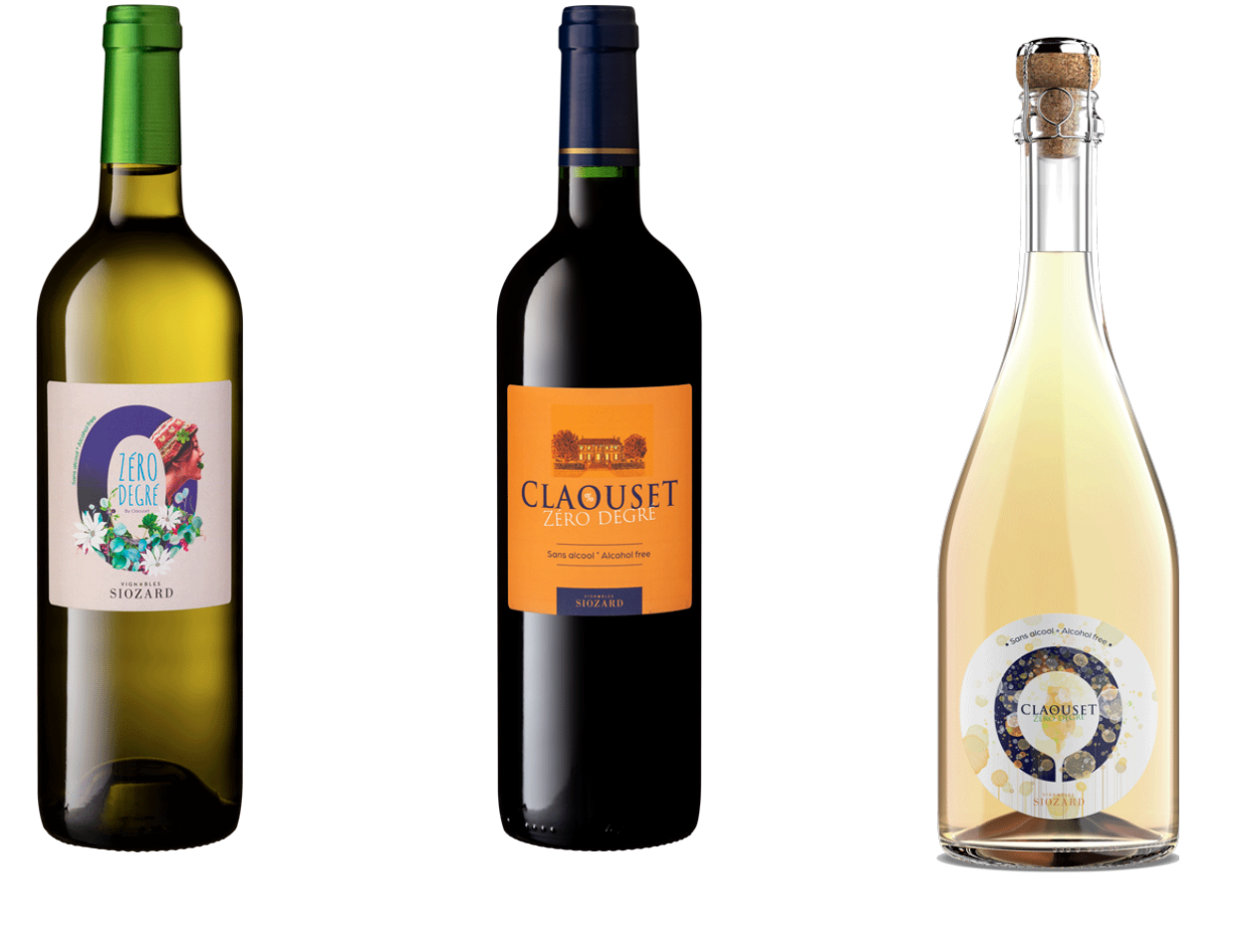
Brothers Laurent et David Siozard are 6th generation producers across several Bordeaux appellations including Entre deux Mers, Sauternes, Barsac and Graves. Their NoLo wines are fromChateau Claousetin the Entre deux Mers. Terra Vitis since 2016 and organic since 2023, they already produce a wide range of red, white, rosé, and IGP wines including single varietal and an orange wine. Their zero alcohol offering in white, red and sparkling is another string to their bow. The still white, with a cool label, is 100% Sémillon, the red 100% Merlot as is the sparkling Fines Bulles Blanc de Noirs.
Left bank
There’s NoLo on the left bank too, Nathalie and Julien Meyre are the 6th generation ofVignobles Meyrein the Médoc including Château Cap Léon Veyrin, Cru Bourgeois, Château Bibian Cru Bourgeois Supérieur in Listrac and Chateau Julien in Haut Médoc. Alongside their traditional wines, they offer Oh là là 50% Cabernet Sauvignon and 50% Merlot grown on their Haut Médoc terroir before vacuum distillation to remove the alcohol. Their aim is to keep the spicey fruit driven signature of the Médoc even in the absence of alcohol. Probably the best of the red options we tasted.
Size matters
Les Grands Chais de France is the largest wine producer and negociant in Europe, although their head office is in Alsace, they have a large production facility in Bordeaux with several famous Bordeaux negociants names in the group. TheirNOZECOis one of the bestselling NoLo sparkling on the market now available as 20cl Nozeco minis white and rosé.
Cooperatives represent 25% of Bordeaux production. Buying the kit to remove alcohol is expensive but volumes like this can make it worthwhile.
Family first
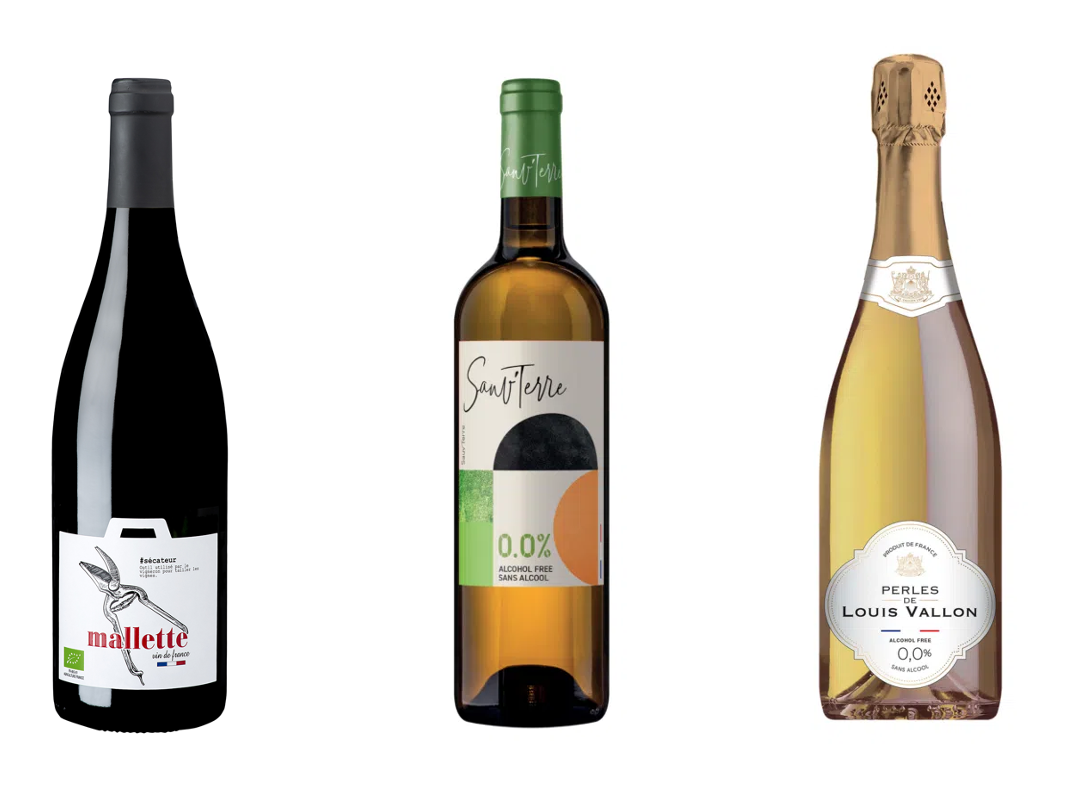
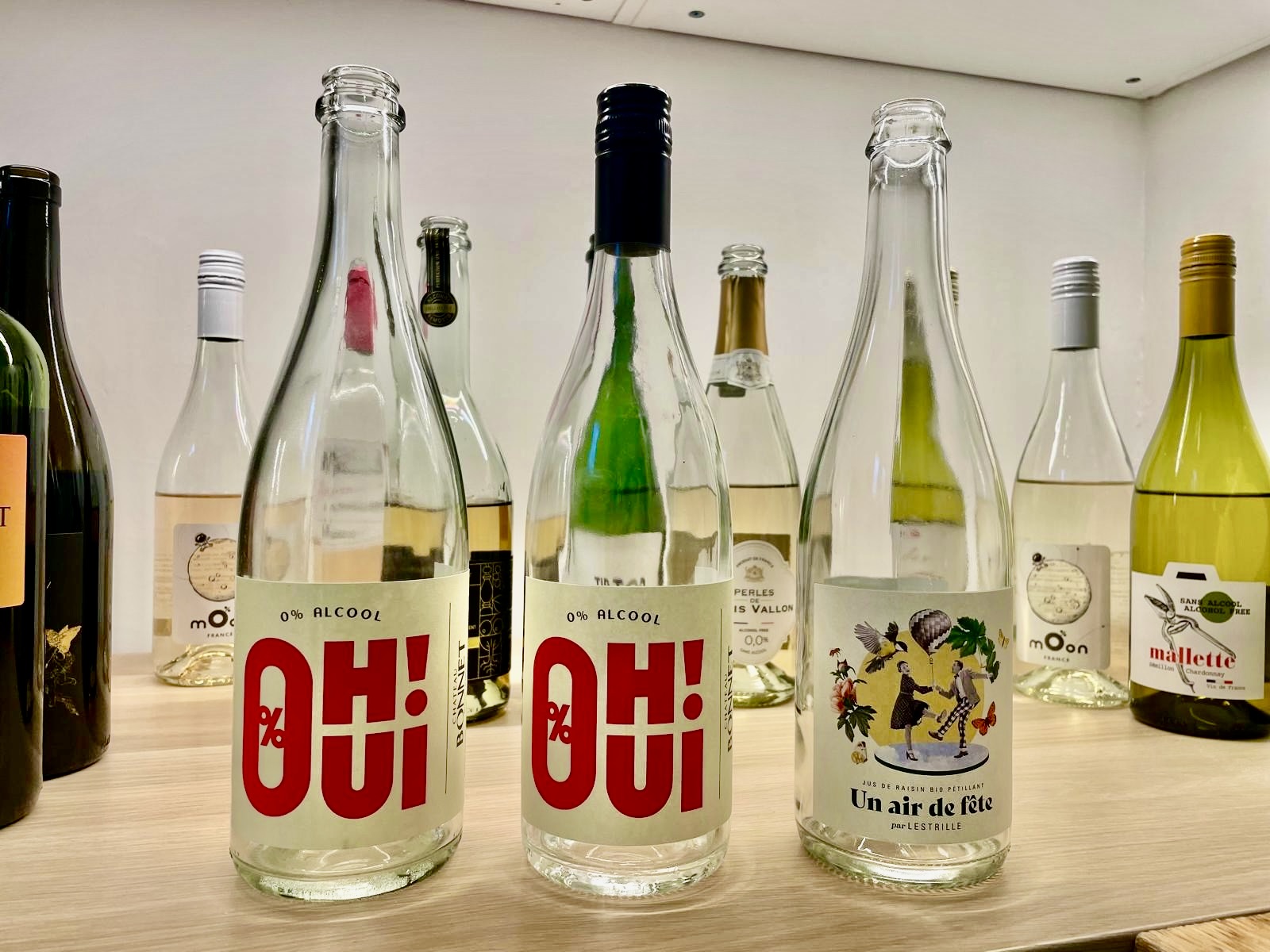
At Sauveterre de Guyenne in the Entre deux Mers, Cooperative Bordeaux Families counts 300 members cultivating over 5 000 ha of vines, a size that helped their decisions to invest 2.5 million euros in 2023 in their own dealcoholisation unit. They believe starting with an unbalanced wine and using the process of removing alcohol to bring the wine back into balance is the key to a successful dealcoholized wine. The alcohol distilled off is sold for brandy production, and the aromas are reintroduced to the final no alcohol product. This is used across their no/low range from 0° to 12° alcohol and added to classic wines if needed to reduce the level of alcohol. They produce Sauv’terre 0.0% red, white and rosé, and under the label Malette, make original organic blends of red Cabernet and Grenache, a white Semillon Chardonnay, a Sauvignon Muscadelle and a blanc de noirs from Merlot. Their sparkling range includes Zephyr white and rose and Les Perles de Louis Vallon sparkling white and rosé. Bordeaux families is already known for their innovation and range of wines designed to appeal to a younger audience. The welcome page of the web site is a bit of a giveaway. They also produce Can, a sparkling water and wine mix with natural tropical fruit aromas at 5,5% vol, an IGP at 9° and are experimenting with 6°. Their target market for the NoLo are potential wine drinkers who are currently drinking beer or sodas. Perhaps it’s a stepping stone to convert them to wine?
Les Vignerons de Tutiac is also embracing the trend with their Moon white, Rosé and red , presented in clear bottles with a cartoon label that would appela to younger soda drinkers. They represent 500 wine makers with majority under organic production.
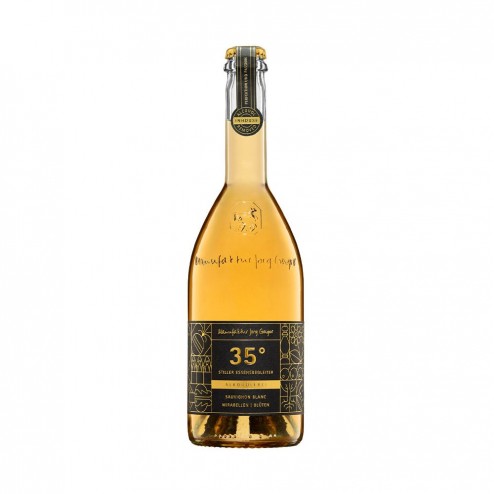
The 290 members ofLes Caves de Rauzan, with their 35 degrés are looking to offer an alternative to wine, appealing to a new market. They produced 70 000 bottles in 2023 from their 2022 vintage organic white AOC Bordeaux. The Sauvignon, Sémillon, Muscadelle blend was dealcoholised in Germany and then natural redcurrant, pear and plum aromas were added making a very different and slightly odd product compared to the others on the market. Definitely destined for soda drinkers.
And if we just don’t ferment?
Not everyone is on board with the trend. Some producers argue that dealcoholisation is costly, inefficient, environmentally unfriendly and the resulting product often needs additives including sugar to make it palatable and pasteurising to protect against contamination.
A different approach is being championed in the Entre deux Mers, the philosophy is if you don’t put alcohol in you don’t need to take it out. This offers a more environmentally friendly less energy consuming alcohol free option, made from estate grapes grown with the same care as those destined for wine making. It’s an adult evolution of the grape juice often offered by properties to children accompanying parents on a wine tasting.
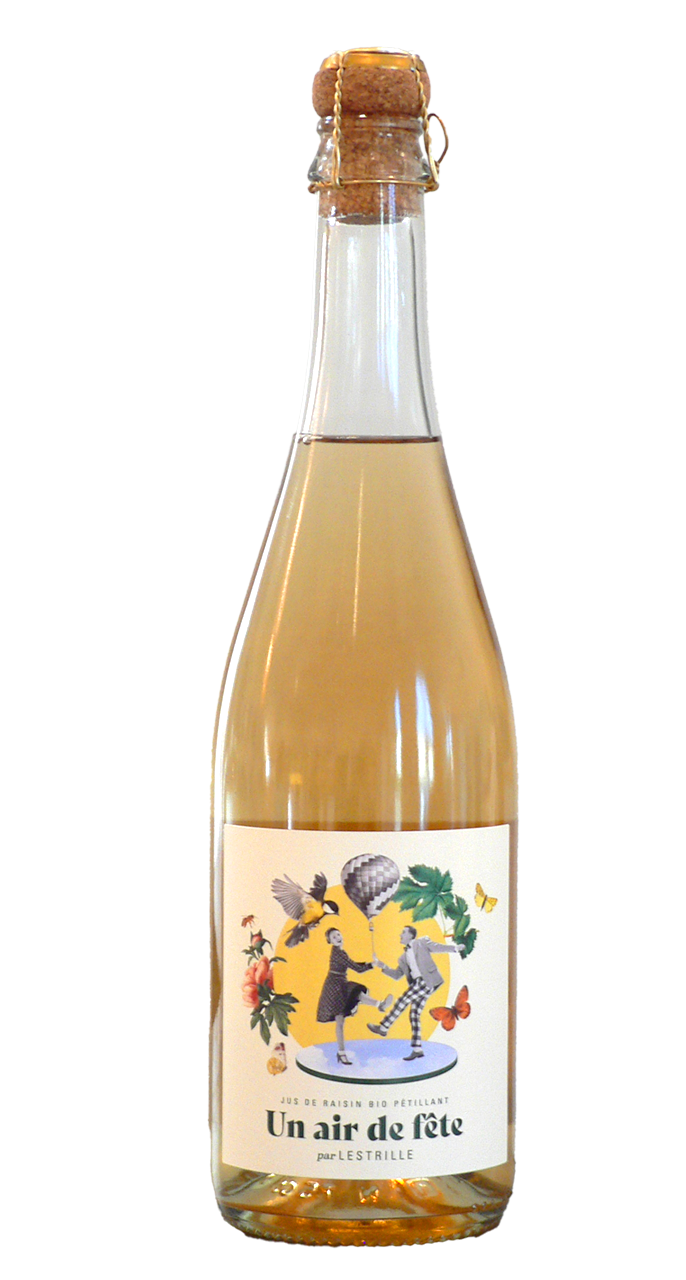
There’s an“Air de Fete”at Chateau Lestrillewhere owner wine maker Estelle Roumage offers the no alcohol option of a sparkling grape juice from hand harvested 100% organic Muscadelle. There’s no added sulphites or additives and Estelle knows all about Sparkling Muscadelle, it’s a variety she uses in her Crémant. She questions why you would work all year to produce a fine wine, caring for the grapes, the environment and the wine making to then change (denature) it completely by taking the alcohol out? It’s hard to argue with her or with her delicious and light sparkling juice that is closer to a wine than a traditional grape juice.
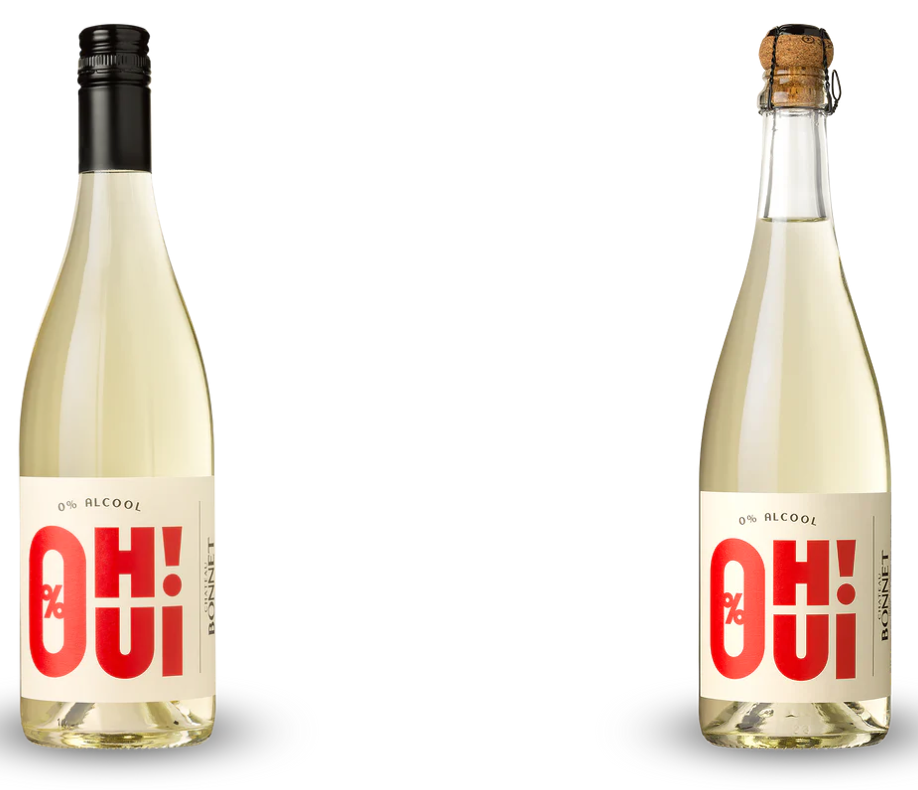
ChâteauBonnet has taken a similar path, their Oh Oui, both still and slightly sparkling, is also a non-fermented juice, 100% Sauvignon Blanc from their Entre deux Mers vines from the 2024 harvest. The grapes are picked 10-15 days earlier than wine grapes, for maximum acidity (2024 was the perfect year for a trial!) cold pressed into stainless steel for settling. The aromatic complexity of Sauvignon Blanc, even in slightly under ripe grapes, lends itself perfectly to this juice. The acidity and sugar are both natural. The sparkle come from adding CO2 at the point of bottling in house. Fans of Elderflower cordial will love this.
Juicy fruit
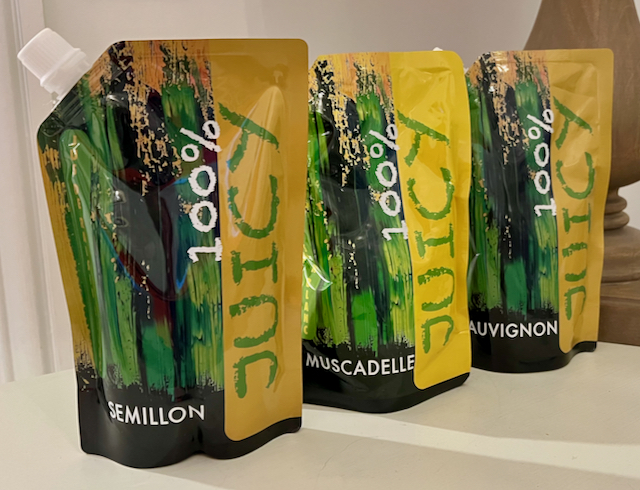
Dawn Cooper Jones, who makes organic white wines on the edge of the Entre deux Mers at Château de Monfaucon, also produces single varietal ‘Juicy’ 100% Muscadelle, Sauvignon and Semillon grape juice served in practical pouches that are naturally sweet but perfect diluted over ice or with sparkling water.
So, what did we think?
I work on the principal of if you have nothing good to say shut up, so I’m not going to bad mouth any of the wines. Although the majority were not wine like, some were palatable. There were some cidery/kombucha/vinegary aromas, and flavours. Watery mouth feel was an issue. Some were awful, some were pleasant drinks, they just weren’t wine. The favourites across the tasters were the non-fermented fruit juices. They were balanced, refreshing and aromatic. Perhaps because they weren’t trying to be wine?
What’s in a name?
Do we need to manage consumer expectations with a different name for no alcohol wine? Not everyone buying these wines is looking for an exact replica of a wine experience but for an alternative. Some of the producers are clear that this is the market they are aiming for and it shows in their fun labels and names that clearly target a young and non traditional market. The dynamism reflects well on the producers in a wine market that is tough right now. Can these NoLo be part of a survival strategy in an increasingly competitive market place?
Investment in NoLo wine is increasing, there’s a curiosity around the product. I respect the effort, experimentation and investment wine makers are putting into this and I was impressed that the innovation is dominated by small producers. Many are already innovative either in their approach to grape growing and wine making, committed to sustainable production and are expanding their range beyond classic Bordeaux with IGP, Pet Nat, cans BIBs. I take my hat off to these producers innovating their way into new markets, embracing new, non-traditional drinkers and offering alternatives to existing clients. I wish them luck.
For the moment, I’ll be staying with the option of moderation, drinking reasonable amounts of fine wine putting onto practice the tips and tricks in The Drinking Woman’s Diet, perhaps with a glass of bright sparkling grape juice when I’m driving home.
The truth of the tasting is in the bottles – the empties give away the tasters favorites
If you’re in Bordeaux and want to try these wines and others from further afield I recommend the Belles Grappes shop,17 rue père de Jabrun near Pey Berland in down town Bordeaux.
In 2016, the opening ofThe Cité du Vin, a unique cultural and viticultural space on the banks of the Garonne river, marked a turning point for the waterfront of Bordeaux. It created the impetus behind a smart cultural cluster in what was once the historical industrial beating heart of Bordeaux. Cultural initiatives that led to Bordeaux being named Capitale Européenne du Tourisme Intelligent in 2022.
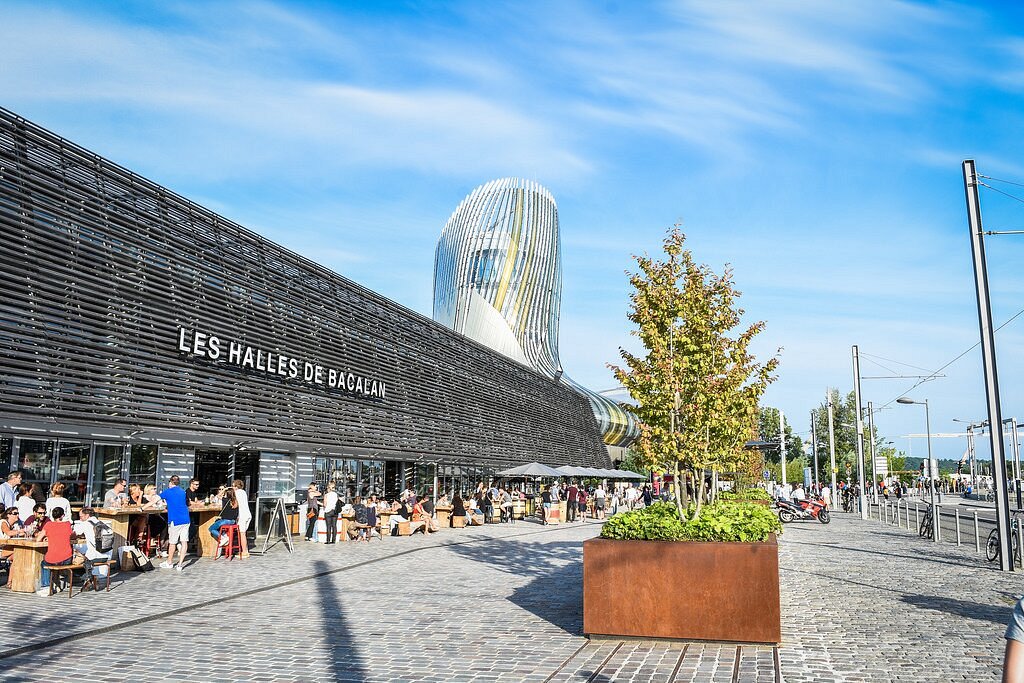
Situated just to the north of the Quai de Chartrons, the historic centre of the Bordeaux wine trade, the Cité du Vin dominates the Bacalan docks. It acts as a punctuation between the industrial heritage of the city, and the elegant waterfront architecture Bordeaux is so famous for.
Bassin à Flots – a melting port
The Quai de Bacalan guards the entrance to the Bassins à Flot, 13 ha of water within the city. In the 19th century, these ‘Bassins’ welcomed ships from around the world, to load and unload cargo but also as a dry dock for boat repairs and building.
The docks are now in the shadow of the U boat pens, built in the 1940s under German occupation and left standing at the end of the WWII. Until recently, this area of Bordeaux was considered a little shady, now it’s unique atmosphere has become hip and cosmopolitan.
La Cite du Vinre-opened this February with a new interactive and multimedia exhibition that takes visitors around the world of wine and vine, from Antiquity to the present day, across five continents and in eight languages. A Bordeaux 360° workshop is a virtual voyage across the Gironde tasting from an oyster fisherman’s village in Arcachon to a chic Bordeaux rooftop as well as across the vineyards of the Medoc and Saint Emilion. It’s an invitation to discover the region.
Whereas The Via Sensoria uses light, images, video and sound to marry the virtual and real world, inviting guests to engage all their senses as they move through four immersive, dreamlike worlds, each accompanied by a real tasting. Throughout the year, tastings, events, cinema nights, workshops, boutiques and restaurants keep visitors firmly grounded in the real world of wine and gastronomy.
Sky High
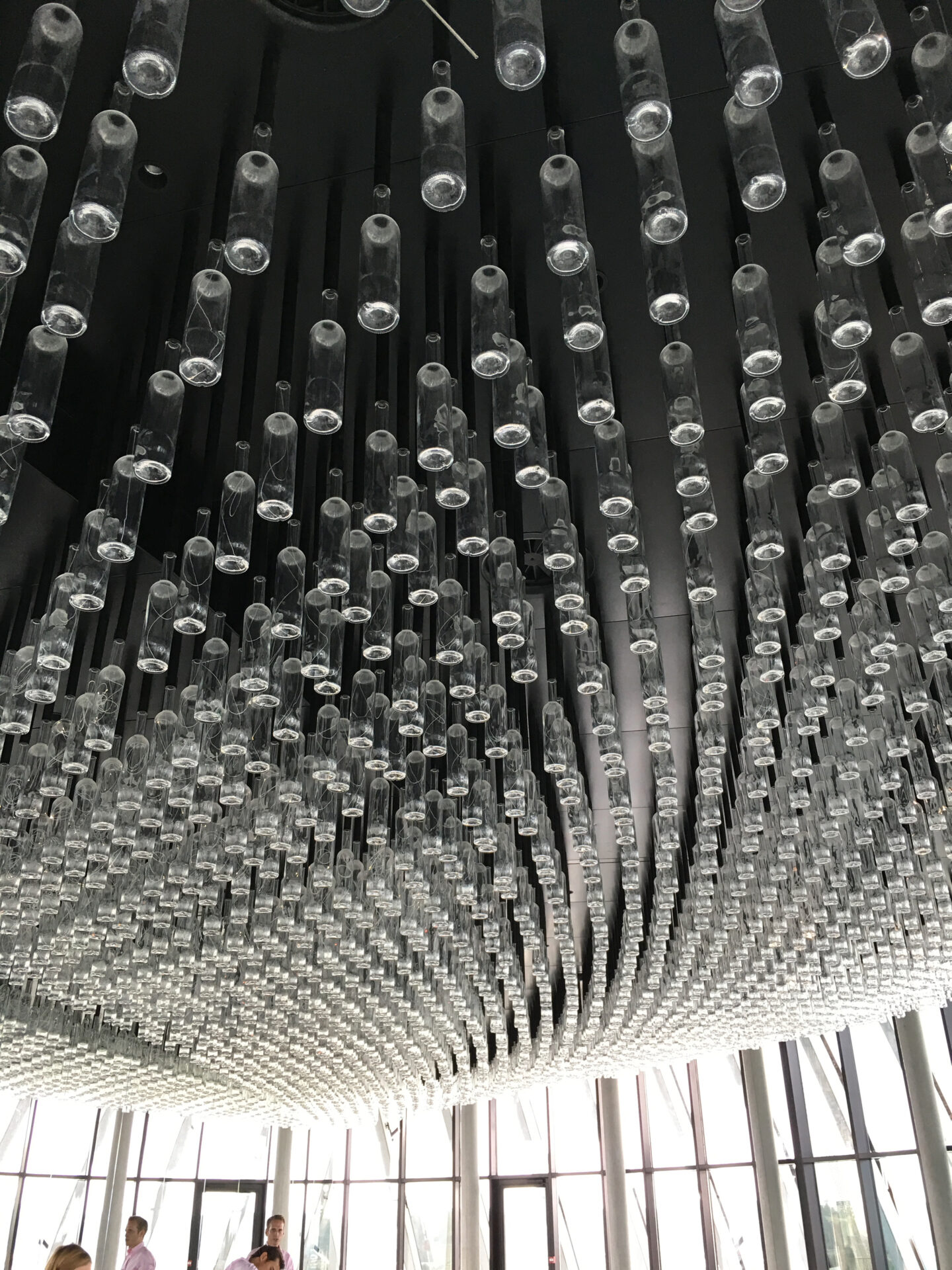
Visits finish in the Belvedere, 8floors and 35 metres up with a glass of wine chosen from a selection of 20 wines from around the world, served under a monumental ‘chandelier ‘made from thousands of wine bottles.
The view of the eclectic skyline with old grain silos and historic buildings to stunning new architecture shows how the Cite du Vin is at the heart of this newly vibrant part of the city.
Food and wine
In 2017, the covered market, Les Halles de Bacalan opened its doors, just across from the Cité. They have recreated the spirit of the traditional local market. 22 different producers, bars, restaurants and tasting counters welcome hungry and thirsty visitors. It’s a unique and convivial way to discover all the gastronomic specialties the region has to offer.
The Halles du Bacalan Market
Let there be light
In spring 2020 Les Bassins des Lumieres, the world’s largest numeric art centre, opened in the WWII U boat pens. 19 months of transformational work brought light and life to this sinister vestige of the war, creating beautiful and dreamlike experiences. Thanks to 90 projectors, iconic works of art are reflected off 12000m² of walls and the water of four 110m bays. In its first year of opening the centre welcomed over 500 000 visitors. This year the art of Salvador Dali and the architecture of Antonio Gaudi take centre stage to a sound track of Pink Floyd. Surreal.
In June 2022, just along the docks, The Musée Mer Marine, opened its doors share thousands of treasures from private collections. The interactive exhibition takes visitors through the cultural and natural history of the oceans. The ultra-modern architecture takes the visitor back through the 19th century history of the port of Bordeaux to its Roman origins. Discovering the exploration, mystery, challenges and fragile beauty of our oceans through photos and art.
Musée de la Mer Marine
The Bassins à Flots and all it has to offer is just a short tram or boat ride from the centre of Bordeaux. Or stroll or cycle along the board-walk that now runs along the Garonne waterfront, past old warehouses now home to shops restaurants and exhibition centres. It reconnects Bordeaux to its port history and the river that it had turned its back on for so many years.
Happy Birthday
It’s not only for visitors. New residential buildings run along the old docks and a vibrant night life is hosted in old and new buildings. The Cite du Vin celebrated its 7th birthday this June bringing together all the present day diversity of the Bassin des Flots, the beating heart of the city.
In previous posts about sustainability, I’ve mentioned recycling or upcycling, mainly around packaging, but what about winery by-products?
The principal by-product from wine making is pomace. Pomace or marc is the solid matter that remains after fermentation once the must has been pressed and the wine removed. It’s made up of skins and pips, some pulp, stems (not often in Bordeaux) and yeast residue. There may be a tiny amount of sugar and alcohol too. Wander around Bordeaux vineyards in a couple of months and you’ll see it stacked up outside wineries.
Pressed pomace
Nothing is wasted
Historically, this solid material would have been watered down, pressed again and the juice refermented to make a low grade wine, often given to vineyard workers. At Château Lynch Bagesyou can still see the original gadget used to break up the hard pomace to allow it to be pressed again, in their historic cellars, now preserved as a museum next to the brand new winery.
How it used to be – In the Chateau Lynch Bages museum
Today, this pomace (along with heavy lees) is recuperated by the French government. Producers are obliged to give this to the local distilleries as a form of taxation but also to ensure no illegal distillation of the remains.
Fermentation
Traditionally this residue was distilled to make Marc de Bordeaux, the local equivalent of Italian Grappa. It’s pretty rare to find Marc de Bordeaux now. Last time I saw some was small bottles made by Château Mouton Rothschild as a gift to guests at a Fete de la Fleur.
Marc is not to be confused with La Fine Bordeaux, a product that goes back at least to the end of the 19thcentury. Since 2013 this Fine de Bordeaux is a closely controlled IPG (Indication Géographique Protégée) made uniquely from appellation Bordeaux wine fermented from Sémillon, Ugni Blanc, Colombard Blanc and more rarely Merlot Blanc. It is double distilled to a minimum of 40 degrees in the region before end March following the harvest and then aged in oak barrels for a minimum of one year.
Back to pomace. The solids, with all the alcohol removed, can be composted and used as a great source of nitrogen, phosphorus and potassium in the vineyards. Thanks to a high level of fibre, I’m told it can also be used as cattle feed which conjures images of drunken cows staggering around farmers’ fields.
The seeds are also a source of grape seed oil, valued in cooking thanks to its high smoke point. But there are other innovative and profitable ways of upcycling this raw material.
Beautiful
The red pigment from the skins can used as a colouring, often in cosmetics but the most famous Bordeaux success story for upcycling pomace in cosmetics is Caudalie. Pomace has a high content of bioactive molecules; phenolic compounds known for their antioxidant and antiaging properties, the most famous is resveratrol.
Now a highly successful, international cosmetics company, Caudalie saw the light of day amongst the vines of Château Smith Haut Lafitte in Pessac Léognan. 23 years ago, Mathilde, the eldest daughter of owners Daniel and Florence Cathiard, met Professeur Joseph Vercauteren, now Professor of Pharmacognosy (no me neither) at Montpellier University.
From grape skin to beautiful skin
Then, at the pharmacy department of Bordeaux university, he sowed the seeds, (sorry) that these important anti-oxidant molecules shouldn’t be wasted. Working together to isolate and stabilize these molecules, they created three original cosmetic products (still available) and Caudalie was born. A complete range of products are now distributed worldwide including at their Caudalie Spas. If you follow this blog, you’ll already know I’m a fan.
The Caudalie Spa in Bordeaux
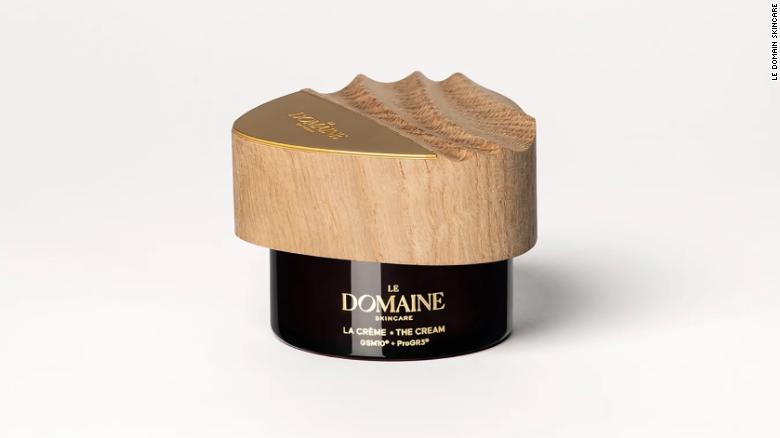
Brad Pitt has now joined the beauty from wine trend. Working with Professor Pierre-Louis Teissedre from Bordeaux University they have created skin care brand Le Domaine extracting active ingredients using pips and skins from his Provence winery Miraval. Even the caps on the bottles are from upcycled oak from winery barrels.
Le Domain, even the cap is upcycled from oak barrels
Sneakey
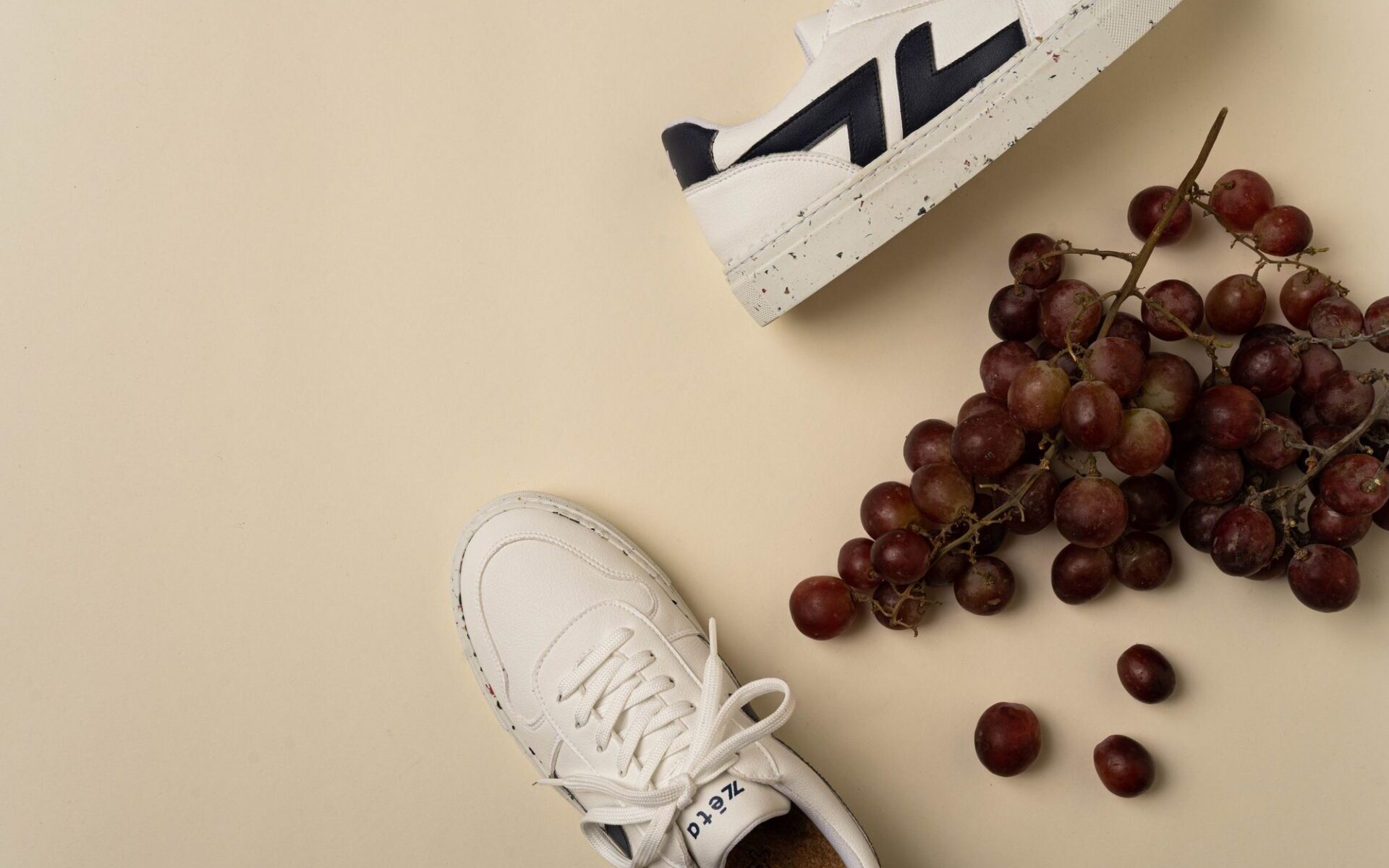
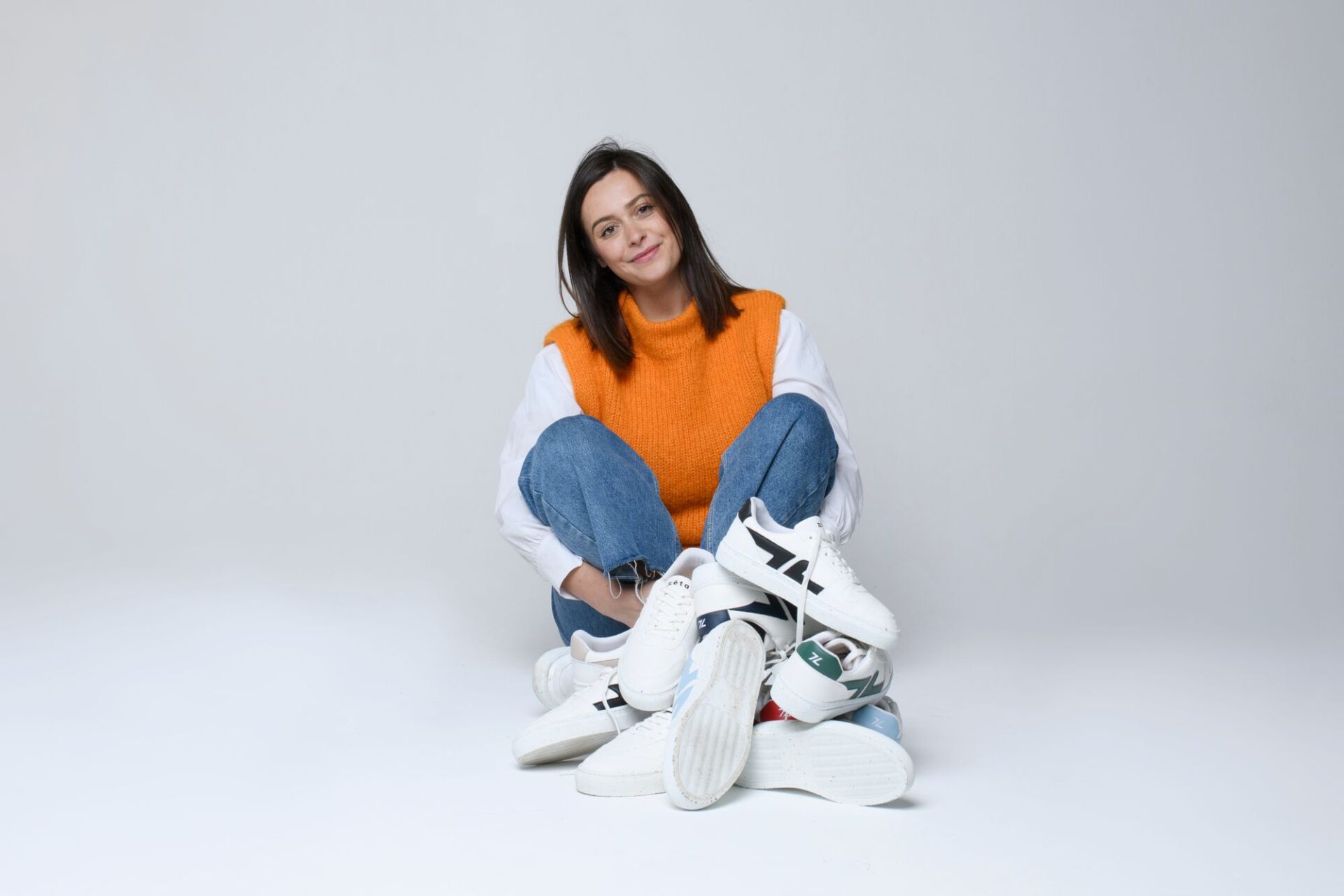
Laure Babin created Zéta in 2020, when she was shocked to discover that 70% of the world’s sneakers were produced in Asia, using polluting materials with little or no transparency or regard for the social and environmental issues.
Laure Babin and her sneakers
She wanted to create an alternative, one that went further than just using natural or organic raw materials. She wanted to create a circular economy, using local waste, otherwise discarded. Sneakers that are not only made from recycled material but are also vegan and recyclable.
Working towards transparency, she partnered with the Ovar workshop in Portugal, a family company dating back to 1993 employing 23 craftsmen and women. Everything she uses, from the raw material to transport and packaging, is shared, as she aims to stick to her zero waste objective.
Green sneakers
Her first line were the Alpha sneakers, made from pomace. The ground pomace is mixed with vegetable oil to create a paste that is dyed and pressed and becomes like leather which can be sewn. Each pair uses three kilos of waste, including plastic fished out of the Mediterranean and recycled cork. Launched in 2020 thanks to a crowd funding campaign, they sold 2700 pairs in one month. Now, she has diversified the range to include a ‘Velcro’ model using maize and Re:Ground from used Nespresso coffee grounds.
Both Zeta and Caudalie are part of 1% for the planet organization. Putting their money where their mouth is.
Wine Leather
We’ve seen leather is a challenging product, as well as it’s animal origin there are concerns about the chemicals used in the tanning process. Plastic is not an environmentally friendly alternative for vegans, as well as using petrochemicals there is also the shedding of microfibers to consider.
Plant leathers are now made from everything from mushrooms to algae and are being used in luxury goods. Stella McCartney was a pioneer, claiming her vegan Mylo™ ‘leather’ has an environmental impact up to 24 times lower than animal leathers.
Bordeaux start-up Mondin is aiming at this luxury market, developing a leather like bioplastic material from local wine pomace and hoping the Bordeaux origin will add a touch of French chic. Their product is currently 77% vegetal, and they are working to bring the percentage up. Created by Rodolphe Mondin and Julien Houssiaux, they were inspired when they saw piles of pomace whilst on a vineyard internship.
Incubation
Mondin is one of the start-ups sponsored by the Bernard Magrez Start-Up Win. This innovation incubator is based at the Relais Pape Clement at Chateau de Sartre in Pessac Léognan. Created in 2021 it is open uniquely to wine based projects offering innovators both an ideal environment as well as technical, business and financial support to kick start their ideas.
Check out some of the other products and ideas, there’s a lot of innovation in the Bordeaux pipeline.
Please sign up here to receive future blog posts delivered directly to your inbox.
There’s more to Bordeaux than wine, there’s food! Bordeaux gastronomy is usually linked to wine, recommending food and wine matches.
But if you want a taste of Bordeaux without wine (a strange idea for most of you I know, here are some suggestions.
Water into wine
Instead of wine there’s always water. If you have read The Drinking Woman’s Diet you’ll know the importance I attach to drinking enough water every day. Bordeaux has its own mineral water.
The Abatilles spring in Arcachon was discovered in the 1920s, when the owners were looking for oil! Then famous for its health properties, it was purchased by Jean Merlaut of Le Taillan wine group in 2013 and has since gone from strength to strength. You’ll see it served on most Bordeaux tables, it’s easily recognizable by the shape of the bottle that bears a striking resemblance to a Bordeaux wine bottle!
Still and sparkling Abatilles in their Bordeaux shaped bottles
Tea time.
There are several ‘Thés de Bordeaux’ blends, my favourite is made by the team at The Noisettines du Médoc, a Médoc speciality of caramelised hazel nuts. The tea is totally Medocaine, bended with pine needles, vine leaves, heather and acacia flowers, all emblematic flora of the Medoc Peninsula. Light and floral it goes particularly well with the Noisettines.
Since January last year, Simon Verger from the two Michelin star restaurant Haaitza in nearby Pyla and coffee specialist Yoann Bride from the Brûlerie Comtoise in the Jura, have been working with Laure de Lambert of Château Sigalas Rabaudin Sauternes to create a unique coffee.
Raw or green coffee beans are aged for nine months in barrels that previously held the classified growth Sauternes. The barrels are regularly rolled to impregnate the grains with the floral and citrus notes of the wine, before being roasted. The coffee is available as grains or in bio degradable pods. It smells amazing and is really smooth.
You can smell the Sauternes in the Chateau Sigalas Rabaud coffee beans
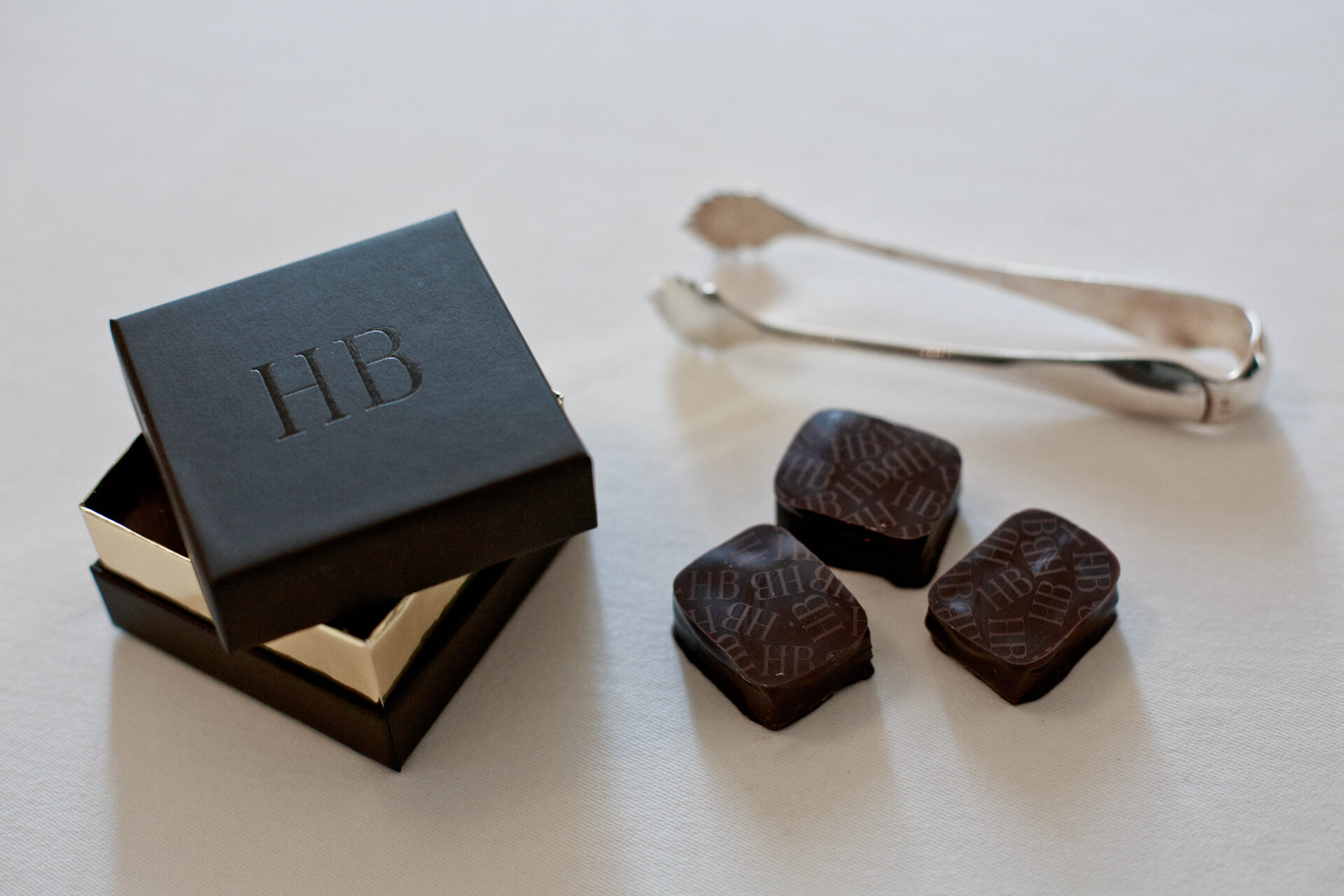
Coffee and chocolate is the perfect pairing, and Bordeaux is spoilt for choice with chocolate. There are well established ‘heritage brands’ such as Cadiot Badie started in 1826 and Saunion since 1893 who also make the delicious chocolates created specifically for Château Haut Bailly to match with their wines.
Made to measure, Château Haut Bailly chocolates from Saunion
The most emblematic are the chocolates made in Medoc – Mademoiselle Margaux, made in the appellation and famous for their ‘sarment de vines’ flavoured chocolates in the shape of vine clippings.
The most original are the wine flavoured chocolate ganache made by Hasnaâ. Working with local chateaux, she has created a range of chocolates using wines from both right and left bank vineyards. The names of the chateau are clearly indicated on each chocolate which makes for a very different comparative tasting experience. You’ll also find her chocolates at lots of different chateaux for wine and chocolate tastings.
Appellation Chocolates from Haznaâ
Sweet treats.
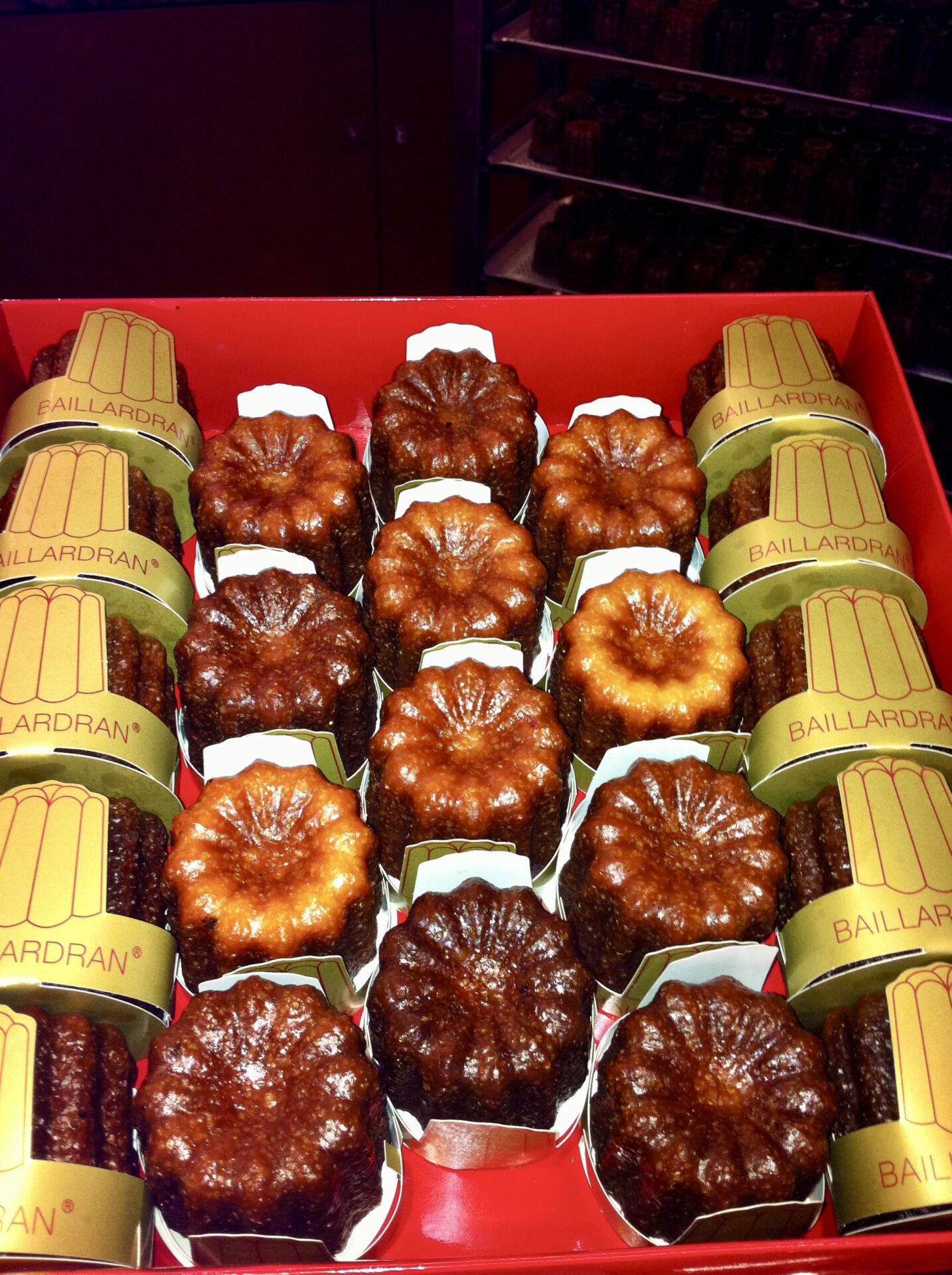
Canelés are a Bordeaux classic, these little caramelised cakes have a history going back to the 18thcentury. Egg whites are traditionally used for fining the wines of Bordeaux, and up until the 20thcentury, this was mainly done at the port of Bordeaux, on the Quai des Chartrons, where Bordeaux wine merchants had their ageing cellars. The story is left over egg yolks were collected from the merchants by nuns from the local convent and combined with flour, sugar, vanilla and rum (products common in the port of Bordeaux) to make nourishing cakes to give to the poor.
They take their name from the crenelated copper moulds that make them crunchy on the outside and soft on the inside. Many restaurants bake their own to serve with coffee, the biggest supplier isBaillardan, specialising in canelés since 1988, they also sell them on line.
Canelés de Baillardran
Religious experience
Another emblematic cake is the macaron of Saint Emilion. Very different from the trendy multi-coloured French macarons, more ‘rustic’ perhaps but for me simply delicious.
The best ones are baked fresh everyday by Nadia Fermigier, who uses the original recipe of eggs, almonds (sweet and bitter) and sugar created in 1620, by the Ursuline Nuns. Baked on to sheets of paper, they’re packaged in easily recognisable boxes of 24 or 48. They say you can keep them in the fridge for up to 15 days, not in my house!
Delicious Macarons de Saint Emilion
Dunes blanches.taking their name from the nearby dune du Pyla, the largest sand dune in Europe, Dunes Blanches are choux pastry puffs filled with whipped cream and sprinkled with icing sugar. Lighter than Canelés they were created in 2007 by Brice Lucas, the son of Cap Ferret baker Pascal and are now available in town , via local delivery, as well as on the beach.
Dunes blanches, they’re really light honest !
Bee biodiverse
Many châteaux have beehives in their vineyards, introduced to improve or maintain the biodiversity of the properties. Chateau Lagrange, Château Carbonnieux, and Château Dauzac are among many with hives amongst the vines.
Bee hives at Château Lagrange
The owner ofChâteau Rabaud Promis in Sauternes is such a passionate beekeeper he has designed his new bottle to reflect his love of bees.
At Château Dauzac you can join a workshop with the beekeeper to learn about the life of a beehive and who will let you help harvest the honey and leave with a jar of freshly extracted Dauzac honey.
Bee happy at Château Dauzac
Hungry yet? If I’ve missed one of your favourite Bordeaux treats let me know and I’ll give it a try and report back.
Want to read more? If you have enjoyed this post please sign up here to receive future blog posts directly to your inbox. If you would like to learn more about Bordeaux, you can buy your copy of Bordeaux Bootcamp here, to learn more about Wine and Wellness, you can buy your copy of The Drinking Woman’s Diet here.
Bordeaux Bootcamp was written as a basic introduction to the area and a preparation for a Bordeaux wine tour. I give it to clients as homework before they join me for a Bordeaux wine tour. It’s a quick easy read, but perhaps it whets your appetite to learn more about the region and the diversity of wines it offers. Chances are it’ll be a while before you next visit Bordeaux, so if you do want to learn more, I have the answer for you.
It’s an impressive tome, over 700 pages with 29 photos and 58 full-colour highly detailed maps, including six sections of very cool fold-out maps. It is not all theory, but is full of insights that you only get from living here, as Jane has for 17 years. She knows the region, its wines and more importantly its wine makers, intimately.
She is passionate about terroir and their microclimates, a subject easily lost in an image of Bordeaux associated with expensive wines, iconic names and classifications. There’s a lot of variation in terroir across Bordeaux due to its size, but also within the appellations themselves. Jane delves deep into this subject helped by the new maps, created with experts led by Cornelis van Leeuwen of Bordeaux’s Vine and Wine Science University.
Classic Bordeaux terroir?
Inside Bordeaux is not just theory; her experience of tasting across the appellations and vintages makes this an accessible and useable guide. It’s not only about the big guns. You’ll discover underrated properties and wine makers. She explains why particular wines taste the way they do and much more. It’s an essential read if you want to understand the world’s most famous wine region and the perfect book if you want to put this newfound down-time to good use.
Inside Bordeaux is published by London wine merchant Berry Brothers and Rudd, who are as well known for their excellent wine school as for their range of wines.
It is a beautiful book, just having it on your coffee table will make you feel like a Bordeaux insider and will help you work up a thirst for some of the Bordeaux wines she writes about so knowledgeably.
If you have enjoyed this post please sign up here to receive future blog posts directly to your in box. If you would like to learn more about Wine and Wellness, buy your copy of The Drinking Woman’s Diet here and to learn more about Bordeaux, buy your copy of Bordeaux Bootcamp here.
Having established himself as a pioneer of Argentinian Malbec, Hervé Joyaux, Red Winemaker of the Year 2018, has now focused his sights on the origins of Malbec in Cahors.
In the 1990s, Hervé Joyaux moved from Bordeaux to Argentina, taking with him his old world wine expertise and inspiration. After more than 20 years, he has created an internationally recognised range of wines under the Fabre Montmayou and Vinalba labels from both Mendoza and Patagonia. His role as a Malbec pioneer in Argentina was recognised this year when the International Wine Challenge awarded him the title Red Winemaker of the Year for his outstanding work and his championing of Malbec both in Argentina and on the global stage since the early 1990’s.
Malbec is now considered as the emblematic grape of Argentina, but this was not always the case. When Hervé first visited Argentina in 1990, just 10,000 hectares were planted with Malbec. By 2017 this had risen to 41,000 hectares, over a third of Argentina’s planted red grape varieties.
Hervé immediately saw the potential of older plots of Malbec in the Lujan de Coye and Valle de Uco and purchased some of Argentina’s oldest Malbec vineyards here (planted in 1908). He built his first winery, Fabre Montmayou, in Vistalba, Luján de Cuyo in 1992, surrounded by the very first 15 hectares he purchased. They have now planted more vineyards in the Gualtallary area of the Valley de Uco region and source exclusively old-vine vineyards in the best wine growing areas of Mendoza for Fabre Montmayou.
Fabre Montmayou was the first winery to launch a high-end Malbec on the American market. Hervé’s wife, Diane, joined the team in 1997 and her passion for wine and her marketing skills have developed sales all over the world, creating a sound reputation for their wines.
Their adventures have taken them to Patagonia, on the southern point region of South America, where their vineyards lie between the Andes Mountains and the Atlantic Ocean in the Alto Valle of the Río Negro area. At latitude of 39 degrees south, the climate is similar to the Northern Rhône, giving wines with a very complimentary style to Mendoza.
Today, the vineyards of Fabre Montmayou extend over 450 hectares, across Mendoza and Patagonia.
When Hervé and Diane decided to invest back in France, this passion for the expression of Malbec across different terroirs led them back to Cahors, the origin of the Malbec grape. In 2017, They became the new owners of the Vignobles Saint Didier Parnac, Château de Grézels and the Prieuré de Cénac offering them access to the range of some of the best terroir Cahors has to offer.
It is a very different challenge to Argentina, the climate, the terroir and the elevation, but it was this diversityof terroir that seduced them.
The challenge was all the more painful due to the inclement weather of 2017 where frosts destroyed a large part of their production. The 2018 now in the cellars is looking great, the dryer climate here meant mildew was less of an issue than in nearby Bordeaux and Bergerac.
The 2016 wines are Hervé’s first expression of Malbec in Cahors, where he was able to work with the specificities each soil gives to the Malbec, creating blends across his range. There is so much more to the notion of blend than simply bringing together different grape varieties. Here the different expressions that the diverse terroirs bring to a single variety are blended to create the wines.
Hervé simplified the soils into three main types for me: Le Cause is a high limestone plateau from the Jurassic period, with steep slopes rising from 250 to 350 metres above sea level (a bit different from Valley de Uco!).
A valley, where the Lot River has deposited alluvium material as it meandered across the valley floor, surrounds this plateau. Between the two are a series of terraces on the slopes.
For such a successful wine maker Hervé remains very humble, he has worked closely with local wine makers to understand the interaction of the local weather and this diverse terroir so very different to Argentina.
Investment across these three emblematic terroirs of the region allow Hervé to create a range of wines, that are 100% Malbec, each a different expression of their terroir. Château Saint-Didier Parnac is located in the valley, Prieuré de Parnaclocated on the hills of the Cause and Château de Grézels located in both the valley and on the Cause.
Le Prieuré de Cénac
The vines high up around the Prieuré de Cénac.
Visiting The Prieuré de Cénac, I immediately saw why Diane and Hervé fell in love with it. This is the highest of their vineyards, on a limestone promontory, 300m above sea level, with 360° views over the surrounding vines. It is unique and takes some getting to. Originally a priory where the monks lived, they certainly chose the right place to get away from it all. The wines of Le Prieuré are the flagship wines of Hervé’s Cahors collection.
The range of wines from Le Prieuré de Cénac
The balance of fresh fruit and power is the signature of all the wines including the Prieuré de Cénac and the second wine la Mission de Picpus.
The spectacular 11th century cellars under the Prieuré
The beautiful under ground cellar dating from the late 18th century, is a witness to the age of the site as is the Virgin Mary statue in its grotto at the crossroads of the Saint Jacques de Compostella route. This grotto is the inspiration for the name of their top cuvee, La Vierge de Cénac. At once an elegant yet powerful 100% Malbec, it is made from a specific plot where the presence of iron and manganese in the clay topsoil give a mineral freshness to the power of the Malbec.
The vines of the Chateau de Grézels are around the fortress that gives them their name.
Chateau de Grézels is a medieval fortress high above the Prayssac River that takes it’s name from the Gréze. This old Occitan word describes the eroded pieces of limestone from the Cause plateau that have formed cones of limestone screeat the foot of the slopes. They cover the third terrace and are the deepest and best-drained soils of Cahors. Hervé is very excited by this Gréze as some of the most famous wines in the world come from this type of soil. It gives finesse to Malbec, whereas the clay-sand soils nearer the river give fruit and power. The vineyard surrounding the chateau also has plots ofland in the valley and on the Cause, where the red soils show the presence of iron. Some of these plots are ancient vineyards that were overrun by forest after the phylloxera crisis, and only returned to vines in the 1980s, as part of the on-going renewal of Cahors. When I was there Hervé was putting the finishing touches to the brand new cellar at Grézels fr the 2018 harvest.
The Château Saint-Didier sits in a meander of the River Lot, where the wide valley is covered with vineyards descending gently from the Cause to the river. Here the soil of the first terraceis made up of fertile alluviums, silty sands that give light and fruity wines. Just five meters higher is the second terrace; a limestone subsoil where the pebbles mixed with clay give the wine structure and depth. Higher still, the third terrace is stony and well drained with deeper clay where the fruit ripens easily giving density and definition to the wines.
Morning mist over the Lot River, behind the cellars of Château Saint Didier.
The wines from Château Saint-Didier are made from a selection of plots across all three terraces. Here it is blending terroir he is blending, not varietals, to gain the elegance and complexity he is looking for.
Château Saint-Didier is also where the winemaking currently takes place for Prieuré de Cénac and the wines from the Latis and Calos brands, made in their dedicated cellar there too. The beautiful vaulted cellars of Saint Didier, built in about 1760 offer ideal barrel ageing conditions for the wines.
The aging cellars of Château Saint didier.
The latest creation of Vignobles Saint Didier is Calos, a local name for the terroir of gravel on the slopes of the plateau. Hervé has selected plots from their vineyards along the terraces that give the best expression to the Malbec – these wines are 100% of the local grape.
The labels of the Calos range are texture to highlight the importance of the terroir in the blends.
Calos offers a Reserve and Grand Reserve. The Grand reserve is bottled in a Burgundy bottle, emphasising the fact that it is a single varietal not a blend as in neighbouring Bordeaux. There has been a tension between Cahors and Bordeaux since medieval times so this is a cheeky nod towards Bordeaux, where Hervé originally hails from. The same wines are available in some markets under the name Latis, also available as a Reserve and grand reserve
Just as in Argentina and Patagonia where Hervé has a crafted a large range to expresses the diversity of terroir and climate there, his aim is to the same in Cahors. This range of styles and price points from the historic terroirs of the region allows consumers to discover and understand the diversity of the Malbec of Cahors.
His Cahors style of Malbec has finesse and minerality compared to Argentina where the consistent warmth, the cool nights and long growing season give fleshier, softer wines.
The generosity of Hervé Joyaux and his enthusiasm for Malbec, rediscovered in its home territory, shines brightly through these wines. There is a wind of change in Cahors and once again this red winemaker of the year is at the centre of an exciting wine regeneration.
If you think women in the world of the wine world is something new and/or unusual, where have you been in recent years? You might be forgiven for thinking that in such a traditional bastion of wine as Bordeaux, women in the vineyards and cellars might be more unusual that in other regions – think again. Historically, there have always been influential women on the Bordeaux wine scene, as well as many others working behind the scenes.
Some of Bordeaux’s leading vineyards are still going strong today thanks to the historical role of women. Jean de Bellon was the first owner of Chateau Haut Brion in the 16th century and it’s not only Champagne that has famous widows. As a young widow, Françoise Josephine de Sauvage d’Yquem was thrown into prison twice during the French revolution but she continued to make Château d’Yquem prosper. The Comtesse de Bournazel successfully took over the reigns of the family Chateau de Malle in Sauternes on the death of her husband, before handing it over to her son. Château Pichon Longueville Comtesse de Lalande is named after another Comtesse responsible for its success.
Properties may be handed down from fathers to daughters who continue to grow the family estates. Famously Baroness Philippine Rothschild continued and expanded her father’s work at Mouton Rothschild, Corinne Mentzelopoulos owns and runs Chateau Margaux with her daughter. More recently, Siaska Rothschild took over running Château Lafite from her father Baron Eric, and Stephanie de Bouard-Rivoal is now in charge of Chateau Angelus alongside her cousin Thierry Grenié,with Emmanuelle Fulchi their cellar master. There is nothing new about feminine power in Bordeaux wine.
Not so long ago it was unusual to see a woman working in the cellars – with an older generation of male wine makers talking about women ‘turning’ the wine – and that is still in living memory. Women are now making the wines as well as owning, running and marketing them. A few that come to mind, and not only in the top growths, are Marjolaine de Cornack at Chateau Marquis d’Alesme, Maylis De Laborderie at Chateau La Lagune, (both working with female owners), Paz Espejo at Château Lanessan and Caroline Artaud at Château Forcas Hostens. Some women are carrying on from the parents in a family vineyard, such as Estelle Roumage at Chateau Lestrille, Armelle Falcy Cruse at Château du Taillan, and I could go on.
I organized my first Women in Wine Tour in Bordeaux back in 2007, so again nothing new here, but these women, and many more, came back on my radar thanks to the recent visit here in Bordeaux of the American association Women for Wine sense (WWS). Created in 1990 by two leading Californian women in wine, Michaela Rodeno and Julie Johnson, WWS aims to increase knowledge about wine through education as a counterweight to the anti-alcohol lobby. Their premise is a better understanding of wine leads to more responsible consumption. The success of this organisation has been phenomenal; they now have a network of 10 chapters and growing throughout the US and a charitable arm that sponsors wine education for women in the industry.
I have run several Bordeaux seminars for WWS members in the US over the last year but this was their first trip to Bordeaux. With Decanter Tours it seemed only natural to concentrate on vineyards with a feminine signature, choosing properties for them to visit that were owned by, managed by or where women made the wine. I’m aware it’s sexist – but it was great fun!
We were spoilt for choice with just three days we only scratched the surface. Following their tour, I wanted to use this post to profile some of the leading women in Bordeaux but as I started looking at the long list I realised that it would take a book rather than a blog post to do them justice, so I’ll just concentrate on the women that offered us such a warm welcome and amazing hospitality during our tour.
Margaux has traditionally been considered the most feminine of all the Medoc appellations, thanks to its signature sumptuousness and velvety tannins, so it seemed like the perfect place to start. Chateau Margaux is known as the most feminine of all the 1st growths by its style as well as being owned and run by Corinne and Alexandra Mentzelopoulos. The harvest had just started when we were there, with a man at the helm; Philippe Bascules splits his wine making between Bordeaux and Napa – and was very excited about explaining the complementarity of making wines both sides of the Atlantic – he is a very busy man!
With Philippe Bascaules wine maker at Chateau Margaux above the new Pavillon Blanc cellars.
Further north, Lilian and Melanie Barton Sartorius, another mother and daughter team, are working together. As Lilian takes on more and more responsibility at the family vineyards, Leoville and Langoa Barton, her daughter Melanie, the eighth generation of the Bartons in Bordeaux and the first qualified oenologist of the family, has taken over the wine making at their new vineyard Mauvesin Barton in Moulis, purchased in 2011.
Lilian and Melanie Barton-Sartorius at Chateau Mauvesin
We also met the latest member of the family, Oona, the Parson Russell terrier puppy, who completely stole the limelight!
The newest member of the Barton family
Pascale Peyronie welcomed us to her family property Chateau Fonbadet in Pauillac. After working alongside her father for 20 years, she has stepped into his shoes to run the vineyard. Her vines are on some of the best and priciest gravel terroir in Pauillac, smack in the middle of the famous names of Chateau Mouton Rothschild, Chateau Latour, Chateau Lynch Bages, Chateau Pichon Baron and Longueville Comtesse. You can imagine that she has received some interesting offers for her vines, but she continues to produce Chateau Fonbadet as an independent Cru Bourgeois rather than succumbing to the temptation of an easier life, although she did exchange three ha of vines with Mouton Rothschild to re-organise the vineyard. When she showed us around, her 92-year-old father was still on hand to meet the ladies and help serve the wine.
Is it a characteristic for women to work more closely together? We had several examples of collaboration between neighbouring women in wine which make me think that perhaps it is.
Four properties in Margaux owned and/or managed by women have grouped together to welcome visitors into their chateaux. Well aware that chateau visits can be repetitive (vines, cellars, barrels, tasting, repeat), Lise Latrille of Château Prieuré Lichine, Nathalie Schyler of Chateau Kirwan, Marie Laure Lurton of La Tour de Bessan and Anne-Francoise Quié of Chateau Rauzan Gassies have grouped together to create a ‘Une Journée Gourmande à Margaux’. These dynamic women explained this project to us over lunch in the beautiful kitchens of Chateau Prieuré Lichine.
Ladies who lunch at Chateau Prieuré Lichine
Their idea was to create a tour where each visit concentrates on a different part of the wine process. The tour starts at Château Prieuré-Lichine, with a history of the Medoc while sipping on their white wine (yes there are some rare white wines in the Medoc even though they don’t carry the name). Then at Chateau Rauzan Gassies they explore the importance of terroir, tasting the wines from the three vineyards owned by the Quié family. Lunch at Chateau Kirwanis the opportunity to taste the wines from all four vineyards paired with regional dishes before a visit to Château La Tour Bessan to try your hand at blending, tasting your results alongside local chocolates – there’s a reason this is called a ‘Gourmande’ tour.
Nathalie Schyler of Chateau Kirwan, Lise Latrille of Château Prieure Lichine and Marie-Laure Lurton of Château La Tour Bessan.
Women do seem to be very open to developing wine tourism. I was recently asked to cover leading women winners of best of Wine Tourism awards reinforcing this impression. Chatting with Florence Cathiard at Château Smith Haut Lafite, one of the pioneers of wine tourism in the region, it was interesting to compare the European and the American approach to wine tourism. The chateau with its open door policy, new land art exhibition alongside the more traditional visits, as well as the phenomenal success her daughters have had, both with The Sources de Caudalie resort and the Caudalie cosmetics is a case study for successful wine tourism.
Talking wine tourism with Florence Cathiard at Chateau Smith Haut Lafitte
We had another experience of collaboration with the women of sweet Bordeaux. A picnic lunch in the park of Chateau de Cerons, with Caroline Peyromat and her neighbour Nicola Alison from Chateau du Seuil, was the ideal way to discover the characteristics of the tiny Cerons appellation but also to share their red and white wines from the Graves appellation.
Then on to Sauternes and Barsac for a progressive dinner, the idea was to show just how food friendly the sweet wines of Bordeaux really are. After a visit and tasting at Chateau Yquem with cellar Master Sandrine Garbay, and a look at the new in-chateau boutique, we headed down the hill to the terrace of Château Sigalas Rabaud. Here, with tapas, we tasted the range of wines made by owner wine maker Laure de Lambert including her 100% dry Sémilion (La Semillante) and a Sweet Bordeaux made with no Sulphur le 5 – quite a technical challenge.
Tasting the semillon juice at Chateau Sigalas Rabaud before fermentation
Then on to Barsac, to first growth Château Climens, for the main course served with three vintages from the property, after discovering where owner wine maker Berenice Lurton dries and prepares the herbs she uses in her biodynamic preparations.
La Tisanerie at Château Climens in Barsac
And of course dessert served at neighbour Château Coutet by Aline Baily, and we all slept soundly on the coach all the way home!
The chapel at Château Coutet
We found this same spirit of cooperation in Pomerol. The neighbours came over to lunch organised by Monique Bailly at the new Ronan by Client winery of Château Client. Hosted by Nathalie Bez, we were joined by Maireille Cazaux Director and wine maker at Chateau La Conseillante and Diana Berrouet Garcia Wine maker at Chateau Petit Village.Tasting their wines side by side, although they are so close, showed just how important the notion of terroir can be even in as small an appellation as Pomerol.
Tasting with the neighbors in Pomerol
Cellar master Emmanuel Fulchi hosted us at Chateau Angelus, taking us into the vineyard to get to grips with the terroir in their two properties, Chateau Angelus and Chateau Bellevue. Walking amongst the almost ripe grapes, we could understand the subtle differences of terroir up and down the south facing foothills of the limestone slopes of Saint Emilion.
Emmanuelle Fulchi explains the Saint Emilion terroir at Château Angelus
The tasting was a master class in right bank Merlot. Bellevue is 100% Merlot and Angelus a blend of Merlot and Cabernet Franc. Recently returned from a Merlot seminar in the US, Emmanuel shared her surprise at the reputation Merlot suffers from in the States. The tasting firmly dispelled any questions hanging over the great potential of Merlot on the right bank.
The Women for Wine Sense visit was both an opportunity to shine a light on the women in Bordeaux but also to dispel a few Bordeaux myths. They are planning to return, so it’s back to the drawing board to see which other Bordeaux Women in Wine we can visit on their next trip – we will be spoilt for choice.
In 2016 I posted about the Chateaux in Bordeaux opening restaurants to better showcase their wines. Given their success, and the increased sophistication of wine tourism in Bordeaux, more properties have since joined the party so here are a few updates of not-to-miss dining opportunities on your next Bordeaux wine tour.
Château Troplong Mondot opened the Les Belles Perdrix restaurant in 2012 when the chateau started offering casual dining for guests staying in their guest rooms. Chef David Charrier was awarded his first Michelin star in 2016. Under new ownership and management since 2017, the cellars and the restaurant are undergoing a complete renovation and will reopen the stunning terrace with some of the best views in the region, in 2021. In the meantime, you can sample Charrier’s cuisine if you book a tour of the vineyards. The sommelière, Celine, will take you on a tour through the vines in their Landrover to finish with a tasting of five wines accompanied by delicious ‘amuses bouches’ created by the chef.
Rather than create a restaurant at the property, Chateau Angelus, purchased Le Logis de La Cadène in 2013, one of Saint Emilion’s oldest restaurants in the heart of the medieval town. They won a Michelin star in 2017 thanks to the skill of chef Alexandre Baumard. It too, has a wonderful shady terrace for sunny days but a word of warning – wear sensible shoes, as it’s half way down a very steep slope! You can also sample their cuisine on the go, this June they opened Les Paniers du Logis, a fast food outlet with a difference. All the meals are home-made; from local products and served in reusable glass bocaux (big jam jars), including delicious desserts, pates jams and of course bottles of wine.
Sauternes has now joined the party. This year saw the opening of the Lalique Hotel in Chateau Lafaurie Peyraguey. Under the new ownership of Sylvio Denz, the hotel opened in June this year – a 400th birthday present to the estate.
Jérôme Schilling, the former executive chef of Villa René Lalique, (two Michelin stars) runs the restaurant. Given the quality of both the cuisine and the service a Michelin star must surely be on its way. The rooms are beautiful too, so don’t worry about driving home; have that last glass of Sauternes!
The foodie revolution in Sauternes started at the beginning of the year with the opening of La Chapelle, a restaurant in the beautiful old chapel of Chateau Guiraud. As well as Château Guiraud by the glass, they have a really good selection of half bottles of Sauternes and Barsac on the wine list, a great way to taste your way across the appellation.
Just across the Garonne is the Entre deux Mers, sadly overlooked by wine tourists, but the restaurant at Chateau Malromé might just be the thing to get them there. Chateau Malromé is famous for the previous owners; the family of Toulouse Lautrec. The impressive 16th century chateau has been completely renovated by the Huynh family and continues to welcome visitors to discover the home of the artist as well as the wines. The contemporary restaurant Adele by Darroze in partnership with neighboring Langon institution Maison Claude Darroze. Opened in the chateau earlier this year it has a beautiful terrace off the main courtyard (we do like alfresco dining in Bordeaux!). Managed by Jean-Charles Darroze with Chef Sébastien Piniello the modern setting is perfect for a cuisine that reflects both local and Asian influences of the two families.
From here you can head back towards Bordeaux through the Cadillac region. This area, known for it’s sweet white wines, has vineyards that roll down steep slopes on the right bank of the Garonne River. At the top of one of these slopes look out for La Cabane dans les Vignes; a lovely wooden chalet dominating the most spectacular view of the Garonne valley amongst the organic vines of Chateau Bessan. Sibelle and Mathieu Verdier built this cabane so guests could taste their wines and enjoy the sunset – you can too now. Book ahead on Friday and Saturday evenings to taste their wines alongside tasting plates and enjoy the breath-taking views.
Then there is the Medoc. I have previously mentioned Michelin starred Cordeillan Bages and the more relaxed brasserie Café Lavinal in the villages of Bages but if you want a light lunch in a unique setting you should call in to Chateau Marquis d’Alesme in Margaux. This classified growth, right at the heart of the village of Margaux, was purchased by the Perrodo family in 2006 who already owned Chateau Labegorce. Or at least they purchased the vines, the original chateau remaining in the hands of the previous owners. Starting from scratch to build a functional but beautiful winery, again inspired by their dual Chinese and French heritage, they decided to share their passion not just through the cellars and wine but also through a relaxed restaurant. Tucked away in the Hameau of la Folie d’Alesme, light plates of local specialities accompany a by-the-glass and by-the-bottle selection of the property’s wines including a not-to-be-missed chocolate and wine pairing.
If you are passing through Bordeaux and can’t make it to the vines (shame on you) the vines can come to you. Chateau Lestrille, a family vineyard in the Entre Deux Mers region, has its own wine bar in the heart of old Bordeaux. The dynamic owner, Estelle Rummage, opened the chateau to tourism years ago and now she has opened the wine bar ‘Un Château en Ville’ to serve and sell her wines to the city dwellers and visitors. She produces a complete range from white and red to rose and also bag in box – there’s plenty to choose from, accompanied by tasting plates from oyster to cold cuts, toasties and cheese plates.
If you prefer grand cuisine there is La Grand Maison; the hotel and restaurant that really is a chateau in the city belonging to wine magnate Bernard Magrez. The excellent cuisine of this two Michelin star restaurant is created by Jean-Denis Le Bras under the watchful eye of Pierre Gagnaire.
London friends, if you can’t make it to Bordeaux, Bordeaux can come to you. Clarette opened in the spring of 2017, in a beautiful half timbered Marylebone townhouse, Clarette is the project of a young generation of wine lovers with deep Bordeaux roots: Alexandra Petit, of the Château Margaux family and restaurateur Natsuko Perromat du Marais (the Perromat family are from the Graves) are in partnership with Thibault Pontallier, son of the much missed director of Château Margaux, Paul Pontallier. Go for its relaxed, fun atmosphere and stay for the excellent by-the-glass wine list.
Clarette by night
Another Bordeaux first growth in London is Château Latour. The smart private club; Ten Trinity Square has a Château Latour Discovery Room and dining room allowing punters to taste a unique collection of Chateau Latour by the glass as well as by the bottle, all accompanied by the cuisine of Anne-Sophie Pic who also has her La Dame de Pic restaurant in the Four Seasons Hotelin the building.
Occasionally I’m asked if I get bored with what I do for a living, after all, I have been sharing Bordeaux for over 20 years through wine tours and teaching. Well no, with over 8000 Chateaux to choose from and a new vintage every year, monotony is not on the cards. Sometimes, something brings a completely new perspective on Bordeaux, even after all these years. The Wine and Design tour did just that. Viewing familiar properties through another person’s eyes is fascinating.
It’s not news that Bordeaux has spectacular wine cellars; I have mentioned some in previous blogs, (Mouton, Pedesclaux, Marquis d’Alesme, Cheval Blanc) but on this Wine and Design Tour, thanks to Interior designer Abigail Hall, design and architecture took centre stage, with the wine almost an added bonus. Be reassured it wasn’t a dry tour!
Abigail’s passion for design and architecture is not a surprise; it’s what she does for a living. Designing happiness is her strapline and judging by her sunny disposition, she must be pretty good at it.
Abigail Hall takes a close look at the design of Bordeaux doors.
The objective of the tour was to illustrate how, since the 17th century, architecture of both the city and chateaux has been used as a showcase for the wealth and the wines of the region. Bordeaux and its vineyards have been around since Roman times. Although only the Palais Gallien amphitheatre, from the third century, still remains in the city, la rue Sainte Catherine, supposedly the longest pedestrian shopping street in Europe, follows the path of an old Roman road from North to South. There are still some Roman remains in the vines though, mostly in Saint Emilion.
Medieval architectural, built during the wave of prosperity following the marriage of Eleanor of Aquitaine to Henry Plantagenet and the resulting English thirst for ‘Claret’, is more abundant. The Cathédrale Saint-André, where Eleanor married her first husband Louis VII in 1137, and two medieval gates built under the English ‘occupation’ managed to escape the 17th century redevelopment of the city. In the Graves wine region there are some fabulous examples of medieval architecture. Graves is considered the cradle of fine wine making and many noble families had hunting lodges here in the Middle ages. Château Olivier is probably one of the most outstanding examples that is still a working vineyard.
Serious wealth arrived in the 17th century; Bordeaux was France’s largest port, and exhibited this prosperity for all to see by building the beautiful waterfront of Bordeaux. Bordeaux remains one of Europe’s largest 18th century architectural centres, and a UNESCO World Heritage site. At its heart, the beautiful place de la Bourse, built in 1755 by Ange-Jacques Gabriel, is reflected in Le Miroir d’Eau, the largest reflecting pool in the world, built in 2006. A marriage of old and new that we would see repeated in the chateaux and wineries.
La Place de La Bourse
Wine bought wealth but wealth also bought wine and ‘new money’ created architectural gems throughout the region used as showcases for the families, their wealth, their power and their wines.
Designing showcases is one thing but wine cellars must be also functional places of work. Wine making really remains very traditional in Bordeaux, these new cellars may be made of ultra modern glass and steel but the basic functions of selecting, preserving, fermenting and ageing remain largely the same. There is even a trend towards more traditional methods such as gravity feed, eschewing pumps.
As soils are more precisely sampled and understood, smaller and more precise plots within vineyards are leading to precision viticulture. Smaller plots mean more and smaller vats in cellars, allowing this more precise expression of ‘terroir’ to be carried from field to cellar, to barrel and to bottle.
The challenge is for these cellars to showcase the wine as they open up to visits and wine tourism but also to marry this design to functionality. To keep up to date with the latest technology, without losing their historical soul.
Chateau Beychevelle in Saint Julien, known as the Versailles of the Medoc, is a perfect example. It is built in the classic Chartreuse style of Bordeaux architecture: a single story building with an ‘enfilade’ of rooms that go from the front to the back of the building, with towers at each end. Rebuilt in 1757 along the banks of the Gironde estuary, its gardens run down to the water. When it was built, it was a representation of wealth and status of the Marquis de Brassier, over-looking the estuary which brought in the wealth and carried away the wines.
The Spectacular interior decoration of the Salons at Chateau Beychevelle
Under the current owners, Grands Millésimes de France, part of the Castel and Suntory groups, the beautiful Chateau has undergone considered restoration to the bedrooms and bathrooms to make them as deluxe as the chateau is grand. The central salons have a programme of restoration with some fully restored and others still presenting the restoration work done in the twentieth century. Guests can now dine and sleep in this 17th century decor. It is the perfect base for the ‘Wine and Design’ Tour.
The Wine and Design team overlooking the gardens of Château Beychevelle running down to the Garonne Estuary.
Once you leave the Chateau you are immediately transported into the 21st century: the brand new cellars innovative in both design and technology. Allowing design, technical wine making and a low carbon footprint to come together in the glass and metal winery – a stunning juxtaposition of old and ultra modern.
The spectacular new cellars of Château Beychevelle
Another striking Medoc example of the old and the new is Chateau Pedesclaux, a little further north in Pauillac. Here the two are much more intimately woven. Glass is the perfect medium for a showcase and at Pedesclaux it is the Château that is encased. Instead of building a classic extension the owners, Jacky and Françoise Lorenzetti, built a glass case around the chateau incorporating the dovecote into the new tasting room. The neighbouring cellar is also modern: stainless steel, temperature control and gravity-fed technology over four stories, discretely half-hidden into the side of the gravel outcrop the chateau sits upon.
The glass tasting room of Château Pedesclaux including the dovecote and spectacular Murano chandeliers
Sometimes you can’t always work with the old, the Perrodo family were presented with such a challenge They are now well established in the Medoc, already owners of Chateau Labegorce, they purchased Château Marquis d’Alesme in 2006. Or at least the vines of this prestigious classified growth, next to chateau Margaux, the original chateau remains in the hands of the previous owners.
There are dragons in Margaux – attention to detail at Château Marquis d’Alesme
The oriental theme continues inside – the moon door entrance to the barrel cellars.
They had to start effectively from scratch to build a winery. And what a winery: functional but also beautiful, it is inspired by their dual Chinese and French heritage: a Zen cellar to make, age and share the wine from the estate.
The new Château Marquis d’Alesme – a zen attitude in the heart of Margaux
They share their passion not just through the cellars and wine but also through the sensory gardens and small restaurant. Wine and design bring together two different cultures through a shared passion.
The elegant design at château Marquis d’Alesme insides the sensory gardens
Closer to Bordeaux, in fact almost downtown, Chateau les Carmes Haut Brion is another, if very different, example of starting from scratch. The previous owner is still living in the original chateau so the new owner, Pichet, commissioned Philippe Stark to create a very original new cellar for this 33 ha vineyard (6 ha around the cellars and 27 ha near Martillac for Le C des Carmes). The cellar resembles a ship sailing on water with the wine making cellar on top and the barrel underneath and a terrace and tasting room above it all.
The spectacular Stark cellars at Château les Carmes Haut Brion
And the contemporary dining room above the cellars at Château Les Carmes Haut Brion
We were not only interested in the cellars, Abigail is an interior designer after all, so what happens in the chateau is as important, if not more important to her. After all these ‘homes’ are often used to welcome clients and prestigious guests to share the wines made from the surrounding vines. Abigail walked us through The Musée des Arts Décoratifs et du Design in a neoclassical townhouse built in 1779. It is dedicated to the classic Bordeaux interior design of the period; Abigail identified for us, the key styles of the period that we would find again in the wines properties.
Enter into 18th century Bordeaux at the Musée des Arts Décoratifs et du Design
Chateau de Cerons is one such treasure; hidden away in Cerons, the smallest of the Bordeaux appellations, known for it’s elegant sweet white wines. Since 2012, Caroline and Xavier Peyromat are bringing this family property back to life. A listed historical monument, built in the early 17th century in the classic Bordeaux chartreuse style (mentioned above), it is a bijou of 18th century architecture.
Chateau de Cerons
The original interiors have remained intact over the years and we found the same plaster reliefs on the walls and fireplaces here that we saw in the museum in Bordeaux. But this is no museum.
The original decorative details in Château de Cerons
The chateau is at the heart of a vineyard producing a range of red and dry white Graves as well as the sweet Cerons and is also the family home. A family that generously shared their unique piece of history, opening their doors to us we discovered the chateau, vines and cellars as well as having a picnic in the park accompanied with wines from the property of course.
a picnic in the grounds of Château de Cerons
So bored of touring Bordeaux? Never. There is always something new to see and something new to learn.
Get the Bordeaux Inside Track
With 30 years in Bordeaux, I bring you a twice-monthly perspective on the stories shaping this, and other wine regions — from sustainability to wellness, women in wine, and beyond.