Five wellness habits to adopt in 2021.

It’s the dawn of a new year, when we look back (and what a year to look back on) and then look forward hopefully with some optimism that 2021 can only be better. Are you setting some New Year’s resolutions? If so here are some wine and wellness suggestions you might want to include. If you have any others please share in the comments below.

Make your New Year’s resolutions about what you will do rather than what you can’t or won’t. Research also shows micro-habits that slip into an existing routine are the easiest to build and to stick to. I’m working on the KISS principle; keep it simple stupid. I used this throughout The Drinking Woman’s Diet, the simpler it is the easier it is to stick to. 

Drink.

If you’re reading this, you’ve probably got the wine covered, but water? Set a goal of at least two litres of water a day.  To make it easy, choose three 75cl water bottles you enjoy looking at (yes I know that adds up to more than two litres), please avoid plastic. Fill them up in the morning with the aim of them being empty at the end of the day. It’s easier to keep track and more motivating when you can see the progress than promising yourself to refill a single bottle throughout the day.

Two water bottles to start your collection from The Drinking Women’s Diet and A Balanced Glass

Eat.

Put more plants on your plate. Be green; no, be all the colours of the rainbow. Plants feed the gut micro biome, keep us regular, fill us up and their polyphenols and phyto-chemicals work in mysterious ways to keep us healthy. The more colour the more polyphenols. Start simply by adding a bunch of greenery to your normal plate. Job done. If you can make some of them fermented and lace them with cold pressed oils, all the better.

More plants on your plate.

Sleep.

Give yourself a sleep opportunity of at least eight hours every night. Set an alarm for when to go to bed as well as when to get up. Don’t stress too much if you don’t sleep that long, everyone is different but, by allocating the time, it’s there if you need it. 
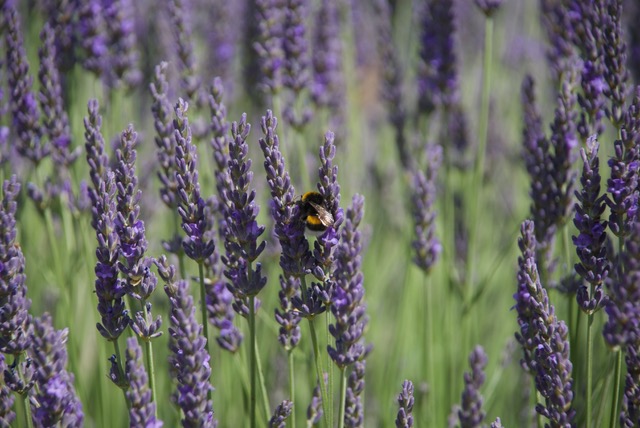
A whiff of lavender to send you off to sleep

Move.

Aim for 20 to 30 minutes of movement a day, at least five days a week. You don’t have to run a marathon but move; walk, swim, stretch, do an on-line class. Keep mobile. Start small, 10 minutes is better than nothing. Leave your running or walking shoes by the door so you trip over them. Still finding it hard? Make it a date with a friend, real or virtual, accountability works.
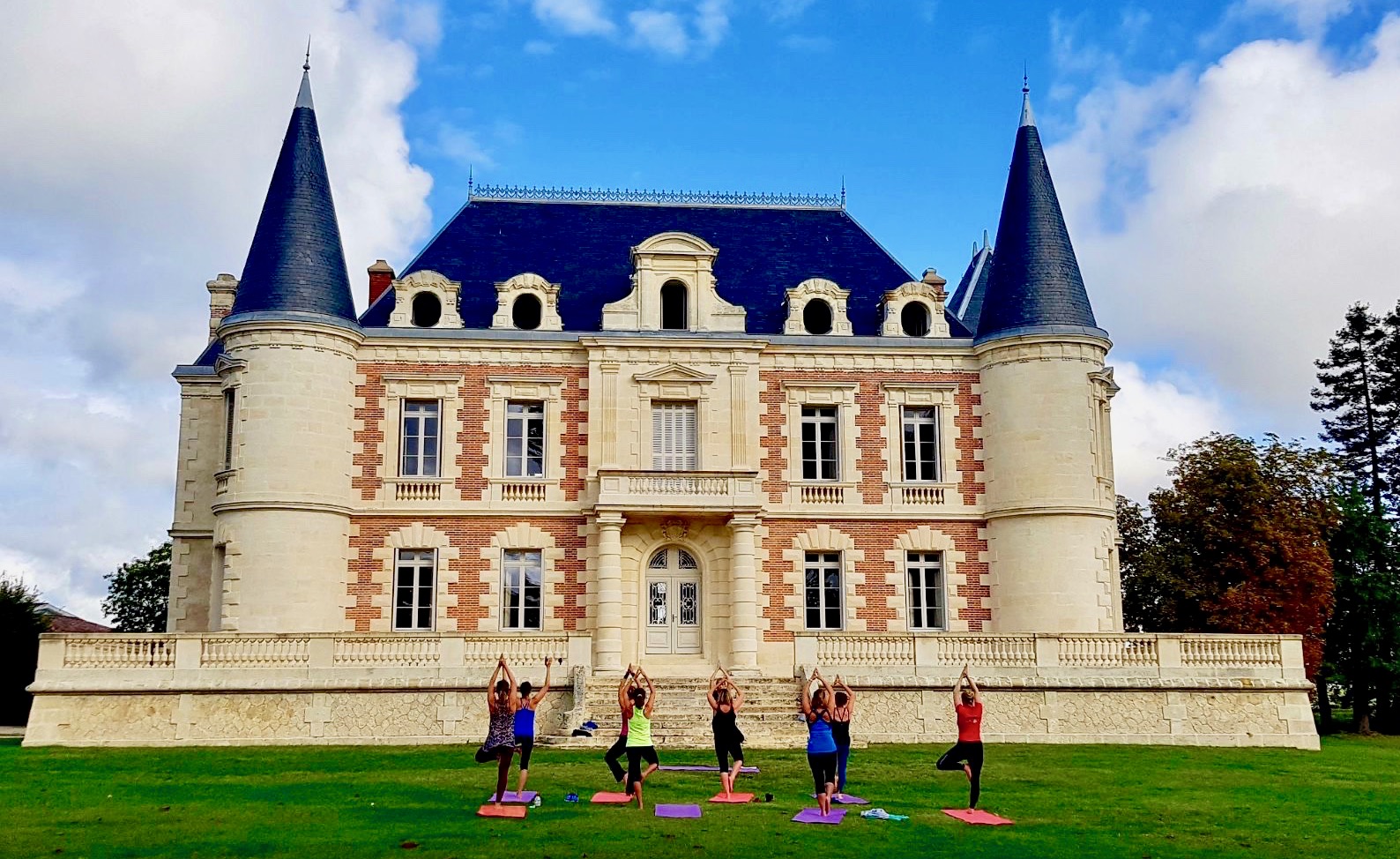
Yoga at Château Lamothe Bergeron – the best of both worlds.

Zone out.

Find time to relax and unwind. If meditation sounds a bit too much, try five minutes simply  deep breathing. There are some great apps to help. The breathing app by Eddie Stern is a really simple one. This could also be a mindful wine tasting. Winefullness. See, new years resolutions can be fun after all.

Happy New Year. 
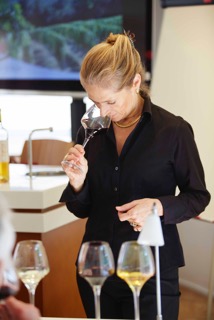
Winefulness


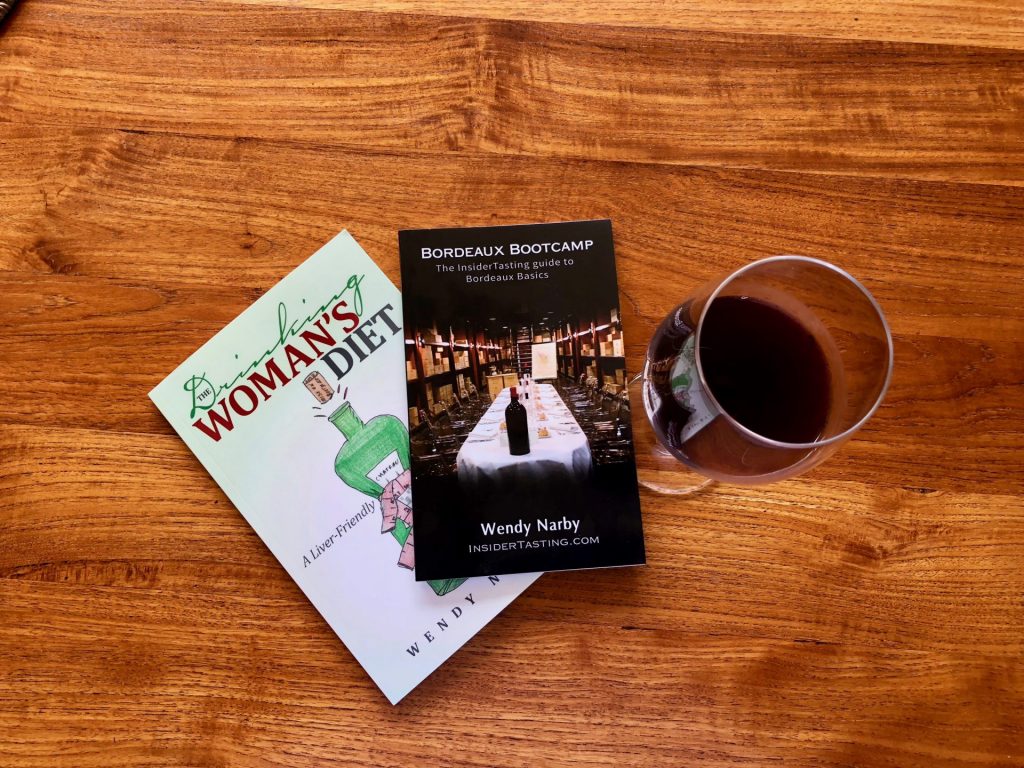
Want to know more?  If you have enjoyed this post,  sign up here  to receive future blog posts directly to your inbox. If you would like to learn more about Bordeaux, buy your copy of Bordeaux Bootcamphere, to learn more about Wine and Wellness, buy your copy of The Drinking Woman’s Diet here. 

Tis the season for moderation.

Is it just me, or am I seeing more chat around abstinence or restrained drinking than normal? Perhaps it’s the run-up to Christmas and the perspective of endless Christmas drinks parties, are folks already warming up for Dry January?  Or perhaps that since the publication of The Drinking Woman’s Diet, I’m looking at more wellness web sites, blogs and podcasts.

I struggle with some of the rather preachy exhortations to give up for good, but I do enjoy comments and tips from people trying keep tabs on and control how much they drink. There are online drinking coaches, web sites and apps and more and more interesting non-alcoholic options. I’m very intrigued by Jukes Cordialities from wine writer Mathew Jukes and will let you know once I’ve tasted them.

Realistically, I’m never going to give up booze. I’m a fervent believer that a little of what I fancy does me good, and as a wine educator, that a little bit of knowledge goes a long way help to help me appreciate what and how much I’m drinking. 

As I try and err on the side of moderation, I am picky about what I drink. I’m not going to waste those precious units on something I don’t like or don’t even notice I’m drinking – so very easy to do! 

To add my 125 mls (small class 1.3 units) to the debate, I have found other lifestyle habits can help. The subtitle for The Drinking Woman’s Diet is ‘a liver friendly lifestyle’. A good level of fitness, a healthy diet, drinking enough water, certain supplements, etc. can help reduce the dreaded hangover. But let’s not kid ourselves; the only way not to have a hangover is …. don’t drink too much. 

The book is not a recipe for how to get away with drinking too much, it clearly addresses the sometimes very serious problems that women can have with alcohol. 

For those of you who haven’t bought your copy of The Drinking Woman’s Diet yet (it’s the perfect stocking filler) here are a few of the tips from the chapter on moderation, motivation, and mindfulness. 

Be informed about sensible drinking limits for you and find some goals that work for you. I try and stick to my rule of two. I work well to rules.

• Two drinks a day

• Two booze free days a week

• Two litres of water a day

Another rule I have is I only drink alcohol if I find it delicious. If I don’t enjoy the glass I have been served I will (usually discreetly) not drink it.

Two glasses a day – but which two?

Another ‘trick’ that works for me is if I want a drink, I wait ten minutes – delayed gratification. (This rule works for all sorts of things) Often, in ten minutes, the urge has gone or you can think about why it is that you want a drink (that’s the mindfulness bit).  If you still fancy a drink you will start a little later and the later you start, the less you will drink. Starting later is easier than stopping when you are on a roll.

These ideas might help with delayed gratification:

• Have a glass of water.  This gives you something else to do with your hands in a social situation, rehydrates (anti-hangover) and quenches your thirst so that first drink doesn’t slip down without touching the sides. 

Keep the water to hand

• Have a cup of tea. (I know it’s an English thing) If you are reaching for the wine bottle to refresh your flagging body and/or soul, a quick cuppa does the job. A cup of tea has as many polyphenols as wine, and you won’t feel like a drink straight away afterwards. Job done. 

• Take some exercise. Go for a walk. You’ll be fitter and drink less.

• Schedule a workout right before you expect to drink. Afterwards, you’ll want to reach for something refreshing and hydrating, like water or coconut water—not something dehydrating, like alcohol.

• Or schedule an early morning workout. Knowing you have to get up and exercise in the morning is a great motivator for not drinking too much the night before. You know how much it will hurt. An accountability partner the next morning, someone you don’t want to let down, will help.

• Breathe. This slows down your heart rate, relaxes you, and gives you time to think and to hang on for another ten minutes.

• Check Facebook. Ha! How many times does a self-help literature tell you to do that? This doesn’t work if your FB feed is full of pictures of what your friends are drinking (Like mine).

• Phone a friend. Drinking on the phone still counts as drinking alone!

• Clean your teeth. Carry mints or breath strips. A minty mouth cuts the craving for just about everything alcoholic and wine in particular.

• Have a bath. If you are reaching for a glass to relax, this works. Throw in some Epsom salts and detox at the same time. This doesn’t work if you’re at the party already. 

Drinking less in company is tricky. Those of us who work in the wine business have the advantage of being able to taste and then spit out—not exactly a polite social habit or acceptable dinner party behaviour. Peer pressure is a powerful thing, good friends should be supportive but a lack of support might not be about you. You cutting back might shine a light on a friend’s own issues with drinking. Choose your friends as carefully as you choose your wine. We become the people we surround ourselves with. 

Little white lies can be a way of resisting peer pressure, such as, “I’m on antibiotics,” or, “I have a hangover from last night.” You can also say ” I’m driving” or “I’m watching my weight” (not necessarily a lie). Some friends may relate to this more easily than to controlling units. If they say, “You don’t need to lose weight,” just answer, “Well, exactly. Limiting my booze is why!”

There are many more ideas in The Drinking Woman’s Diet, but I hope this will leave you with some inspiration to enjoy the festive season, have some fabulous wines and spirits and enjoy them to the full, and still remember just how delicious they were the morning after.

Happy Christmas.

If you have enjoyed this post please sign up here  to receive future blog posts directly to your in box.

Christmas cheers!

Christmas is coming and along with it the usual array of seasonal packaging by leading wine labels. As it’s almost December here are few gift ideas for the wine lovers that have caught my eye and a shameless plug for my books as stocking fillers.

Champagne always seems to lead the way in seasonal packaging; they are particularly good at marketing. The Taittinger Prestige Rosé in its lovely shiny box below wouldn’t even need wrapping or how about a bling start to Christmas with six golden glasses, champagne bucket and bottle stopper to accompany a magnum of Moët & Chandon Impérial Brut Bright Night? 

Pretty in pink, who needs wrapping paper?

A more innovative approach to bling is the new special edition of Eto. This new concept has been on the market for just two years. After the stainless steel and copper versions, they have launched a new gold finish just in time for Christmas. 

Eto is an original decanter, although it does have a very cool design, it’s not just a pretty face; it also protects any left over wine from oxygen. Think a sophisticated coffee plunger for wine lovers.

The copper version of the clever Eto Decanter

Inspired by wine tasting friends trying to keep wine remains away from oxygen after just a glass, Tom Cotton designed a concept smart enough to stay on the dinner table that also helped preserve the wine. After six years, 60 prototypes and a successful crowd funding campaign, Tom’s final design is beautiful, preserves wine brilliantly. Decant your wine, serve a glass, or two, and then push down on the neck, creating a seal, preventing from any further contact with oxygen, keeping the wine fresh for up to two weeks. 

The shiny new gold Eto – festive enough for the Christmas lunch table.

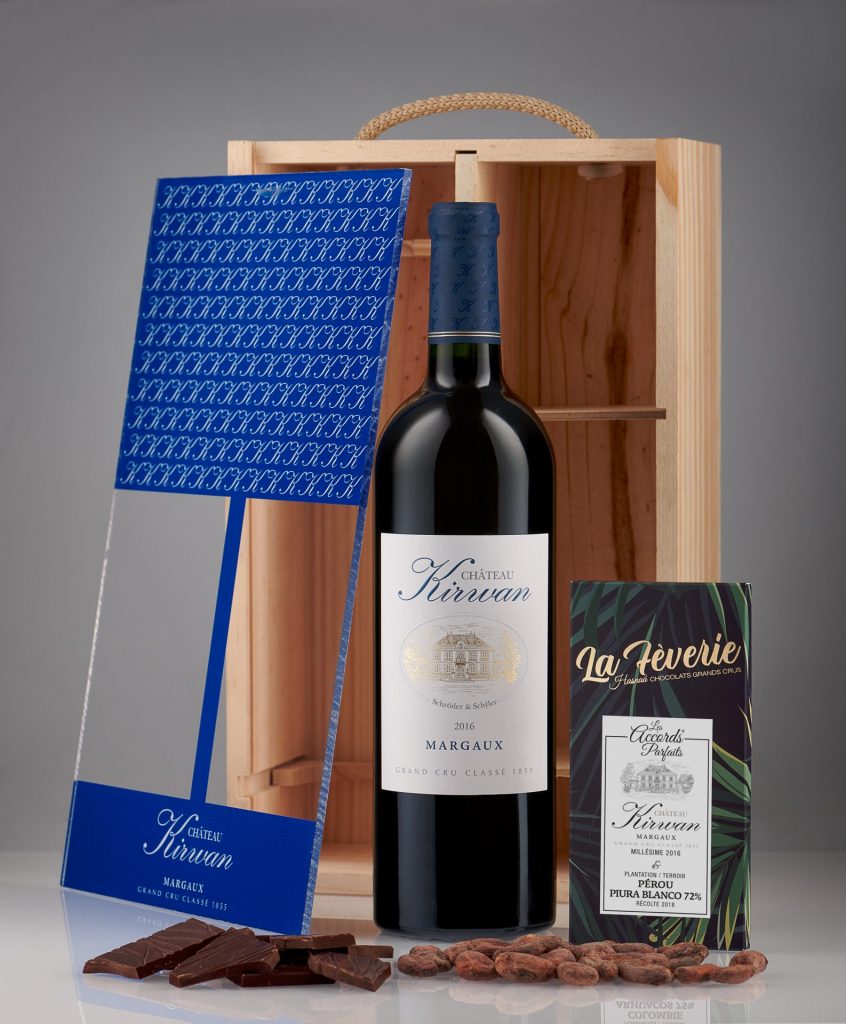
Bordeaux has some gift ideas too. Red wine and chocolate is one of my favourite combinations, not just for Christmas. Château Kirwan had the brilliant idea of creating a Christmas box with local, and very talented, chocolate maker Haasnâ Ferreira. They paired the 2016 vintage of Chateau Kirwan with a 72% Cocoa Piura Blanco Peruvian chocolate – a match made in heaven! 

Cru Classé Margaux and hand crafted chocolate – a winning combination.

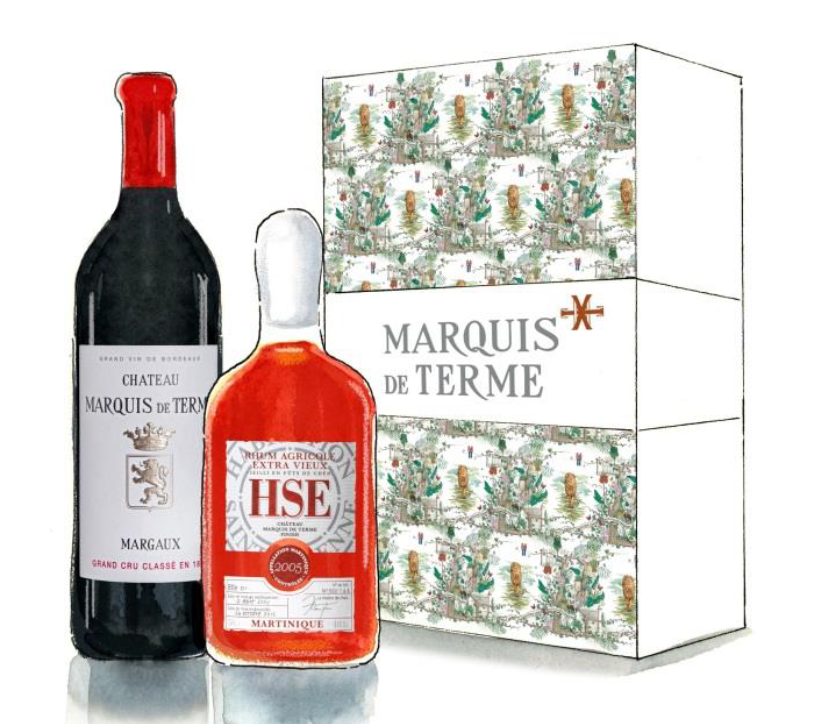
Also in Margaux, neighbouring Chateau Marquis de Terme has created a unique Christmas combination, a bottle of their 2006 first wine with rum from the same vintage. From the French Island of La Martinique, the 36-month aged rum was finished for 10 months in barrels that previously held wine from the Grand Cru Classé. Hurry while stocks of the special gift box last they have only produced a limited edition of 50. 

For something completely different – Rum and wine from Chateau Marquis de Terme

Instead of wine give the gift of a wine experience. A wine tour is a gift you could share with the recipient – I love those kinds of presents!  Pop an envelope under the Christmas tree and you and your guest can wait until the warmer weather to redeem the gift that keeps on giving all year. Take a look at the web sites of some of the partners I work with, Decanter Tours offers both private and small group day tours. French Wine Explorers offers group and private tours and Wine Paths allows you to create your own programme directly with wineries and distilleries in over a dozen countries.

Hotel-restaurant Chateau Cordeillan Bages in Pauillac also offers gift vouchers for everything from Michelin star meals to tasting experiences. 

A gift to share?

Or come and visit Bordeaux for the festive season, the city centre has its own Christmas market and some wine properties offer special seasonal visits. Cru Bourgeois Château Lamothe Bergeron, in the Haut Médoc, invites guests on anentertaining and interactive visit.  Starting in the living room of the beautifully restored 19th century château, they take you around the park and into the cellars for a unique animated explanation of the wine. From 5th December to 5th January you can try a surprising wine and food pairing: three vintages of the Château Lamothe Bergeron with three Christmas themed macaroons, foie gras and chocolate, red pepper and chilli, (the regional chilli from Espelette) and dark cherry.  

Christmas is often about the younger members of the family, just because they are too young to drink doesn’t mean they can’t join their parents on a wine tour. At Chateau de Reignac ‘Once Upon A Time On The Planet’ is a visit designed for children and their parents discover the world of wine making together. The visit explains the importance of the natural environment, looking at the animals and insects that live in the vineyard. Children are encouraged to use all their senses: closing their eyes to ‘hear’ nature in a tepee in the garden, using their sense of smell in the aroma garden, their sense of touch with feathers and tree bark in the Gustave Eiffel greenhouse and tasting in the dovecote. While adults taste the wine of the property, the children will learn how to identify the differences of sweet, salt, acid and bitterness. 

Books are a perfect Christmas gift, and again children can join the fun with The Golden Dolphin. Written by my husband Hamilton for our granddaughter, this lovely fable imagines a story behind the Golden Dolphin that graced the wine label of our family vineyard. My book The Drinking Woman’s Diet is a perfect stocking filler for wine loving girlfriends who also want to look after their liver, including some useful tips to survive the festive season.

Finally Bordeaux Bootcamp, remains a guide to Bordeaux basics to help your guests better understand and appreciate that bottle of Bordeaux you have chosen to serve with the turkey or perhaps even help prepare that upcoming Bordeaux wine tour.

Happy Christmas and hope to see you in 2020. 

You don’t have to be French to be a well woman in wine – Meet Marie-Louise Schyler.

As a historical port, Bordeaux has always had a very international population. Northern European trading partners have established themselves here since the 17th century when Bordeaux was France’s largest port. It is no surprise then that my next interview in the ‘Drinking Woman’s Diet‘ series, is with a Danish lady, Marie-Louis Schyler. As she starts a new role with a Cognac house after working as Head of Communication for two leading Bordeaux  wine companies here is her eloquent take on the joys and challenges of being a woman in the wine and spirits business today.

About me. I am Danish but have spoken French since I was three and have lived in Bordeaux for 25 years now. France and French culture are part of who I am. Since I was a child, my parents were frequently entertaining, so wine and fine dining have always been part of my life too! Socializing around a nicely dressed table is a part of my culture and so a natural thing to me.

I have worked in the wine business for more then 25 years, mainly in communication and marketing. Social events and lots of travelling are part of the job – the fun part – but also the most challenging one as it can be tiresome – coping with time differences and late nights or barely no nights at all – it all takes up a lot of energy!

I love wine – and have also recently discovered fine spirits – I enjoy everything about it: the history, the people behind it, the making – so storytelling around it comes naturally. Of course, my job has its pitfalls: lunches and dinners with lots of good food and good wines / spirits are part of it. But it is all a question of balance.

Wine and wellness. Wellness is all about staying in shape, enjoying life the right way, the perfect balance between work and pleasure. Easy to say but not always easy to do in my line of business!  Generally, I drink wine max three to four times a week, and try to stay at 2 – 3 glasses each time. But most of all:  I am a strong supporter of quality not quantity !

Food. I am not naturally fond of heavy food and desserts so that certainly keeps me off certain temptations! I don’t eat meat but try and stick to fish, vegetables, dairy products, eggs. During winter, I take extra vitamins (especially C) and magnesium.

Fitness. I believe in exercising as a means to staying in shape but also keeping a vivid mindset! I was a marathon-runner for many years but recently, I have switched to different sports : thai boxing (very technical !), gym and especially yoga that I have been practising for 5  years now.

Travel. When travelling I always have a pair of running shoes with me, to go for a quick run or to the hotel’s gym. I also have an extra yoga mat in the trunk of my car, so I can practice whenever there is a quiet, green spot somewhere. Just 30 mins, one or twice a week when on the run does wonders. This is very important as it takes away fatigue and helps you to stay alert and efficient

Wine and women. There are more and more women in the wine business, especially in executive jobs, which was barely the case when I started 25 years ago. On the viticultural side, and in some parts of France, the business is still very male dominated, but it is slowly changing.  I admire women who have succeeded at the top of the wine business as they have probably been working more and harder in order to achieve the same as their male piers.

Now some men even acknowledge that women are more precise and more sensitive when tasting wines, they are more organized and generally have more empathy in their way of working or managing.

When entertaining, men also acknowledge that women cannot / should not drink as much as men, and that suits me fine !

There is definately a change in the way the younger generation working in the wine business consumes alcohol – they are more aware of their consumption, and generally take care of their health, which was not always the case 20/30 years ago.

Tips. Lots of exercise and water – try not to drink more than two days consecutively – if you have a big lunch and a big dinner the same day, try and just taste the wines, in small sips, and not emptying the glass! This could be considered as arrogant – a terrible waste of great wines and food – but a good health is far more important.

I am strongly convinced that a great wine or a fine spirit in small quantities makes life even more enjoyable ! It lifts your spirit and makes you happy!  It’s part of French culture – any culture actually – and certainly part of mine.

Photo Credit Alain Benoit

If you have enjoyed this post please sign up here  to receive future blog posts directly to your in box.

Margaux and marathons with Marie-Laure Lurton.

One of the most popular chapters in The Drinking Woman’s Diet is Chapter Four: How to drink Like a French Woman. I wanted to take the idea further with a series of interviews with some (mainly French) women in wine to see how they balance the challenges of staying healthy whilst working in the wine business.

My first volunteer is Marie-Laure Lurton. Marie-Laure is a member of the Bordeaux Lurton ‘dynasty’, one of 10 siblings almost all of whom are in the Bordeaux wine business. She is a training oenologist owning and running two Medoc chateaux. Married to a GP, I am particularly interested in her opinions about wine and wellness.

Please introduce yourself.

I am an oenologist, graduated in 1984 and since 1992 the general manager of two estates in Bordeaux: Château La Tour de Bessan in Margaux and Château de Villegeorge in Haut Médoc. 

The unique winery of Chateau la Tour de Bessan in Margaux

What brought you to the business?

As a wine grower’s daughter, my childhood was spent at Chateau Brane Cantenac, (Classified growth of Margaux). You could say “je suis tombée dedans à la naissance”! (I fell into wine at birth). I started working in the wine industry for my father in 1984.

Inside the cellars of La tour Bessan

What do you love most about the business?

I am fond of wine production: we grow the grapes and transform them into wine; there’s a kind of magic!

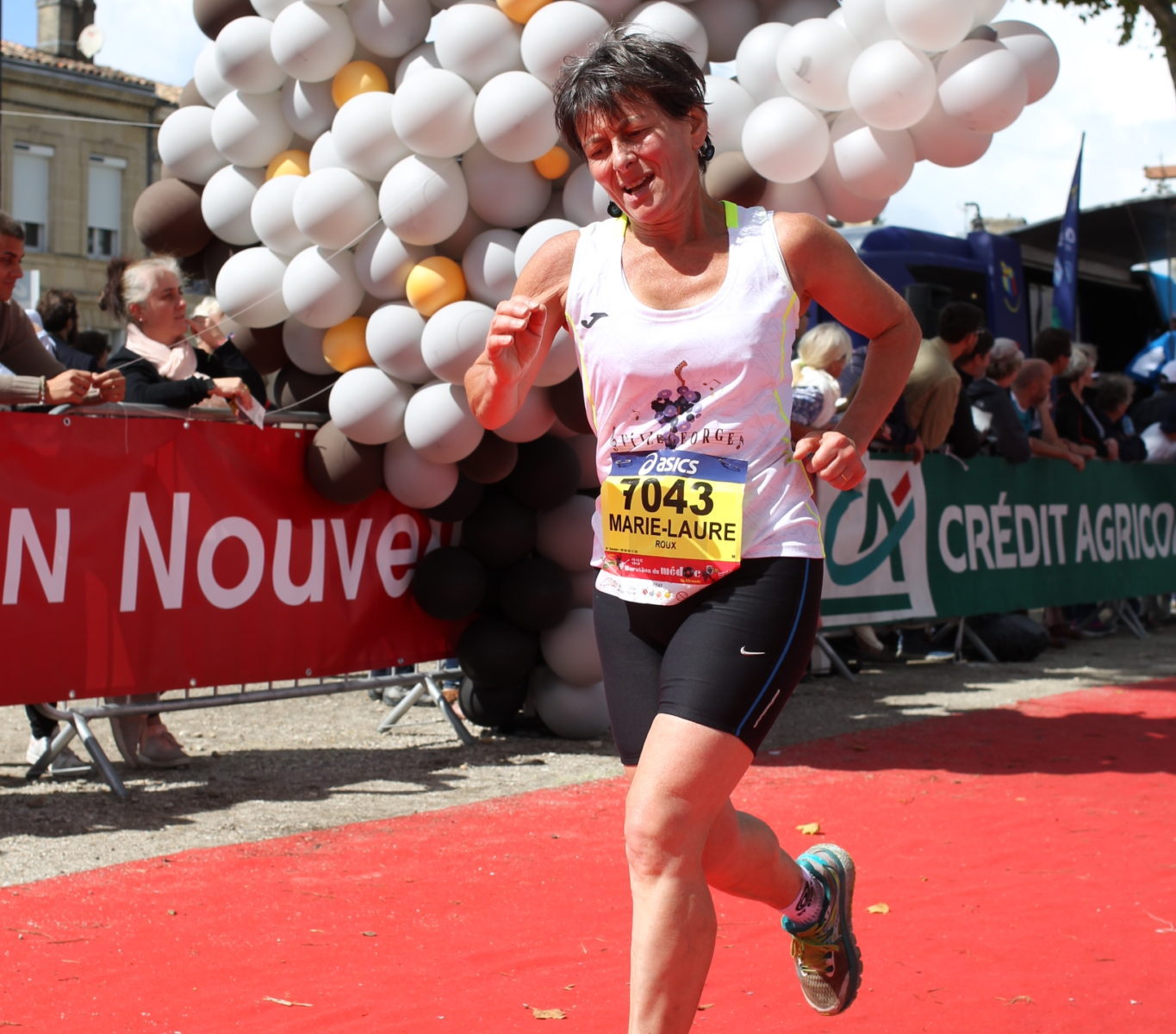
Wine and wellness What does the concept of Wellness mean to you? I am a marathon runner: I have run 17 marathons including 14 Médoc Marathons with our team Château de Villegeorge. My husband is a general practitioner. So for me, wellness is a precious gift that I want to protect and improve upon. I am lucky to be in very good health.

How many times do you drink each week and do you limit yourself to a certain quantity of alcohol?

I drink 5 times a week (champagne and wine, never alcohol like vodka, gin, whisky, Cognac or Armagnac). I pay attention to the amount I drink, preferring to taste a range of different wines with a dinner in small quantity rather than drinking a full glass.

Has your attitude changed to drinking and wellness over the years?

Yes! When I was a young, I drank more as an oenologist student. When I was pregnant (I have three children), I used to drink less, but I never stopped completely. It is difficult to stop when you are producing wine, as we taste all the time. As I become older, I feel more tired drinking wine; so I taste more than I drink.

Food  Are there foods you consciously include in your diet?  I prefer eating vegetables and fruit.  For several years now I drink vegetal milk rather than dairy.

Are there foods you avoid?  In general I don’t eat “charcuterie”. I eat less meat than before, preferring fish.

Fitness As a marathon runner you obviously exercise.I try to practice sport frequently; I play tennis once a week, run and cycle on the weekend.

Marie-Laure in action finishing the Médoc marathon.

What are your biggest challenges to staying fit and healthy in your job?How do you overcome them?

I try to avoid big wines lunches and I don’t empty my plate (even if it is not polite!). I try not to eat too much sugar (not always a dessert). I try to pay attention to my stomach, stopping eating when I no longer feel hungry.

Exercise really helps; I feel much better when I exercise so it’s easier.

 Do you set yourself goals, and do they help in your aim to stay well?

When you decide to run a marathon, you have to run a lot. I try to find time every weekend for sport (at least one hour). When I have the opportunity I prefer to walk than to drive. I climb the stairs instead of using the escalators.

Wine and women Does that fact you are a woman help, or is it a hindrance in this business?  I think that there’s no link with being a female, one way or another.

Do you feel there are different expectations in drinking culture for a woman compared to male colleagues?  Yes I do, maybe as women we are more interested by aroma and taste, so we don’t need to drink a lot to appreciate wines. I am sure that we are more sensitive to alcohol, so we have to take more care of the quantity we consume than men.

Have you seen an evolution of attitudes in the business, towards drinking in general?  I think that now people drink better wines and less quantity. Which is a good thing.

Travel. How to you cope with wellness pressures when travelling, business and pleasure?  Sometimes, when you have many lunches and dinners on a trip, you need to diet when you come back home to feel better.

Do you see a difference in attitudes in different countries?Yes, it’s more difficult to eat vegetables in Germany or USA for example. In Japan, it’s very easy to eat well: no sugar, no fat, lot of fish, rice instead of bread.

Your tips? If you had just one or two top tips for women in wine wanting to stay well what would they be?  Never give it up but don’t obsess, listen to your body.

Is there anything else you would like to share about women in the booze business or about wine and health?  Enjoy good meals and good wines in moderation and don’t forget that we have only one life!

Wise words indeed, thank-you Marie-Laure.

If you have enjoyed this post please sign up here  to receive future blog posts directly to your in box.

How to drink like a French Woman.

Finish the meal with black coffee

There are so many books out there telling us how all French women are slim and beautiful, with chic style, look ten years younger than their age, have perfect children and great sex lives, etc., etc. You name it; the French are better at it than us. It’s enough to make you reach for a drink!

I’ve lived in France for over thirty years so I’m happy to dispel a few of these myths so that we non-French women can dust off our self-esteem.

The French have some great phrases relating to the after-effects of over indulgence, such as “mal aux cheveux” (my hair hurts) and the famous “crise de foie” (a liver crisis). So they obviously don’t have this thing covered either.

Everybody lies about his or her alcohol consumption, but figures from the World Health Organization (WHO) show that the French win at alcohol consumption 12.2 litres per capita, with the United Kingdom at 11.6 and the United States at 9.2. But it’s also about what we drink. In France, over half is consumed as wine, compared to a third in the UK and less than 20% in the US.

The figures also show the divide between men and women. In the United States, men are reported as drinking 13.6 litres per capita per year and women 4.9. In the United Kingdom, it’s 16.5 litres for men and 6.9 for women. The French beat us all at 17.8 litres for each man and 7.1 per woman.

The French do drink differently.

– They consume most of their alcohol as wine and mainly at meal times. Friends rarely meet for drink in France, they drink with food, so they’ll meet you for dinner or lunch. Yes, they are the champions of the “aperitif” but very much as a pre-meal experience—no pre-loading here.

Wine with food – even as an

Drinking with food rather than on an empty stomach reduces the Blood Alcohol Concentration, and protects the liver. In France, they advise a spoonful of olive oil before drinking, in England, we advise a glass of milk. I prefer full-fat yoghurt, as it helps with probiotics who also suffer from too much alcohol.

– They take their time over meals, chewing well; they eat less and enjoy it more. Chewing warns the stomach what food is heading its way, preparing the digestive process and allowing time for a full sensation to reach the brain from the stomach. This process slows down both food and wine consumption.

– They have both wine and water on the table. Drinking at least one glass of water for every glass of wine helps reduce headaches exacerbated by the dehydration as your body tries to dilute the alcohol. This habit helps. And no ice in that water, iced water inhibits the digestion.

Wine and water and food

So French women drink their wine with food, but their eating habits are worth a look, too:

– French women do not snack in between meals.

– Croissants are for breakfast, not for a mid-morning top up.

– You don’t see French women walking around town with polystyrene cups of milky coffee. In fact, apart from breakfast, they never put milk in coffee.

– They eat three meals a day.

– They don’t eat on the hoof; they stop for lunch, take their time, eat slowly, and enjoy.

– They don’t eat half a baguette while waiting for the starter to arrive or a bowl of peanuts with the aperitif.

–  They drink lots of water.

– They eat their veg; a French family meal will usually start with either salad (crudités) in the summer or soup in the winter. Vegetables are served with the main course and salad offered with cheese before dessert.

– They finish their meal with a strong (bitter) espresso, which closes the appetite.

You don’t have to come to France to eat and drink like a French woman but when you do, you now know how to fit right in!

The Drinking Woman’s Diet.

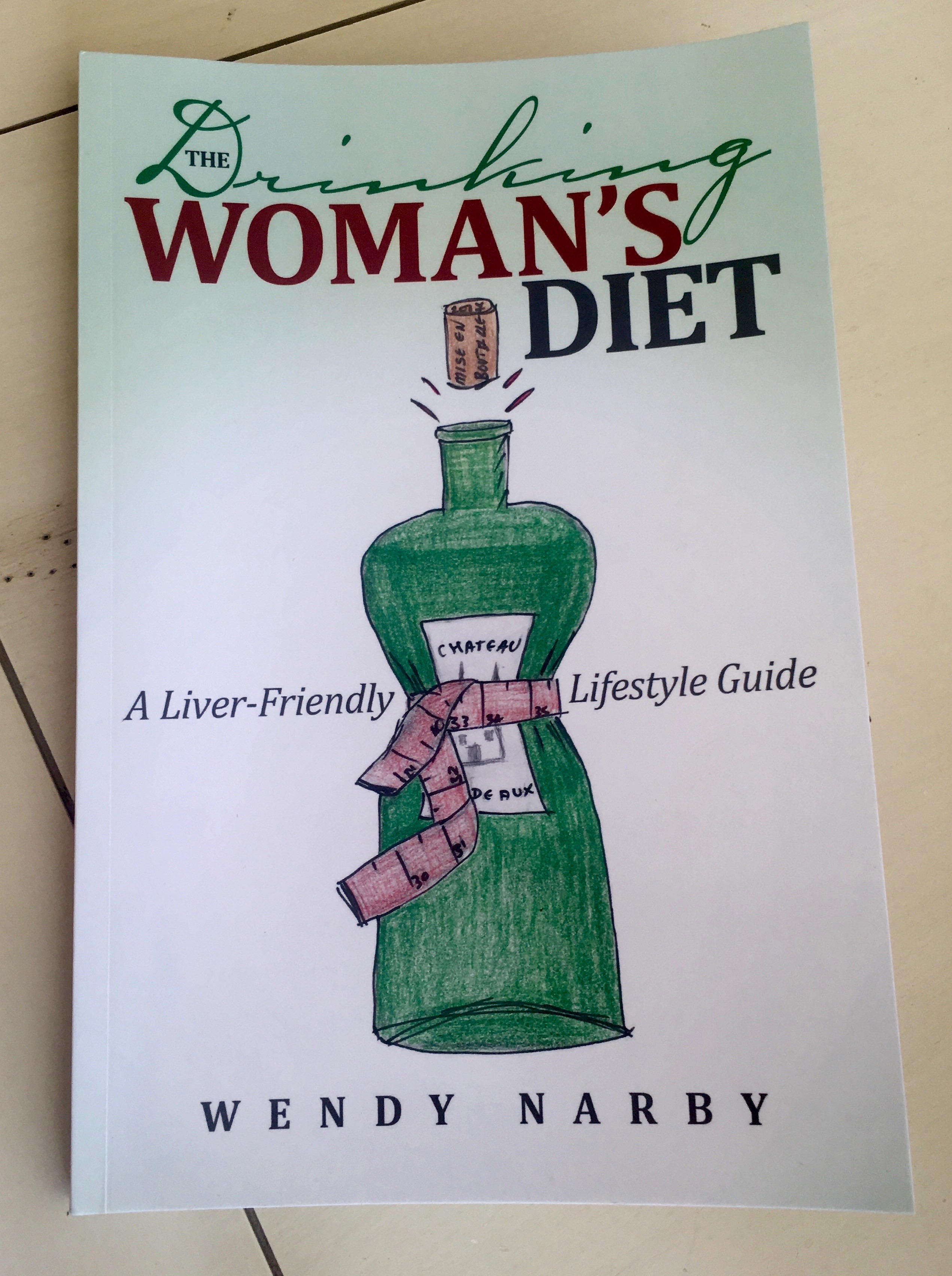
The original of the post was featured on A Balanced Glass and is taken from The Drinking Woman’s Diet, A Liver friendly Lifestyle Guide. available in paperback as an e book or on Amazon. Contact me for  a signed copy as a Christmas gift.


The Drinking Woman’s Diet.

I have finally got my hands on a physical copy of my new book: The Drinking Woman’s Diet. It’s been a long time coming. The idea for this book originally came about at the end of wine tour in Bordeaux. A client, groaning from a week of fabulous food and wine, asked me ‘how do you do this all the time and keep in shape?

DWD
The Drinking Woman’s Diet finally!


Well the first answer is I don’t do it all the time, but I do it a lot; I drink wine for a living. I teach wine classes, run tastings and talk at wine dinners for professionals and enthusiastic amateurs around the world. I take people around vineyards and wineries of Bordeaux and, with the objective of keeping an open mind, I constantly sample wines from around the world and taste my way through wine regions.

It’s a wonderful job but, as with many things, there is a downside. The benefits of wine drinking are constantly being lauded in the press but so are the risks. Adding insult to injury, wine goes with food, and tasting dinners are rarely very light affairs. So, as well as keeping an eye on the state of my liver, I try to keep an eye on my waistline.

img_0712
All in a days work?

As I chatted with my client and started sharing a few tricks and tips, she suggested I write them down and hand them out before starting the wine tour. So the book started by sharing a few survival tricks and techniques: the lessons I have learnt from French women, from my friends, therapists and other yogis to try and maintain a healthy body in what may initially appear an unhealthy industry.

Not long after this conversation I went for an acupuncture consultation. The acupuncturist said well there’s nothing really wrong with you, except perhaps for your liver; he stuck a couple of needles in between my thumb and forefinger and next to my big toes to help it out. Not long after that, at the Mayr clinic in Austria, the Doctor looked into my eyes, pinched my cheek and said aha – your liver. That was before I had even mentioned that I drink for a living.

This made me think that I should take an even closer look at this drinking habit of mine. As a female baby boomer, I’m right there in the category of drinkers increasing their health risks through their habits. And I’m not alone.

At the recent launch of his book, Wine – A Way of Life, Steven Spurrier was also asked how he managed to stay so trim, despite working in the wine business. His answer: Vanity. Vanity is a great motivator; as a woman and a fairly vain one at that, the effects of excess boozing are seen not just in the liver, but also in your eyes, in your skin, your waistline so I was interested in seeing how I can allay these side effects of my chosen lifestyle and what the motivators are and how to harness them.

wine a way of life
Steven spurrier – still dapper after all these years!

Why The Drinking Woman? Well I’m a woman and I drink! In the book I have tried to speak from my point of view and experience. Researching the various ideas was a lot more time consuming than I anticipated, there is a lot of weird and wonderful theories out there, so I tried to focus on what worked for me.

I have already been asked ‘what about men?’ Men are more than welcome to read along, but women are at a disadvantage when it comes to drinking. The recommended limits for women are lower than for men.

Drinking Women
Dedicated to Drinking Women;

Many of my friends work in the wine industry (and many, many more support it through their drinking habits). I thought I had better start looking at ways to keep my liver happy and healthy while maintaining my love of wine. This includes yoga. I have a passion for yoga and when I recently organised some wine and yoga retreats in Bordeaux the question was raised how can you seriously combine wine and yoga. Aren’t wine drinking and healthy living incompatible? I don’t think so. Mindfulness is a key tenet of yoga, and a big deal right now – I’m all about mindful drinking, enjoying and paying attention to what it is you are enjoying.

Yoga at Lamothe
Wine and Yoga at Château Lamothe Bergeron

Over the time it has taken me to research this book it evolved into a compilation of advice from various health, fitness and beauty specialists, medical reviews and books, put together to help fellow wine lovers who are not prepared to give up their habit but not prepared to sacrifice their health either.

The title is a little misleading, but it is a great title. This is not a weight loss diet, but weight loss, if you need it, should be a happy by-product of following the healthy lifestyle tips in the book.

The strap line on my web site is: Knowledge increases pleasure. Knowledge is also power, power to make the right decisions. Deep down you know if your drinking habit is an issue, if it’s affecting your waistline, your health, your performance, and your skin so let’s stop hiding from it and work out how to enjoy a drink and still be on top of our game.

Greens
Eat your greens French style – with truffle oil and walnuts!

I like to stay fit and healthy and I hope to grow old not too disgracefully, but not too carefully either. The book will not give you an excuse to drink to excess but I’m not looking to demonise drink either, after all wine is how I make a living. I hope the book captures a holistic approach to health, including diet but also yoga, sleep and so much more and that The Drinking Woman’s Diet will provide some inspiration on how to enjoy wine without putting your figure, your face, your health or your sanity at too much risk.

You can buy a paperback copy here or the e book on line or please e-mail me if you would like a signed copy. And of course Bordeaux Bootcamp is still available on Amazon if you want to learn more about Bordeaux and it’s wines


Happy New Year

Goodbye 2017, you’ve been great company and certainly kept me busy. My strapline states I’m Bordeaux based but open to persuasion. Well I was persuaded this year. I started the tour season with wine in the Rhone and ended with whisky in Scotland – quite a contrast!

It’s not only Bordeaux that blends –  whisky blending at Glenfiddich

The Rhone tour was mostly familiar territory, with a few new discoveries. The wines from the northern Rhone never fail to thrill and the scenery is so breathtaking.

The view over the Northern Rhone

The tour ended with a few days in Provence staying at the spectacular Villa Lacoste. For me, Château Lacoste is emblematic of the changes we are seeing in wine tourism. The wineries visited, the wines tasted and meeting wine makers remains of course at the heart of the experience, but there is now so much more to wine tourism than simply wine. Château Lacoste, with its spectacular art park and hospitality, is the perfect example of this trend towards a complete and high-end experience.

Breakfast at Villa Lacoste

The marriage of art and culture has inspired me for 2018. In the Spring, I’ll be joining forces with interior designer Abigail Hall on a Bordeaux Wine and Design tour exploring how wine has influenced the history of architecture and design in the city of Bordeaux and its chateaux.

It is now easier than ever to participate in a broader approach to wine tourism thanks to a new initiative known as Wine Paths. I’ve been working with their new web site recommending some of my favourite wine tour experiences. Their objective is to make it easier than ever to plan a complete international wine experience. They have partnered with leaders in wineries, hotels, restaurants and other wine led experiences from most major wine regions. France of course, but also across Europe and the world as far afield as South Africa, South America, Australia and New Zealand. You can book with them directly though the site or hand your experience over to selected local specialists.

Filming with Bordeaux Tutors from the Wine School at the Cité du Vin.

Teaching is at the heart of what I do, at the Bordeaux wine school and around the world. As well my annual coast-to-coast tour of the US, sharing the wines of the Medoc with the American distribution trade, I taught in Hong King again this year and in Switzerland. In Hong Kong and Switzerland, the emphasis was on hotel schools. I love these classes, here is the future of wine service and it looks very promising indeed.

With students from the Culinary Institute in Hong Kong

Next year I’ll be involved in more virtual teaching. Around February my book, Bordeaux Bootcamp, will grow into an online experience thanks to The Napa Valley Wine Academy. They are creating an all-online, interactive course, perfect for anyone who wants to become more Bordeaux confident; I’m excited about reaching a broader audience than I can when I’m on the road. The course will be the perfect preparation for Bordeaux drinking but perhaps for a visit to Bordeaux too.

Bordeaux Bootcamp.

When I was in the USA I managed to finally visit the Fingers Lakes. Yet another region where the landscape is a beautiful as the wines – a theme in many wine regions. I had the pleasure of meeting up again with Karen McNeil. As the keynote speaker at the Women for Wine Sense conference her take on cool climate wines was right on trend. Again and again this year the notion of elegance and freshness seems to be on the lips of wine makers – and drinkers.

The Finger Lakes

Of course I spent some time in Bordeaux too, with many familiar faces coming back to Bordeaux for more. In my suggestions on how to tour, three days is an absolute minimum. This will only want to make you come back for more and include a visit to a lesserknown part of Bordeaux or to another winery. This year I’m looking forward to welcoming some guests back for their third visit – you just can’t get too much of a good thing.

Every year I say I’ll do a bit less but 2018 doesn’t look like it’ll be that year. Touring will start in Champagne this year and I’ll be heading to India – more for yoga than wine, although I have it on good authority that Indian wines are worth seeking out, so watch this blog for my impressions.

Wine and wellness is also a theme I’ll be exploring more throughout the year. After the success of wine and wellness events in 2017, where I met some amazing people, I’m keen to take this further. Winefulness is now officially a thing; meditation skills can increase your tasting skills. Don’t believe me? You can try it with me this spring when I’ll be working with yoga teacher Martine Bounet for a Wine and Yoga weekend where we’ll be visiting top wineries in our yoga kit. On a yoga workshop this year in Mauritius, I meet the inspirational Karine Kleb – who initiated me into the pleasures of a chocolate meditation that’s definitely going to be on the programme.

Yoga in the grounds of Château Lamothe Bergeron

Wine, chocolate, culture and yoga – what is there not to love? Health and Hedonism is going to be a much used hashtag in 2018, at least by me. My latest book, A Drinking Woman’s’ Diet, a liver-friendly lifestyle guide, is now with the publishers and should be available early next year – hopefully in time to give a helping hand to any flagging New Years’ resolutions.

Happy New Year