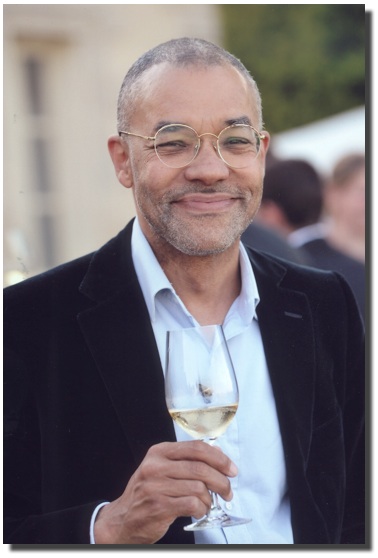
Bean to bar and grape to glass, the parallel worlds of wine and chocolate meet in Bordeaux.
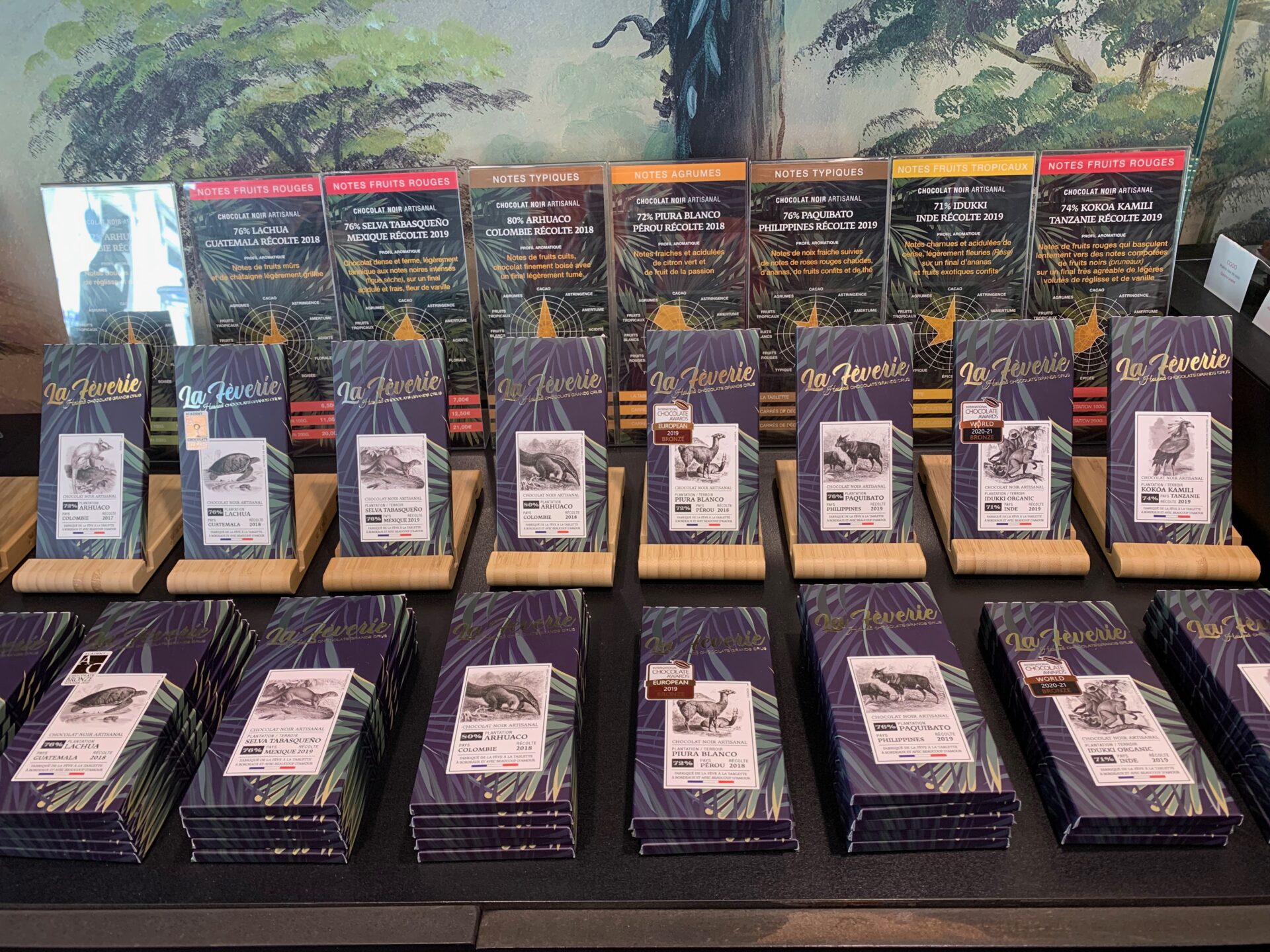
I mentioned Hasnaâ chocolates in a recent post about some of the wonderful things to taste in Bordeaux, apart from wine. I was so seduced by her chocolates that I went along to her tiny ‘atelier’ in the centre of Bordeaux to learn more. I wasn’t disappointed.
I’ve known about Hasnaâ chocolate for a while, they pop up at tastings in various chateaux. Yes, wine and chocolate can go together.
In the discreet restaurant at Château Marquis d’Alesme you can even enjoy a selection of her single origin chocolates with coffee.

La Route du Chocolate
Hasnaâ had a convoluted route to chocolate. She was a model in her native Morocco, making her perfect face of the product. Working in sales in France, her passion for cuisine led her to participate in Master Chef. That in turn sparked a desire to change careers and she took a course to become a professional chocolate maker, perfecting her technique working alongside leading ‘Meilleurs Ouvriers de France’ such as Serge Granger, Bruno Le Derf, Philippe Par and Pascal Brunstein.
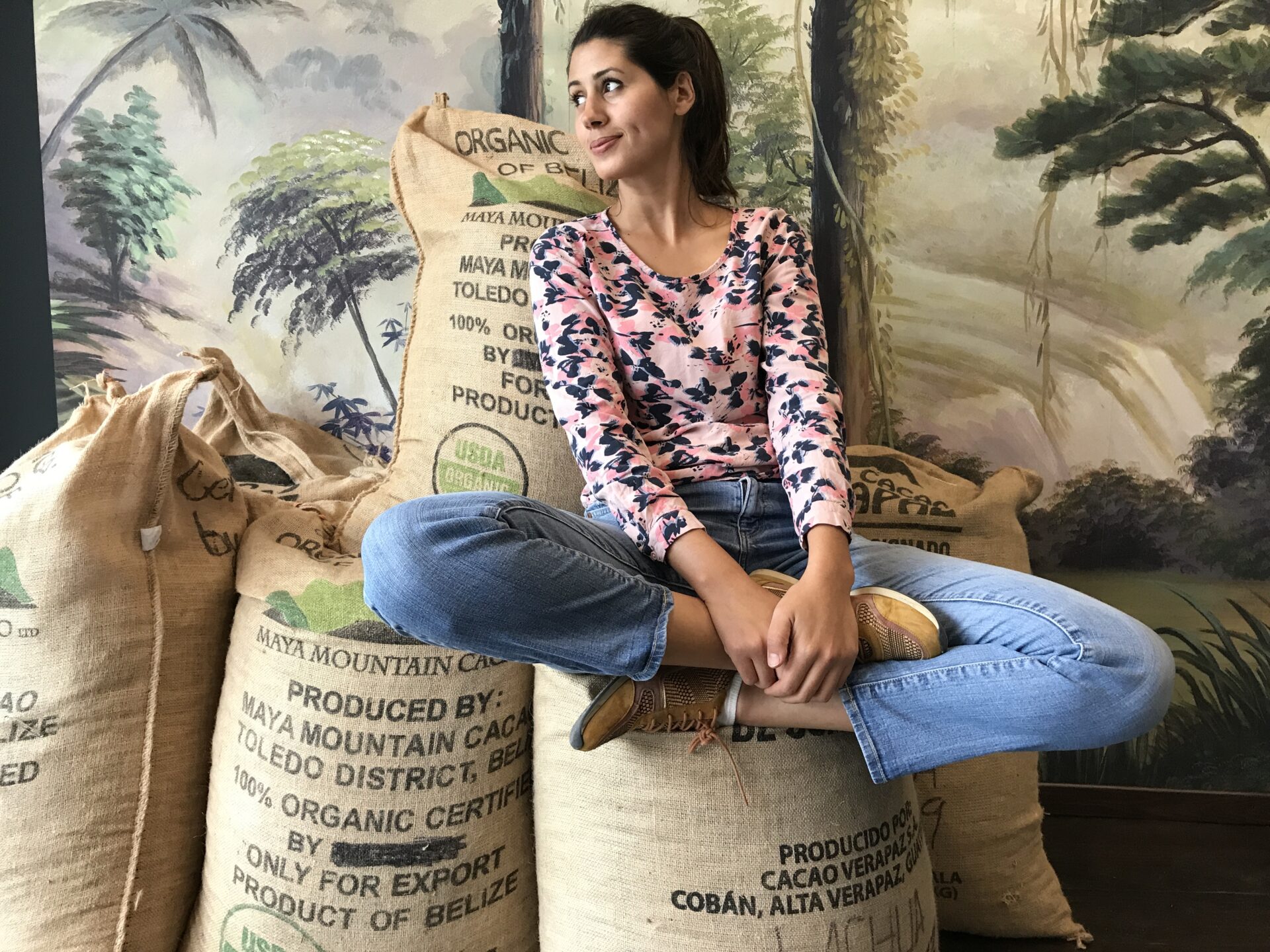
Hasnaâ opened her first boutique in 2014, in the centre of Bordeaux, a second in 2016. In 2017, her husband Vincent also took the plunge into chocolate, training in the US to master the Bean to Bar method, how to create chocolate from their directly sourced cocoa beans. His previous career as a graphic designer can still be clearly seen in the beautiful and evocative packaging of all their products. This year’s advent calendar is a joy to behold.

In 2018 they launched La Fèverie, the tiny Bean to Bar laboratory where they make the Hasnaâ Grands Crus Chocolates behind the original boutique. They have just opened a boutique on the coast in Arcachon.
Bean to bar
Hasnaâ chocolates are made from cocoa beans hand selected from single origin plantations. They work directly with producers investing in local development, encouraging fair trade, travelling to meet them and select the beans in the estates. When I visited Hasnaâ and Vincent were on a buying trip to Tanzania.
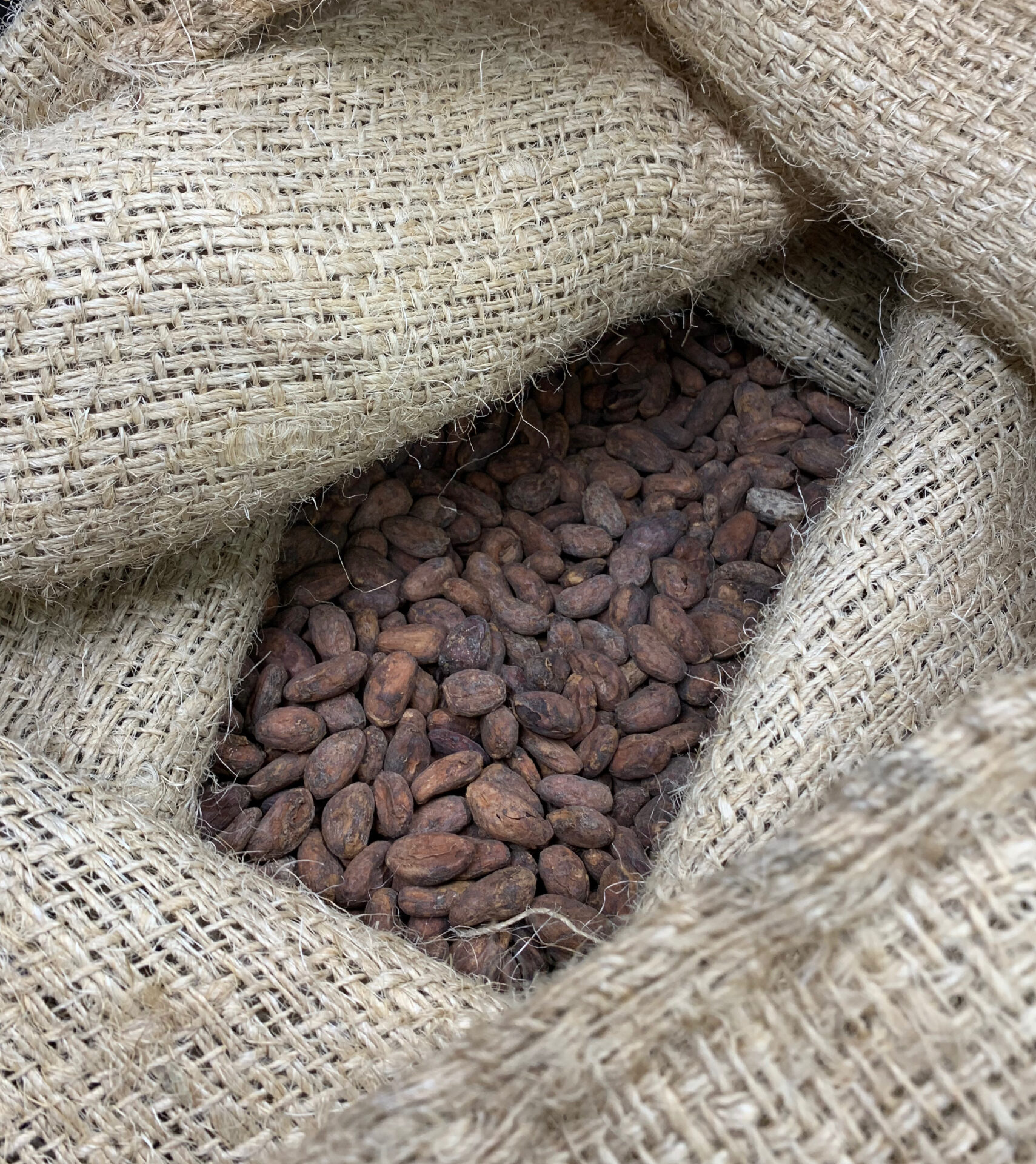
The selection criteria for aromatic potential and quality include the type of tree and the work of the harvesters, including drying and fermentation. They now do the roasting and conching themselves, the very definition of bean to bar.
They only use organic cane sugar and use no preservatives or artificial aromas but experiment with natural ones such as coriander, pepper, etc.
Selection
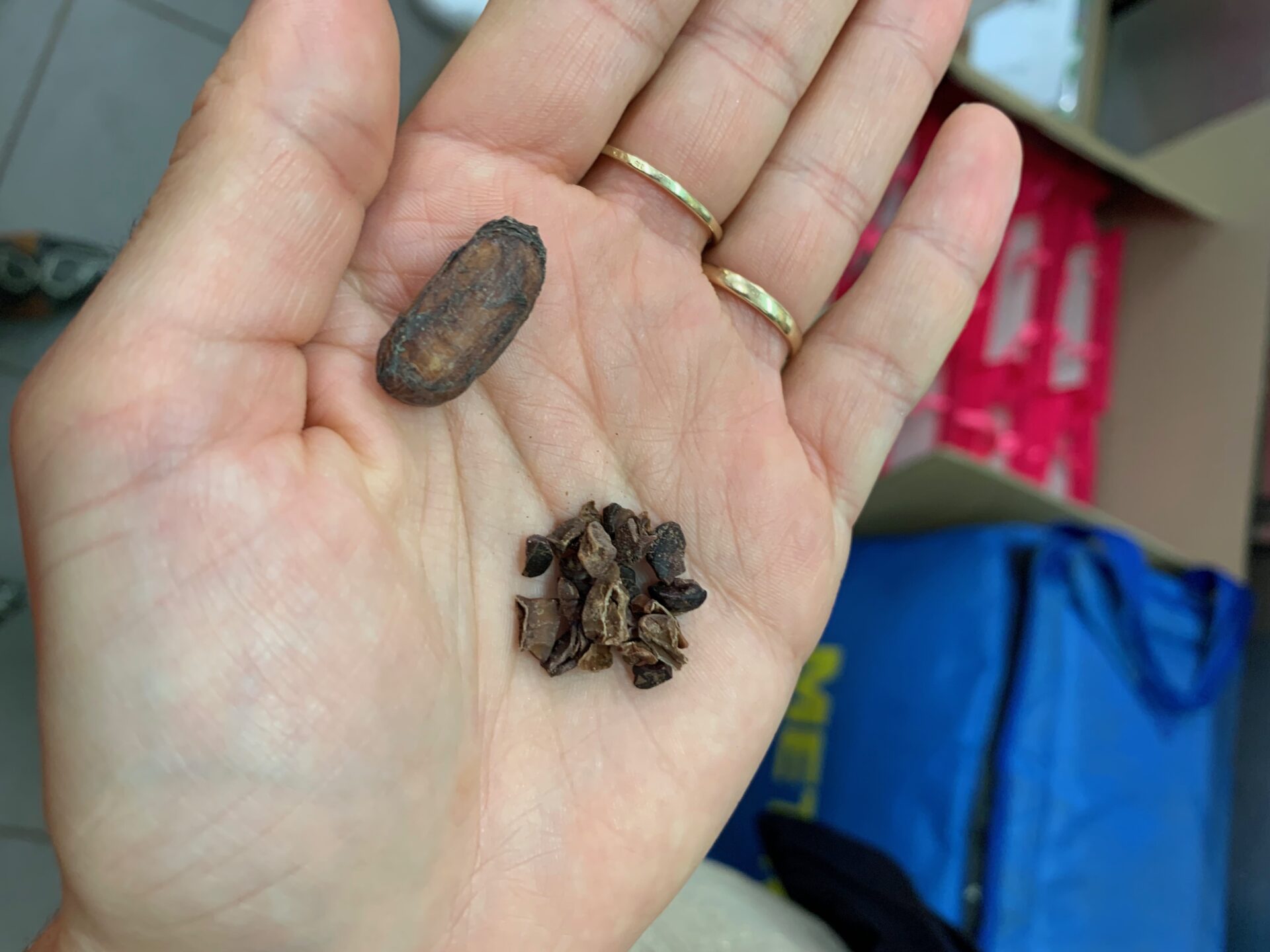
Cocoa beans are hand selected in the laboratory from their jute sacks, removing any damaged beans or bits of wood. The beans are roasted in a converted coffee roaster, controlling temperature and humidity, then crushed and winnowed to remove the skins, producing cocoa nibs. These nibs can then be conched.

Daily grind.
This is where having their own facility makes such a difference to the quality of chocolate they produce. Their grinder uses blocks of granite that slowly conch the nibs over several days compared to several hours for classically made chocolate. This reduces the coca to a liquid consistency thanks to pressure and heat produced and the natural level of cocoa butter. This process releases the wonderful floral, fruity and spicy aromas whilst eliminating acidity, bitterness and astringency. They don’t add any cocoa butter, but this is when sugar is added helping to preserve these aromas finally creating chocolate from cacao.
Ageing
Maturing the chocolate allows the aromas to stabilise and harmonise, a period that can last between three weeks to three months.
Parallel universe
Chocolate making and wine making have many parallels, even the language used; selection, fermenting, ageing,…. Did I mention polyphenols?
From wine with chocolate
It’s not surprising given these similarities that Hasnaâ was drawn to work with wine properties in Bordeaux on the ‘Les Accords Parfaits©’
She works closely with chateaux to create single origin chocolate with aromas and textures that perfectly complement their wines. Each chocolate is made exclusively for the individual property adapting the roasting period to create the precise aromatic profile.
These made to measure chocolates are perfect to taste alongside the wine or to offer to clients alongside a bottle.

The Eclairé tasting at Château Leoville Poyferré matches three different vintages with three different chocolates and the Grands Crus wine & chocolate workshop at Château Marquis de Terme plays on themes of acidity, astringency, bitterness, sweetness allowing visitors to experience the wine and chocolate combinations.
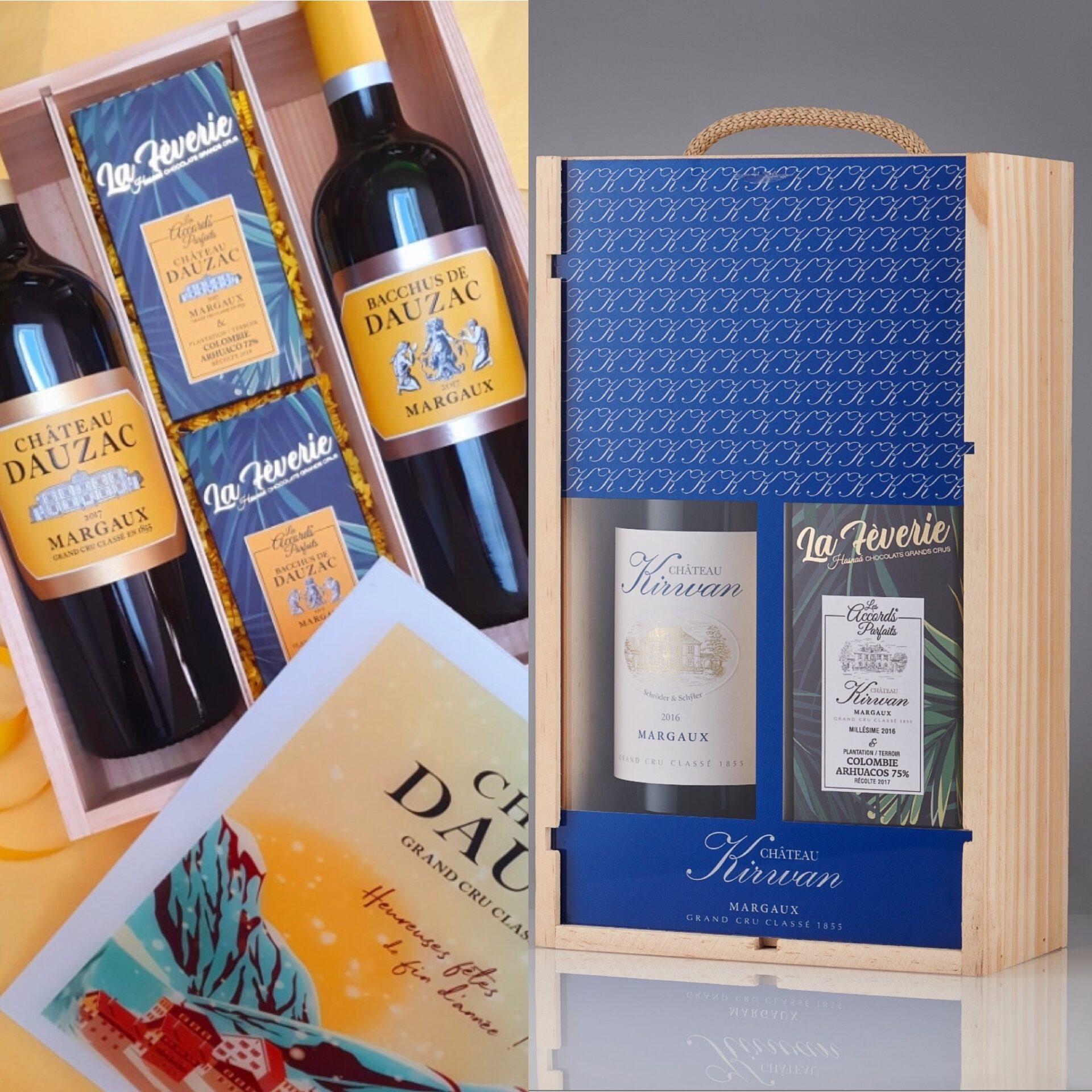
At Château Kirwan and Chateau Dauzac in Margaux, visitors can leave with gift boxes including both wine and the specially created chocolates to match them.
To wine in chocolate
Her latest chocolate and wine creations are the most fascinating. Working with oenologist Henri Faivre, and starting with Château Leoville Poyferré, it has taken four years to research and perfect the process of combining wine into a chocolate ganache. It’s complicated, wine is 83% water, water and chocolate do not mix well.
It’s been an international project, starting in Japan where clients at a chocolate salon really wanted to taste wine and chocolate together, to meeting with English chocolate maker Damian Alsop in Peru, who invented and shared his water ganache method. This is a very different chocolate and wine experience than traditional liqueur chocolates. The wine is not an encapsulated liquid, but part of the ganache that brings out the unique aromas of each wine.

The ‘Instant à Bordeaux’ collection was launched in November 2019 with wines from four grands crus classés (Château Leoville Poyferré in Saint Julien, Château Marquis de Terme in Margaux, Château Pedesclaux in Pauillac and Château Le Crock in Saint Estèphe). In October 2020 she added the appellation Moulis with Château Poujeaux.
The new “Rive droite” right bank collection was launched this year, including Château Malrome for Bordeaux, Château La Dauphine for Fronsac, Chateau Bellegrave for Pomerol, Château de la Grave for Cotes de Bourg and Château Palais Cardinal for Saint Emilion.
The wines are different but so is the chocolate, a chocolate 68% cocoa from Bolivia for the left bank and a 65% cocoa chocolate from Grenada for the right bank.
I’ll admit I was a little sceptical at first, but the differences are striking, both in aroma and texture.
I asked about white wine. Apparently incorporating white wine with its higher acidity is more complicated. Sauternes lovers do not despair, there is a seasonal solution. Confit clementines from Corsica stuffed with ganache, they are delicious and match perfectly with sweet Bordeaux. I tested them at both Chateau Sigalas Rabaud and Chateau Climens to general approval.
Wine and design
I mentioned Vincent’s design skills earlier. With this range he has worked with a young local designer, creating a packaging that reflects both the vines, the cocoa bean and the different aromas they bring. The beautiful boxes come as four, nine, twelve or twenty-five chocolates.

The names of the appellations are indicated on each chocolate which makes for a very different comparative tasting experience. I would recommend the box of 25 if you want to experiment with a comparative tasting, (and who doesn’t?). This larger box also includes a leaflet going into details of the chateaux whose wines are in the different ganache.
If you can’t get to Bordeaux, don’t panic they will ship from their site. A look at the website will show you the boutiques they work with across France.
If you want to learn more, join them in Bordeaux for a chocolate making workshop. It would be the perfect addition to a Bordeaux Wine tour, and I’ll happily tag along.
Want to read more? Please sign up here to receive future blog posts directly to your inbox.To learn more about Bordeaux, buy your copy of Bordeaux Bootcamp here, to learn more about Wine and Wellness, buy your copy of The Drinking Woman’s Diet here. I look forward to your feedback.