Still rosy?
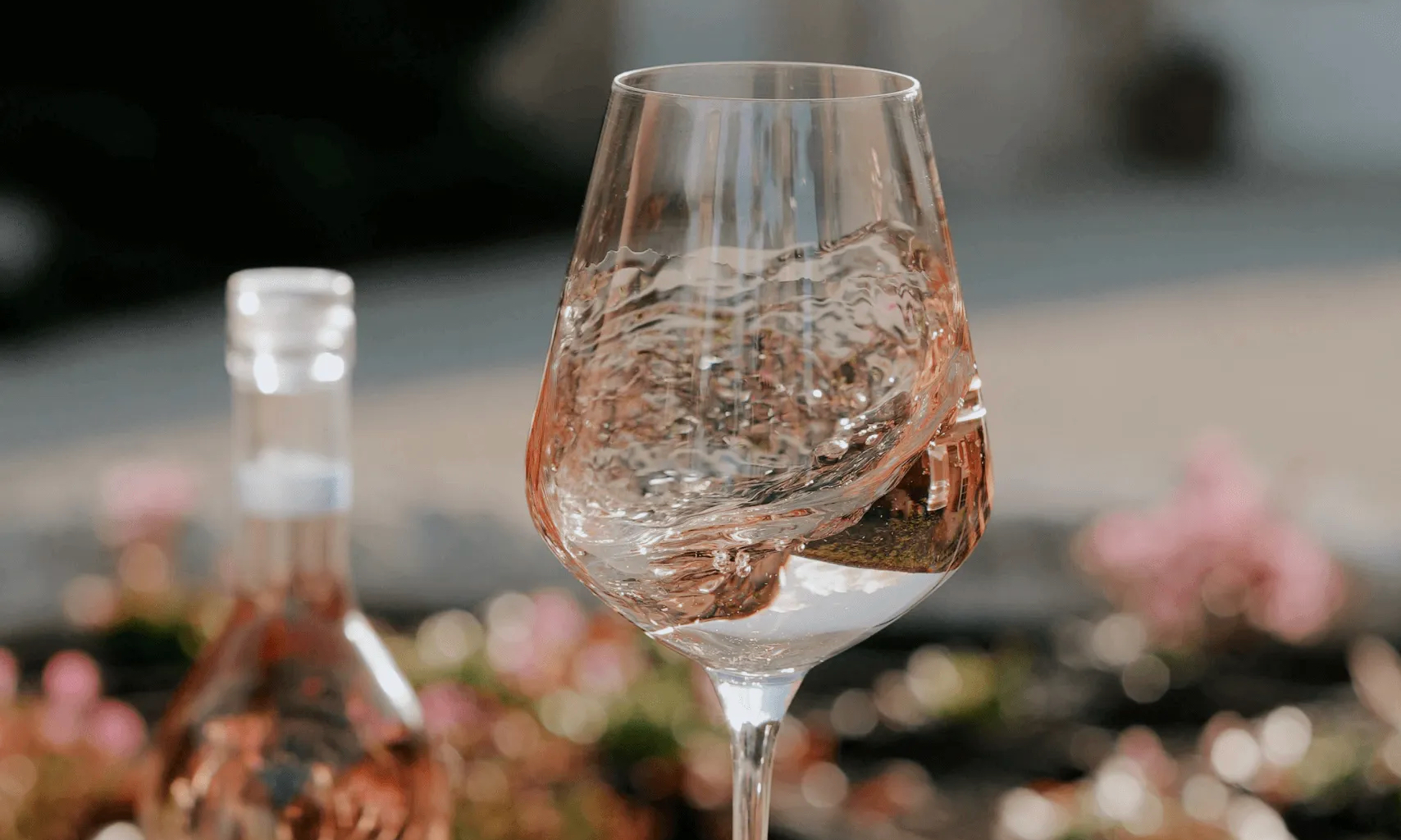
A recent article in Drinks Business, confirmed rosé is still a bright spot outperforming the general downward trend in wine consumption, thanks in part to being championed by stars and moving up market.
Bordeaux rosé, still on the rise
I recommended some Bordeaux rosé back in the summer of 2021, when production was just 3% of Bordeaux wines, now it’s up to 4%. That may not seem like a big increase, but it’s another 5 million bottles of Bordeaux Rosé! That’s without counting sparkling Crémant Rosé, another category on the rise. Traditionally, Bordeaux is known for its darker rose, made from saignée, running off juice from red vats often in more abundant, and dilute years. There hasn’t been many of those in recent vintages.
Bordeaux has also embraced the trend for paler rosé, made from dedicated plots, picked earlier for fresh acidity and skins that yield less colour when directly pressed with a shorter maceration time. Clairet, is a darker, local specialty and favourite, mainly consumed by locals, rarely making it to export markets. The recommendations I made in 2021 still hold good but I’ve tasted a few new ones that I wanted to share.
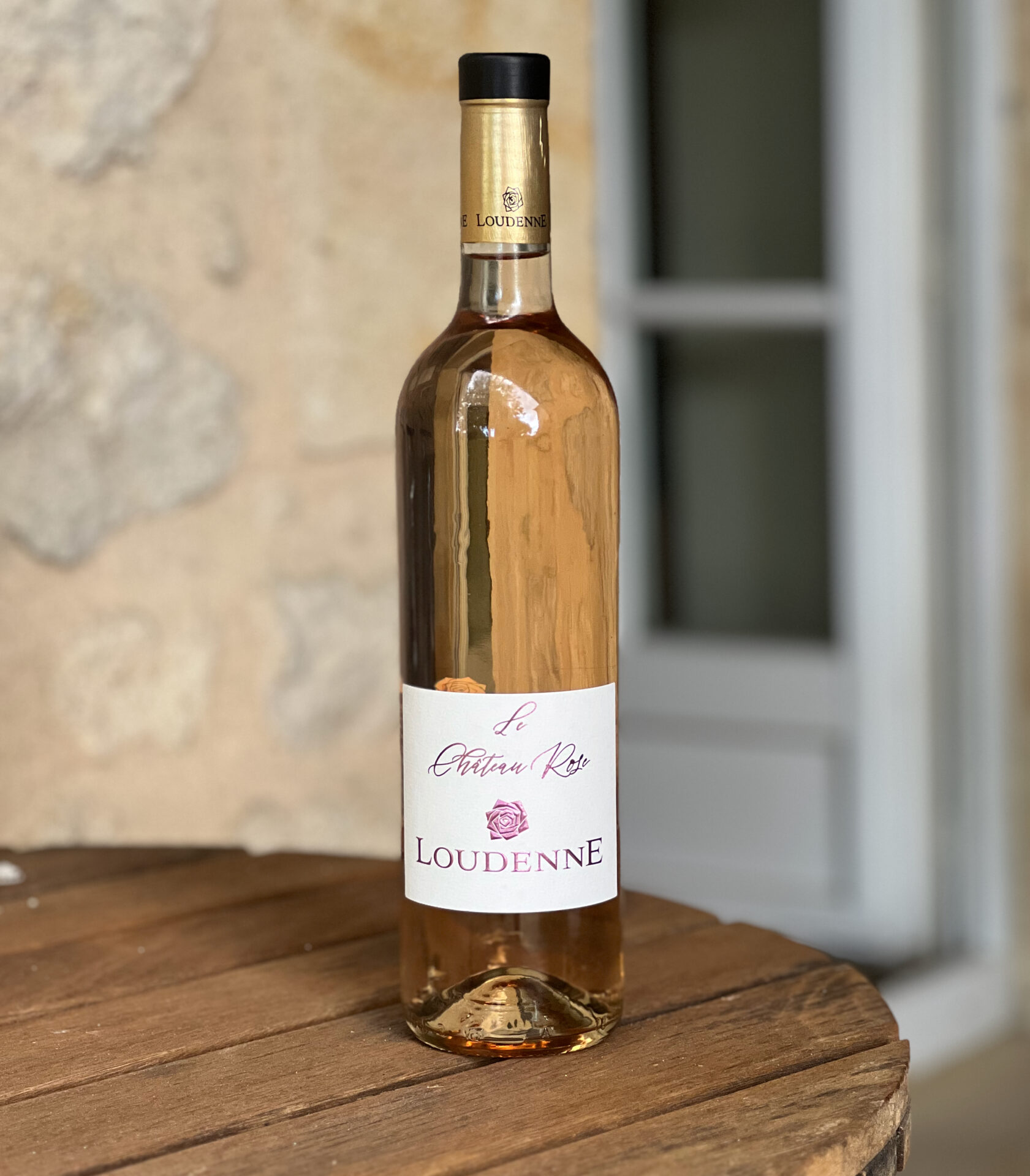
The Médoc seems to be on a rosé roll, Chateau Loudenne, added another rosé to their range with the 2022 vintage. Sourced from an 8ha HVE certified plot to the north of the chateau, it’s a blend of Merlot and Cabernet Sauvignon from directly pressed whole bunches and called Le Château Rosé, with an equally elegant nod to the château rose garden on the label.
Le Rosé x GISCOURS is the latest addition to the Château Giscours range since the 2019 vintage. With a delicate ‘Rosé de Provence’ colour, it is sourced from a dedicated plot of Cabernet Sauvignon, harvested early and cool fermented. It is as elegant to taste as the colour and bottle suggests.

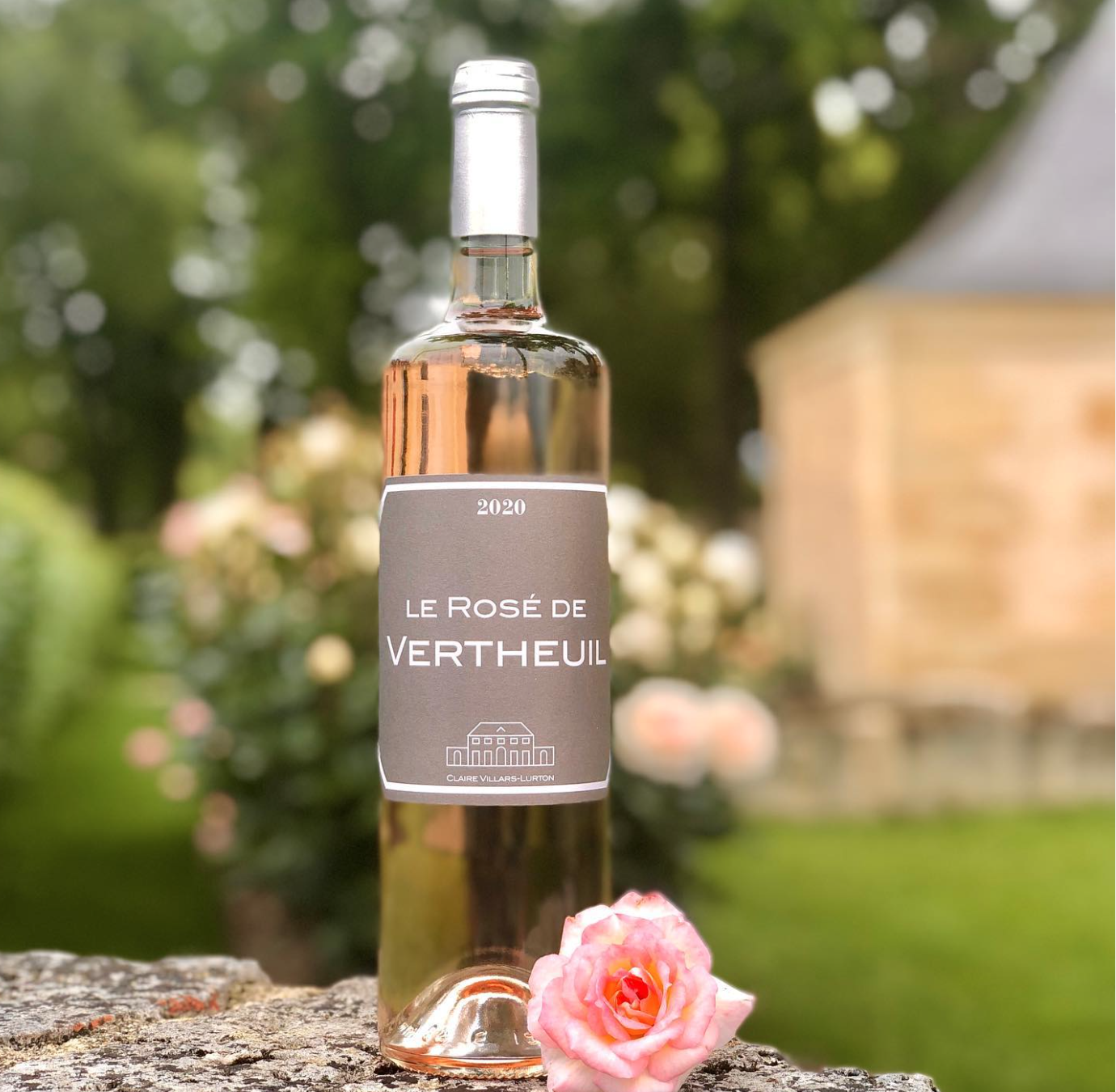
Le Rosé de Vertheuil is a press rosé, made by Château Haut-Bages Libéral classified growth in Pauillac from a cool clay and limestone plot near the village of Vertheuil, which gives its name to the cuvée. It is 100% Merlot and under conversion to organic viticulture as you would expect from biodynamic pioneer Claire Lurton.
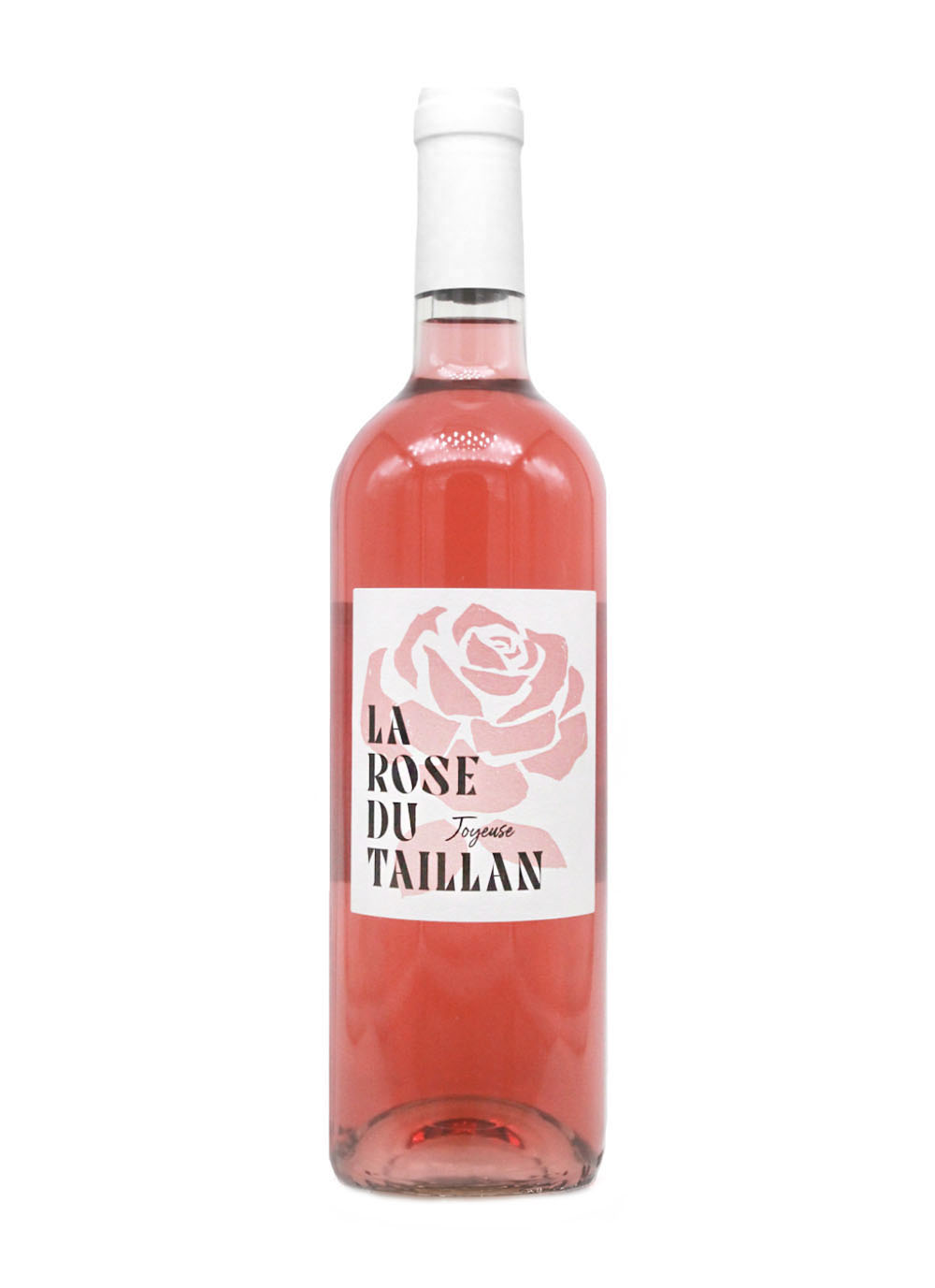
Château du Taillan in Haut Medoc has launched a new range, ‘La Rose’ in red, white and rosé with a distinctive label. La Joyeuse 2023 is a saignée of 60% Merlot and 40% Cabernet Sauvignon, thanks to a short maceration and low temperature fermentation.
Casual drinking and relaxed packaging
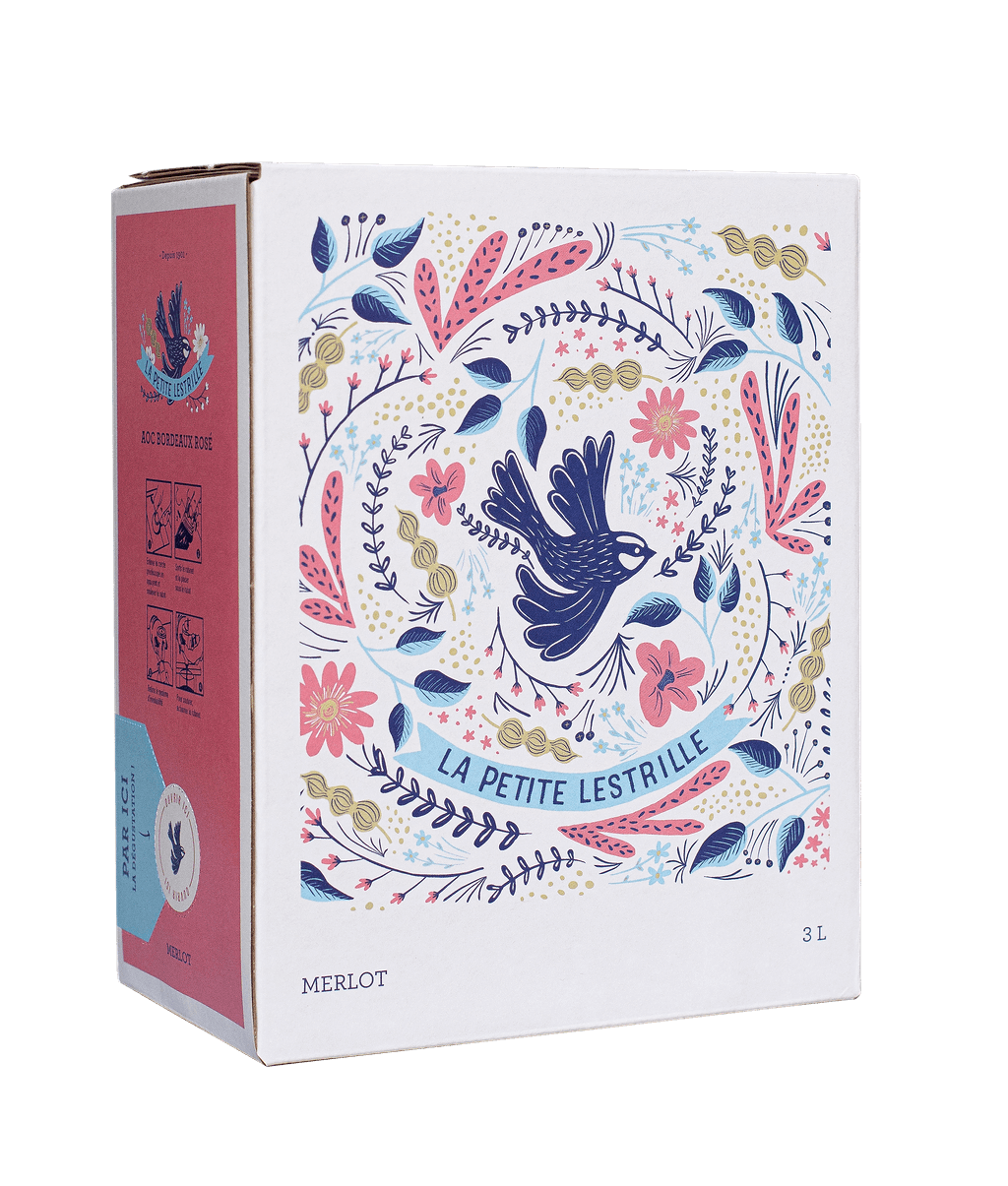
Usually sold in clear glass bottles to show off the colour, Bordeaux rosé is available in BIB – a big favourite of mine for summer, see La Petite Lestrille with it’s gorgeous new design reflecting Estele Roumages committee to her vineyard environment. (now also available in bottles). Who doesn’t want rosé on tap in their fridge all summer?
And now in cans! Just last week, I met Jean-Luc Dartiguenave, owner wine maker of Château des Tuileries Cru Bourgeois in the Medoc. The vineyard is in Saint-Yzans de Médoc, (a neighbour of Château Loudenne). HVE certified, with the 2023 vintage he ‘bottled‘ his first cans of his Le Rosé des Tuileries saignée from 20% Merlot and 80% Cabernet. A ‘Vin de France’ for years, the slim, elegant light pink cans are 250cl, two average glasses, and carry the same signature as the bottles. He describes his rosé as a relaxed lifestyle wine and recommends taking it to the beach – no coincidence, then that I met him in his vintage Peugeot van in the market in Soulac-sur-Mer on the Médoc coast.

Intelligent packaging
Pierre Jean Larraqué, a native Médocain, now owns six properties across Bordeaux including Médoc Cru Bourgeois Château Vernous, and Château Grand Marceaux from where he selects grapes for the Querrala rosé. Picked at night for freshness, the bottles of 80% Cabernet Franc and 20% Merlot has a thermo-sensitive ‘‘crystal’ on the bottle that changes colour to tell you when the wine is at its perfect tasting temperature. Tepid rosé will be a thing of the past.
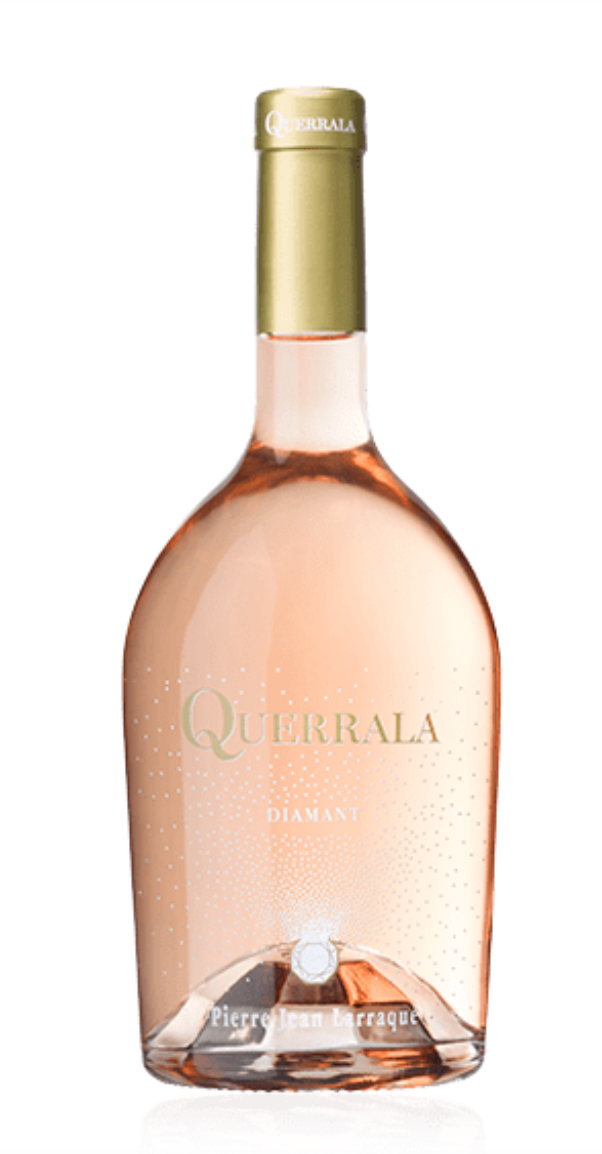
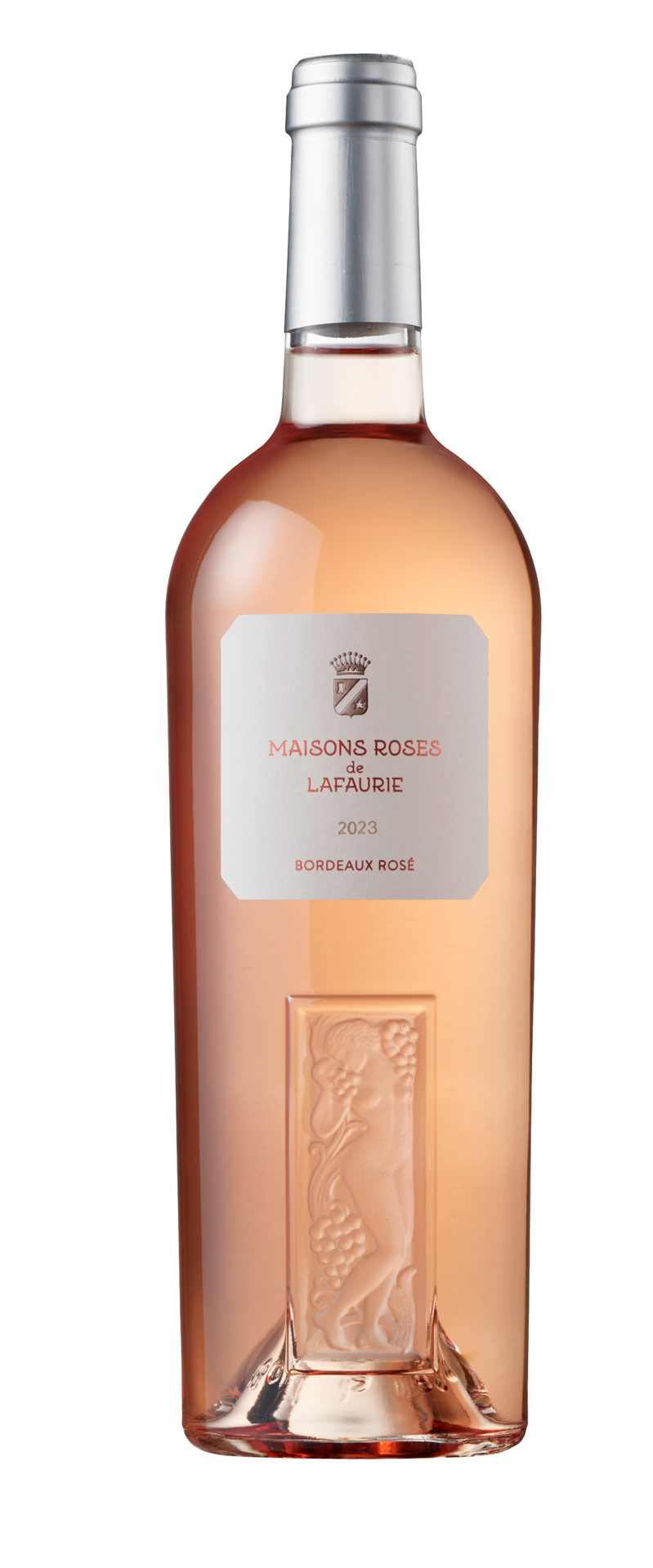
On the subject of crystals, Chateau Lafaurie Peyraguey in Sauternes also makes a very limited production of rosé, 100% Merlot made in collaborations with their Dubourdieu neighbours. Maisons Roses de Laufaurie is bottled in the same beautiful Lalique inspired bottles featuring the 1928 «Femme et Raisins» as the Grand Vin of the property. Mainly available in their restaurants, you’ll just have to go to the Lalique restaurant at the chateau for a taste. Not a hardship.
Right Bank Rosé
Château Clinet is a famous name of Pomerol and, as befits the appellation, has a limited production. Ronan and Monique Laborde wanted to produce a wine that could reach a broader audience and in 2009, started working with growers across the right bank to launch Ronan by Clinet. It’s now available in red, white and rose. The rosé is 95% Cabernet Franc and 5% Merlot, with a fun label clearly differentiating it from its more serious sibling

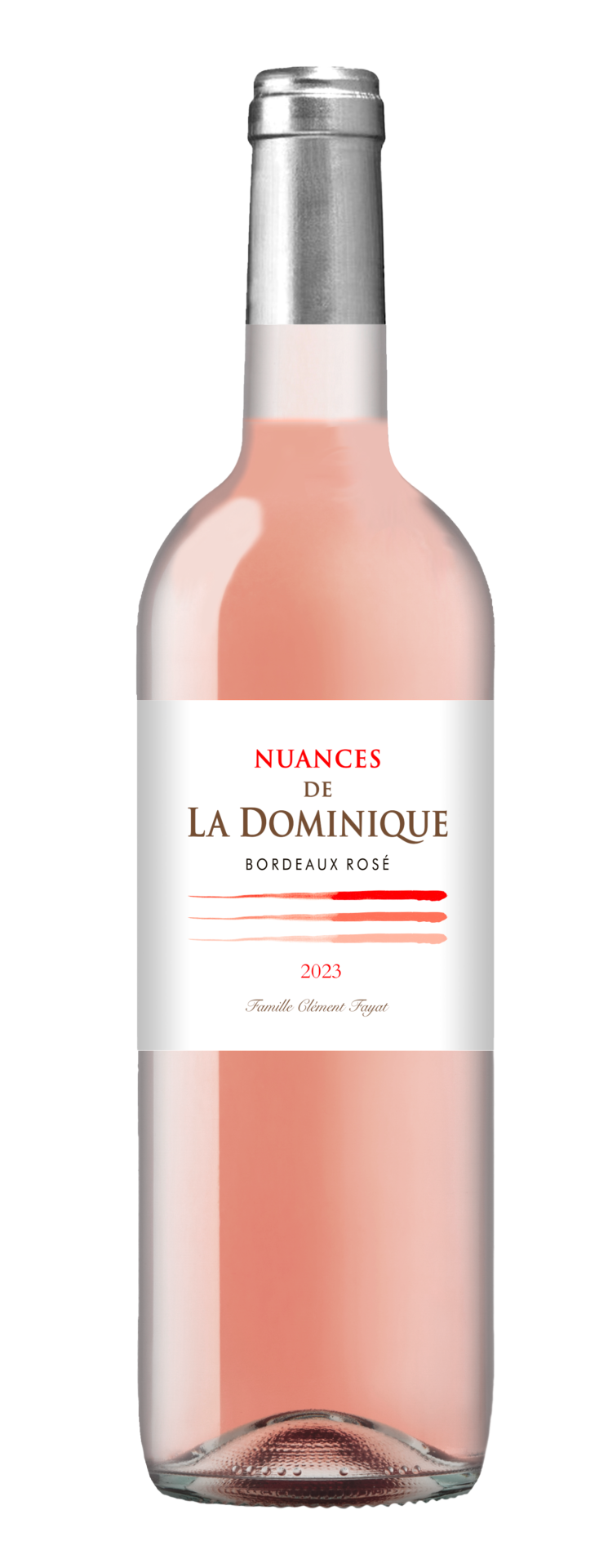
In Saint Emilion, Classified growth Château La Dominique produce Nuances, their 95% Merlot, 5% Cabernet Sauvignon rosé. Launched with the 2021, the 2023 is their second vintage. Perfect to sip on the terrasse of their restaurant, right above the cellars where the wine is cool fermented in stainless steel vats.
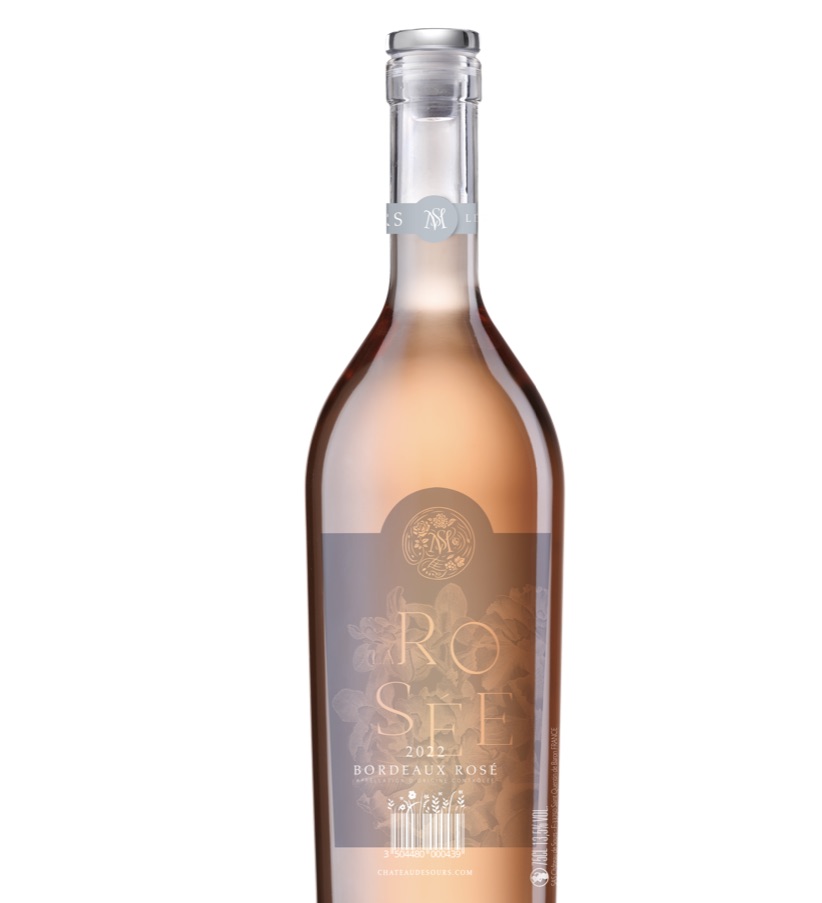
In the Entre de Mers, Chateau de Sours established its reputation as a rosé producer at the start of the Bordeaux rosé revolution thanks to Martin Krajewski and his wine maker daughter Charlotte, who continue to make excellent Rosé at Clos Cantenac. In 2015, Hong Kong businessman Jack Ma, purchased the estate and transformed it, but they still make Rosé, within a broader range of wines. For Les Essences manager wine maker Sébastien Jacques has chosen non-Bordeaux slim glass stoppered bottles, with a very floral bar code on the back of the bottle, designed to appeal to a younger and French clientele. They also make a delicious brut Sparkling Rosé.

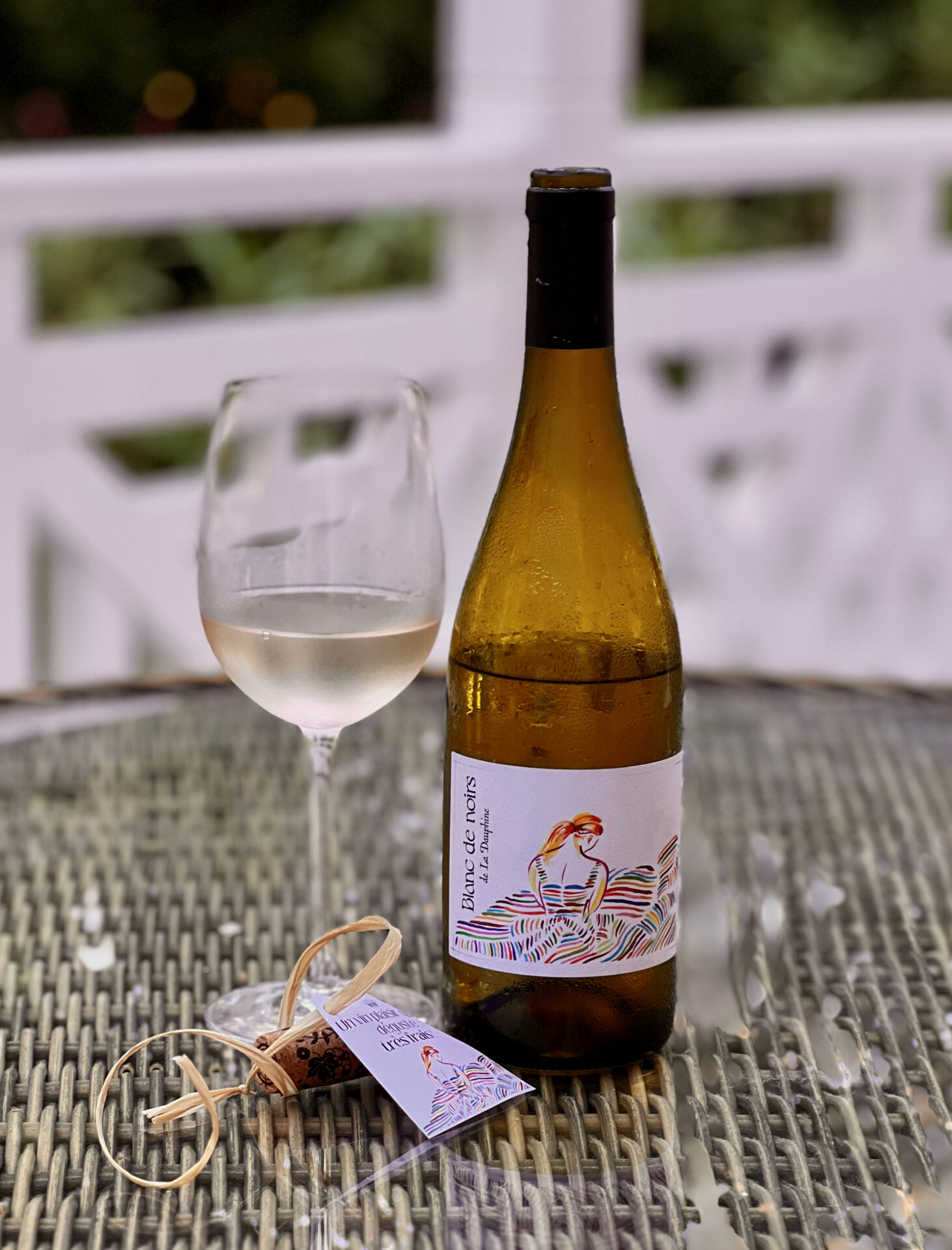
Chateau de la Dauphine in Fronsac produced their first Blanc de Noirs de la Dauphine with the 2023 vintage. Organic like the other wines of the property, this 100% Merlot from a specific 2ha plot has the palest suggestion of pink and is marked by fresh red fruit aromas reflected in the very colourful label. The Château also makes a more traditional, pale Cabernet Franc, Merlot blend Bordeaux Rosé and has a small production of classic Sauvignon Semillon Bordeaux dry white alongside their Fronsac reds.
The ever inventive and dynamic Pierre Cazeneuve at Chateau Paloumey in the Haut Medoc released his first white wine, a Blanc de Noir, with the 2023 vintage. 67% Cabernet Sauvignon and 33% Merlot, as you would expect from the Medoc, he aged 20% of the wine in oak barrels for 6 months to give a little weight, blended with the rest of the wine aged in stainless steel.
He’s also seized on this launch to experiment with consignment for his bottles. He used a water soluble glue so labels wash off easily, allowing bottles to be reused rather than recycled, something he hopes to expand to all his wines. A philosophy that perfectly aligns with his organic certified vineyard and his engagement with agroforestry.

Pierre recommended I try another Blanc de Noirs, Blanc Pirate from the Listrac Co-op further north. The 100% de Merlot was sold out before I could get there ,hich I’m taking as a good sign for the future of these light and light hearted wines that are perfect for summer drinking.
If you enjoyed this post, sign up here to receive future blog posts and share with a friend. Learn more about Bordeaux with Bordeaux Bootcamp, and explore Wine and Wellness, with The Drinking Woman’s Diet . You can read more of my stories from Bordeaux at Decanter or say hi here.