From the Cradle to the Graves.

Continuing my exploration of Dry White Bordeaux, today we’re in classic white wine country. Known as the cradle of fine Bordeaux thanks to its long history, the Graves region of Bordeaux sits south of the city of Bordeaux, on the left bank of the Garonne River. 

The Cradle of fine Bordeaux. 

Vineyards were first planted on the edge of Bordeaux city over 2,000 years ago. In the Middle Ages, as the success of Bordeaux grew, with wines shipped to England and then northern Europe, the vineyards extended south into the Graves.

In the 17th century, Graves wines were produced on gravel outcrops, unsuitable for other agriculture but, well drained and warmed by the sun, they were perfect for vines. By the 19th century, the vines reached from the city as far south as far as Langon.

Claret or Clairet?

Up until the 17th century, many wines were produced on heavier soils, or ‘palus’ near the water. The wines were light and acidic, destined mainly for the Dutch and British merchant navies. (It was safer to drink wine on board rather than the water). These lighter red wines were known as Clairet, a version of which is still produced today. 

In the 17th century techniques of ‘topping up’ and using sulphur were introduced to protect against oxidation. These more powerful wines, destined for the English market became known as ‘The New French Claret’. Arnaud de Pontac, owner of Chateau Haut Brion, championed this new style of wine in his London Tavern ‘The Pontacs Head’, possibly the first example of direct wine marketing.

These Graves wines dominated Bordeaux production until the 18th century, when, after drainage and investment in the Medoc, the region started to overshadow Graves production. 

The problems of odium and Phylloxera in the 19 century and the frosts of 1956 hit the region hard. Added pressure from the expansion of the city reduced the area of vineyards.  

A Class act .

Almost 100 years after the 1855 classification that only included one red Graves and no dry whites (although 27 Sauternes and Barsac were included), the Graves growers introduced their own Graves Classification. 

The Classified growth of Graves, red, white and both

Created on 7th August 1953, and completed on 16 February 1959, it differed from the 1855 classification in two important ways. Unlike the five level hierarchy in the 1855 classification, there is only one level in the Graves; you either have it or you don’t. More importantly for our discussion today, it included dry white wines as well as red. There are 16 Chateaux producing 13 red wines and 9 dry white wine, with six lucky ones classified for both.

The classified growths represent about 20% of the volume of production of the appellation and Graves remains the only Bordeaux wine region with a dry white wine classification.

Divide and conquer 

All 16 classified Chateau are situated in the Pessac Léognan appellation, even though it did not exist at the time. In 1987 the Graves was divided into two, creating a new ‘communal’ appellation: Pessac-Léognan, taking its rather unpronounceable, name from two villages (or communes’) out of the 10 included in this northern part of the region.

The desire was to identify the historical terroir in the northern Graves but more importantly to protect it from urban sprawl. 

Urban vineyards

Chateaux did survive the crisis, it is surprising now to see the green oasis of vines amongst the suburbs of the city that are Chateau Haut Brion, La Mission Haut Brion, Les Carmes Haut Brion, Pape Clement and Haut Brana in Pessac – along side the university buildings and Chateau Luchey Halde and Pique Caillou in Merignac.
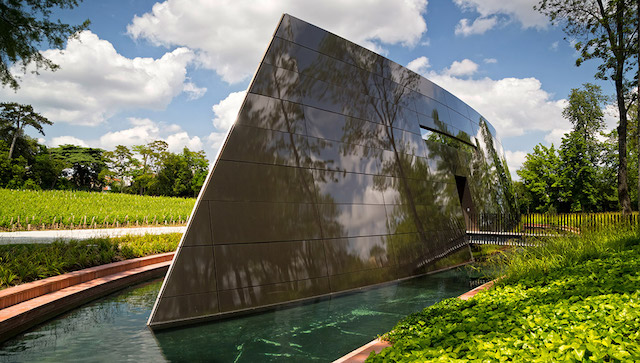
Les carmes haut Brion, an urban vineyard.

Today the global surface of production accounts for over 1,600 hectares. The majority of the great quality terroirs are today placed in zones, which can no longer be built upon.

The two appellations together cover almost 4,000 ha running 60 kilometres from Bordeaux in the North to south of Langon surrounding the Sauternes and Barsac appellations. 240 wine makers produce about 20 million bottles in Graves and about 9 million in Pessac Léognan.

Pessac Léognan represents a third of the surface area and 50% of the turn over with 20% of its production as white wine.

A sense of place.

Graves is the only Bordeaux appellation named after its terroir. In English, Graves means gravel. Layers of poor gravelly and sandy soils have been laid down thanks to the shifting bed of the Garonne river. The area is run through with clay washed down by smaller rivers and streams, tributaries of the Garonne. 

It’s not unusual to find multi-coloured quartz, jasper, agate, fossils and flints in the vineyards. At Château Smith Haut Lafitte, they have a diverse collection of stones found amongst their vines.
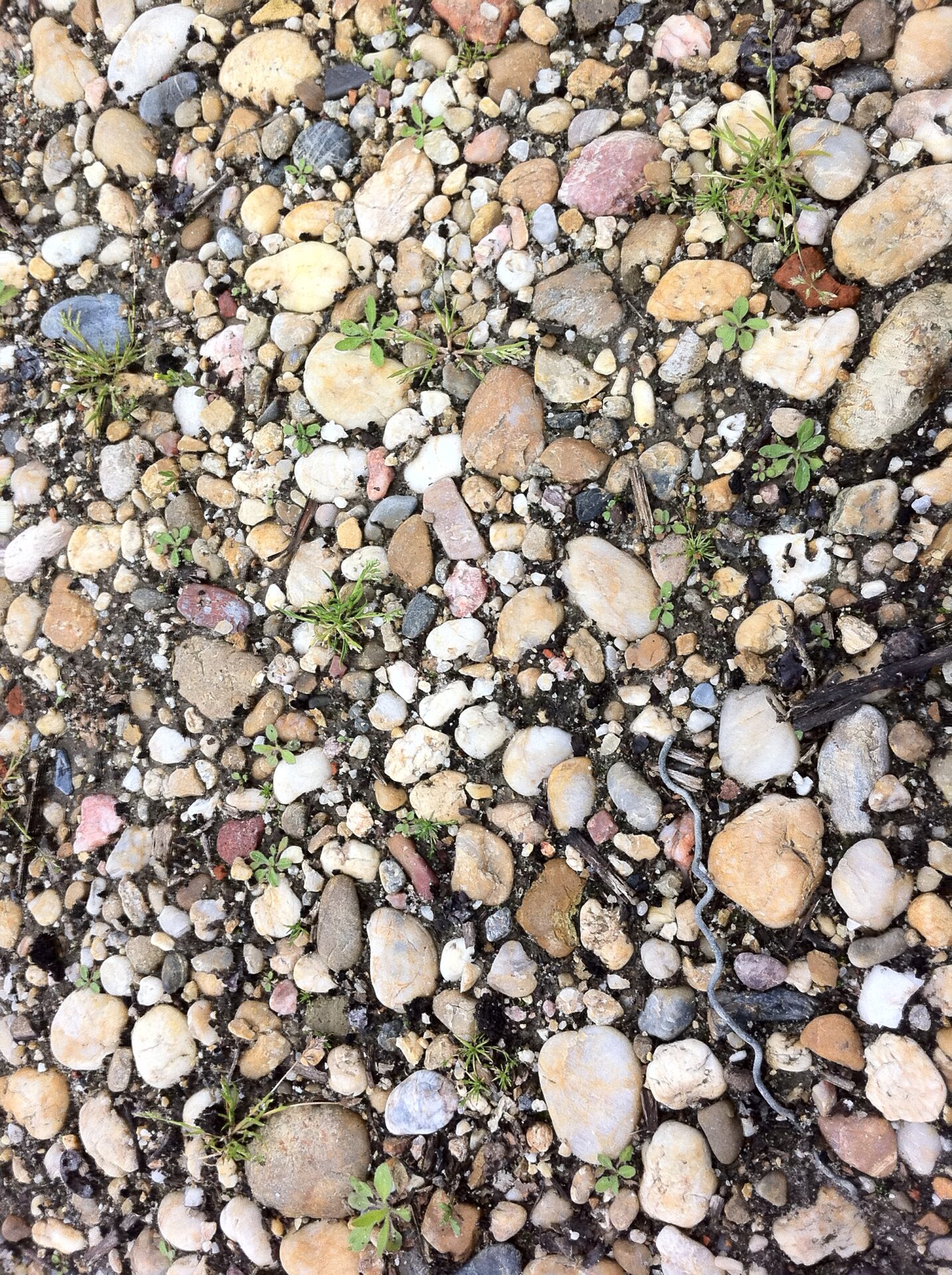
Multi-coloured gravel of Pessac Leognan

It is this diversity of soils that make the region as famous for its red as its white, meaning both Cabernet and Merlot flourish here alongside the Sauvignon Blanc and Semillon. 

Climate.

There are two natural climate regulators, the Garonne to the east, which protects from frost, and the Landes forest to the west, which acts as a barrier from Atlantic storms. In the north Pessac Léognan also enjoys a slightly more moderate microclimate thanks to the proximity of the Atlantic Ocean.  

White Graves. 

The whites are an elegant blend of Sauvignon Blanc for freshness and aromatic complexity and Semillon, which gives a rich and smooth weight when fermented and aged in oak have the complexity to allow them to mature well. 

Graves whites have the reputation of being more complex than the classic Bordeaux Blanc. Where does this complexity come from?

The terroir of course, but vines tend to be cropped lower, increasing concentration, and are often barrel-fermented and aged. Fermenting and ageing white wines in oak adds roundness and structure to the wine. Stirring up the wine in the barrels, bringing the lees* back into suspension, helps protect the wine from oxidation and gives roundness to the mouth feel and reinforces the wonderful ageing potential of Sémillon. 

Five White Graves to try.

My very first visit to Bordeaux, in the early eighties, was to the Graves, more precisely to Pessac Léognan. I was visiting from Paris for my thesis on Bordeaux marketing. The owner of Chateau Carbonnieux, Antony Perrin, along with Jean-Jacques de Bethmann of Chateau Olivier and Bernard Thomassin of Chateau de France each took the time to explain in detail, to a foreign student, the workings of the system of the Bordeaux market place ‘La Place de Bordeaux’.

Sadly, none of these gentlemen are still with us today but their wines are and their legacy continues with their children continuing to make great wines. 

Pessac Léognan 

Some of the top classified growth of Pessac Léognan can be pricey, but not all. Château Olivier is a personal favourite that still remains good value, although the word seems to be out now so prices are deservedly creeping up. This romantic, moated property bear witness the history of the region. Dating back to the Middle Ages, it has belonged to the de Bethmann family since the 19th century, and is classified for both white and red. The white hovers around 75% Sauvignon, which the barrel fermenting and aging on the lees rounds out beautifully. 

Château Carbonnieux is another ancient estate, founded in the 13th century by Benedictine monks. The bottle is easily recognisable by its scallop shell motive, the symbol of pilgrims on their way to Saint Jacques de Compostella. Both an historical monument and a family home, it was in a sorry state when purchased by the Perrin familyafter the tragic frost of 1956. They have restored both the Château and the reputation of the wines. Classified for both the red and the white, this large, 170 hectare estate is farmed sustainably and almost half the surface area is under white, 35% Semillon for 65% Sauvignon. 

Not all Pessac Léognan is classified, hidden amongst the famous names are gems to be discovered. Château de France is one. Just 10% of the vines are under white grapes. 80% Sauvignon and barrel aged they are worth looking out for.

Graves 

Not enjoying a classification, the Graves whites tend to be more affordable which makes them all the more exciting to search out.
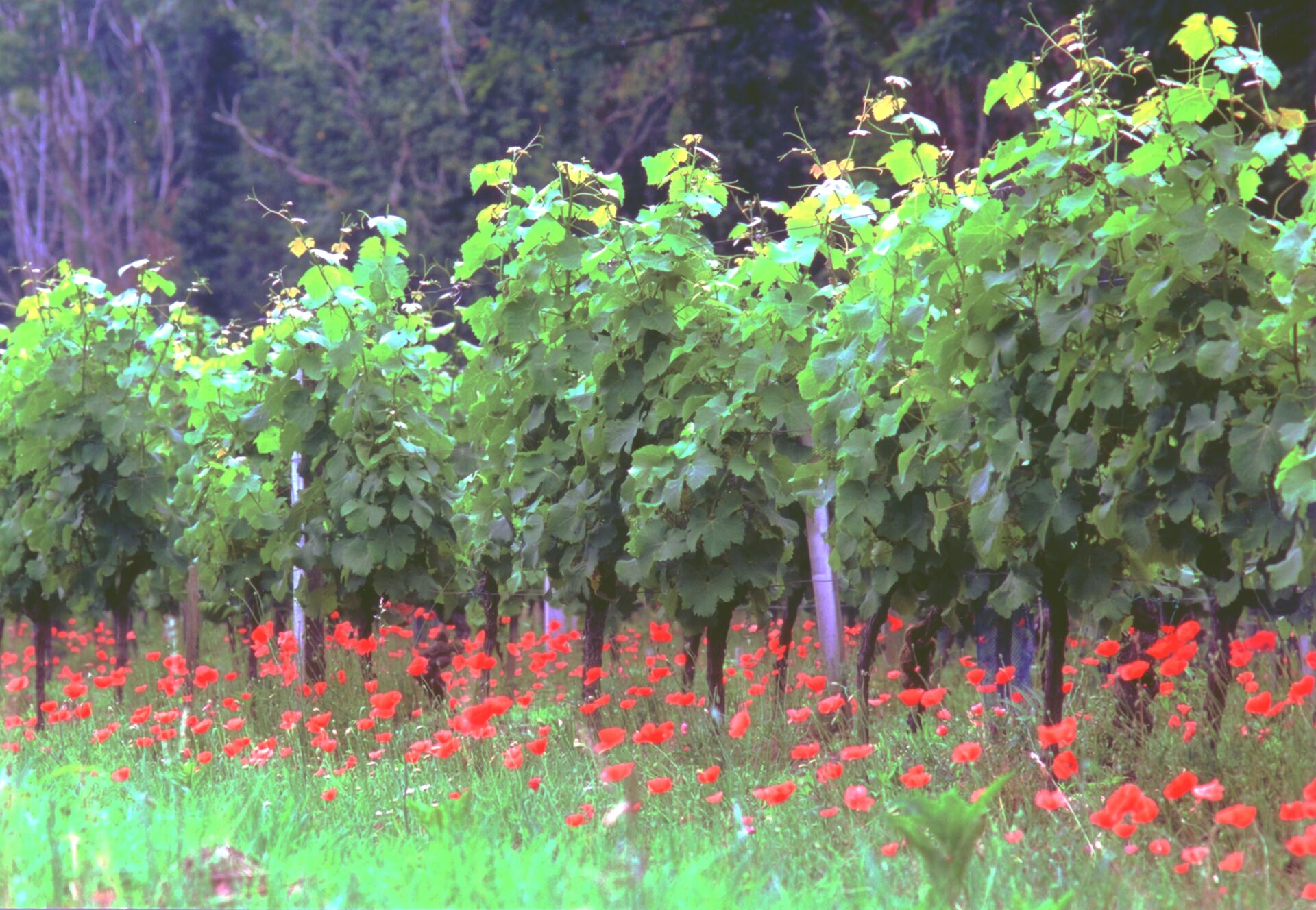
Organic vines at Chateau du Seuil in the Graves

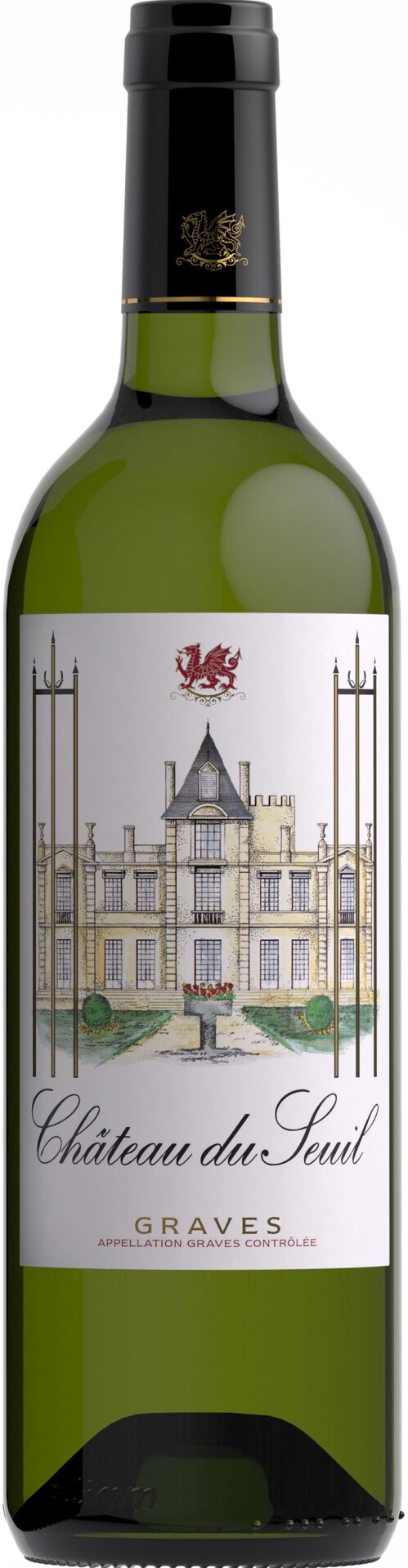
Château de Seuil is in Podensac, at the limit of Barsac. Just under six ha of this Graves property is dedicated to organically farmed white vines. Made by the Welsh – New Zealand owners, the Sauvignon Sémillon blend is stainless steel fermented and aged on the lees also in stainless steel to keep its freshness and vibrancy.
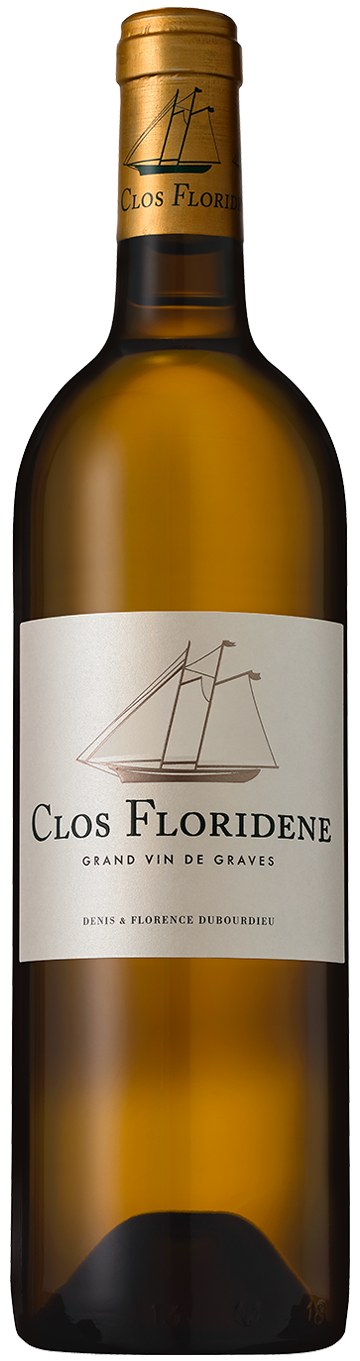
In the 1990’s, Denis Dubourdieu at the Bordeaux Faculty of Oenology discovered the secrets behind the he aromatic complexity of Sauvignon Blanc, become known in Bordeaux as the ‘Pope of white wines’ and is credited with the dramatic recent increase in quality. Clos Floridene is one of his family vineyards, now run by his sons. When the family bought the property in 1982, it was just two hectares of old Sémillon and Muscadelle, it has grown over the years and now also produces a red Graves.  For me, the dry white remains the star, stunning and excellent value. A suitable tribute to the man responsible for the rebirth of quality dry white Bordeaux. 
If you have enjoyed this post please sign up here  to receive future blog posts directly to your inbox. If you would like to learn more about Bordeaux, you can buy your copy of Bordeaux Bootcamp here, to learn more about Wine and Wellness, you can buy your copy of The Drinking Woman’s Diet here. 

* Lees are the deposits that fall to the bottom of a barrel during fermentation and ageing, made up mainly of dead yeast cells produced during fermentation. Lees are protein; as they breakdown giving that feeling of fatness they also protect the wine from oxidation. 

Title picture, a snowscape of the vineyards of Château Olivier.

Sauternes Sec?

In 2012 I asked the question, ‘Is Barsac and Sauternes the perfect dry white terroir?’ It would seem so, since then several excellent new dry white wines have been released that are well worth your attention. 

In the article I mentioned La Demoiselle de Sigalas from Château Sigalas Rabaud in Sauternes, Opalie from Château Coutet in Barsac and of course the alphabetical classics of Sauternes, G de Guiraud, R de Rieussec, S de Suduiraud, not forgetting Y d’Yquem. 

What is interesting with the newcomers is the increased importance given to Semillon. Sauvignon Blanc makes up a high percentage dry white blends across Bordeaux, but the classy and classic Pessac Léognan and Graves have always had an important part of Semillon in their blends. 

Semillon dominates Sauternes and Barsac of course, thanks to the elasticity of its skin, which makes is particularly sensitive to Botrytis. It’s unsurprising that it is favoured in the dry whites made by the Sauternes wine makers. 

Back to the future.

Producing dry white wines in the region is nothing new, Château Doisy-Daëne in Barsac can trace dry white production back to the early 1950s, although today the Le Grand Vin Sec du Château Doisy Daëne is 100% Sauvignon, in no small part due to the influence that Denis Dubourdieu has had on the excellence of Sauvignon Blanc in the region. 

Grand Vin sec de Doisy-Daene

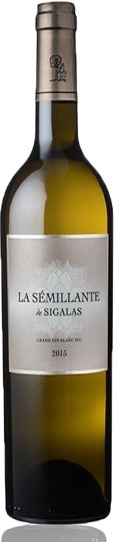
One of the first champions of dry Semillon in Sauternes is Laure de Lambert, owner winemaker of first growth Château Sigalas Rabaud. She introduced a dry white wine when she took over the family property, the Demoiselle de Sigalas, which hovers around 70% Semillon, then in 2013, she released her La Sémillante, 100% Sémillon. 

La Semillante

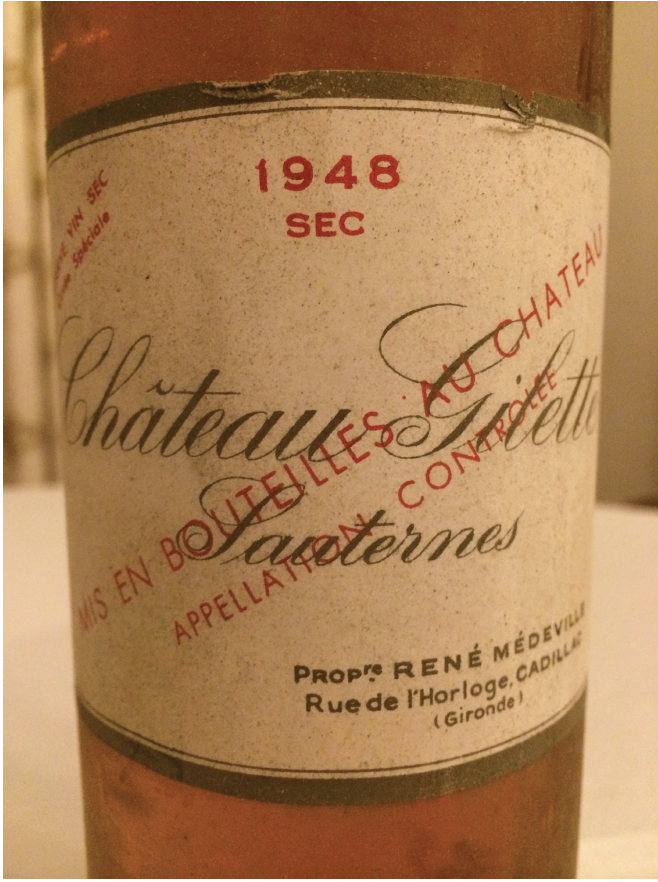
In researching dry Sémillon wines, Laure was inspired by the staying power of Sémillon wines from Pessac Léognan, but also from Sauternes. She tasted a Château Gilette labelled as a ‘Sauternes Sec’ from 1948. Known as the ‘Antiquaire de Sauternes’, Gilette only releases wines once aged for 20-odd years in tanks and a couple more years in bottle. 

Sauternes Sec from Chateau Gilette in 1948

A newer arrival on the Sauternes scene is Silvio Denz. He purchased first growth Château Lafaurie Peyraguey in 2014. The previous owners, Suez had already renovated the cellar but Denz set about renovating the chateau into a splendid 13-room hotel and Michelin star restaurant. He also reintroduced dry white wine to the property. Back in the 1950s, under the ownership of Cordier, the château produced a dry white, bottled  in an Alsace bottle, reflecting the family origins. Carefully selected from certain plots, originally with the help of Denis Dubourdieu, they favour a Sauvignon dominated blend, looking for a lightness of touch and elegance,  also the signature of their Sauternes.

and dry in 1957

Château Lafaurie-Peyraguey Grand Vin Blanc Sec is presented in a bottle embossed with the Rene Lalique ‘Femmes et Raisins’ motif, as is the Sauternes, but differentiated by its bronze colour. In 2019, they released a clear glass magnum edition, quite the table piece.

A work of art inside and out, grand Vin sec from
Chateau Lafaurie-Peyraguey

2018 was the first vintage of Asphodèle, the dry white from Château Climens in Barsac. Bérénice Lurton, the owner wine maker, is no newcomer in Barsac; she is a pioneer in biodynamic viticulture at her family vineyard. Her 100% Semillon wine is made from grapes selected from plots of younger vines and subject to the same stringent quality and biodynamics as her Barsac wines. 

Asphodèle from Chateau Climens in Barsac

Why so many new wines?

I’m the first to rave about the fabulous ‘liquoreux’ wines of Sauternes and Barsac; it was these wines (or rather a producer of them) that brought me to Bordeaux in the first place. There is sadly no denying that demand for these wines has seen better days. It’s a mystery to me why more people don’t drink them more often. I have never served a glass of Sauternes or Barsac to guests unfamiliar with them without them commenting, ‘Oh this is delicious’ with a note of surprise. 

Historical heyday. 

The heyday for these wines was the 19th century, when the Bordeaux classification gave 27 of them classified status. That’s a lot compared to 61 in the Medoc, on a much larger surface area. The classification is limited to the top three levels, compared to five levels in the Médoc. Château d’Yquem, was only vineyard to be awarded the highest accolade of Premier Grand Cru Supérieur, lording it over Lafitte, Latour, Margaux and Haut Brion with ‘only’ first growth status. The 1855 classification was based uniquely on sales price, a clear indication of their 19th century success, thanks in no small part to a flourishing pre revolution Russian market. 

Why not? 

Why are these beautiful wines less popular now? A change in consumer habits? The public certainly hasn’t lost its sweet tooth, sugar consumption as never been so high, but there is a move away from sweet wines. Perhaps there is a memory of tasting a sticky ‘Spanish Sauternes’ back in the day when other wines would appropriate the name, adding sugar to wine that in no way resembled the balanced acidity of the real thing. There is a fear of not finishing a bottle once opened. You don’t need to worry, they last for at least a couple of weeks in the fridge on opening. What to pair them with? They are remarkably versatile, or drink them alone as a pre-dinner or after-dinner drink. I think there is a misconception about these wines; I come back to my delighted guests. These complex, low yielding wines remain remarkable value for money. Go out and buy and drink some today!

Commercial reality.

The difficulty of relying on sales of sweet white wines, to a fickle clientele is hard, even for a property as famous as Yquem.  The expense of production, the low yields and the extreme climate sensitivity essential to create the unique combination of warmth, humidity and drying breezes winds needed for the Botrytis magic to operate, mean these wines are expensive, difficult and unreliable to produce. Increased climate variability is making these already vulnerable wines even more so. The terrible frosts across France last week hit the region very badly.  

Producing a more reliable and more approachable wine in the range, such as a dry white, is a welcome steady source of income for some of these properties.

Sauternes Sec

Just as we’ve seen in previous posts for Médoc and Right bank, no specific appellation exists for dry whites produced in Sauternes and Barsac. The wines are labelled “Bordeaux Blanc” or “Bordeaux Blanc Sec.” All the more surprising here as the region is known for it’s excellent white wine terroir, from the rolling limestone and gravel outcrops of Sauternes to the limestone, sand and clay of Barsac. This, despite the use of ‘Sauternes Sec’ seen on some older labels. Will this change? There are two schools of thought, fear by some that it will dilute the Sauternes brand and confuse customers, frustration by others that these special wines are not valued enough if only labelled as Bordeaux Blanc.

Graves

A compromise could be to use the Graves Appellation. Sauternes and Barsac are at the southern tip of the Graves appellation that runs South from Bordeaux. Graves is an appellation for both red and dry white and also a semi-sweet white Graves Supérieur (a tiny and almost impossible wine to find). Some properties do have land on the Graves. Chateau de Malle, a second growth of Sauternes, has land in Graves which enables it to bottle its dry white and red under the Graves appellation, as can properties in the sweet white appellation of Cérons region, which is also in the regional Graves appellation. 

The co-presidency of the Sauternes and Barsac growers association was recently handed over to two local personalities; Jean-Jacques Dubourdieu, co-owner and wine maker of Château Doisy Daëne, and David Bolzan GM of Lafaurie Peyraguey. It sounds like they already have a lot on their agendas, perhaps this is amongst them? 

A gateway drug.

In the meantime I encourage you to try one of these dry Semillon driven wines, if you’re not already a fan of sweet white Bordeaux, they could just be your gateway drug to one of the finer tasting experiences of Bordeaux.

If you have enjoyed this post please sign up here  to receive future blog posts directly to your inbox. If you would like to learn more about Bordeaux, you can buy your copy of Bordeaux Bootcamp here, to learn more about Wine and Wellness, you can buy your copy of The Drinking Woman’s Diet here. 

White Wash II. The right bank

Continuing the theme of white wines in red appellations, Iet me take you to the right bank.  Defining the right bank in Bordeaux is complicated; there are two major rivers and an estuary, that’s a lot of right bank. For the purposes of this article the ‘Right Bank’ is the right bank of the Dordogne, covering the traditional red wine enclaves of Saint Emilion, Pomerol and Fronsac. 

There are ten appellations in all, including the Saint Emilion Satellites and Lalande de Pomerol and all of them are only applicable to red wines. Just as with the Medoc, any whites made here take the Bordeaux Blanc appellation, vin de France or, as we’ll see, the IPG Vin de l’Atlantique. Together, the ten appellations cover 12 000 ha, smaller than the Medoc, but with a very different terroir. Without the influence of the estuary and ocean the climate is more continental, tending to colder winters and warmer summers, and, with the exception of gravel in Pomerol, the soils are mainly clay and limestone. Cooler soils suitable for white vines as well as the signature Merlot of the region. 

Saint Emilion is known as the land of a thousand chateaux as properties are small, an average size of 8 ha. White wines are unusual in the prestigious appellations. Without a specific appellation, producers struggle to justify as high a price for their whites as for their reds, with a couple of notable exceptions where the brand is better known than the appellation. 

Many white wines made by Saint Emilion winemakers are made off-piste – or rather off-appellation in vineyards on the periphery of the appellation, but there are some exceptions.

Saint Emilion 

With a name like Chateau Cheval Blanc it seems obvious they would produce a white wine and they haven’t disappointed. With the 2014 vintage, Le Petit Cheval Blanc joined the second red wine of the property Le Petit Cheval. Although they’ve been experimenting since 2009, 2014 was a cool vintage so a great year to start. Grown on seven hectares of land that was part of Château La Tour du Pin Figeac, bought from Moueix in 2008. These plots are now integrated into Cheval Blanc and have been re grafted with white vines on the red roots.

The white wine is aged on lees for 22 months in different sized oak barrels. That’s a very long ageing; aimed at giving an elegant expression of Sauvignon Blanc, a wine that can and will improve with age, as do the great Pessac Léognan wines. 

le Petit Cheval Blanc – it had to happen;

Château Monbousquet was the first property to (re)plant white wines in the Saint Emilion Appellation in 1994. The Perse family bought the property in 1993, before they bought Château Pavie in 1998. The tiny plot of 1.5 ha is planted in 65% Sauvignon Blanc, 35% Sauvignon Gris, 5% Muscadelle and 5% Semillon, and the wine is easily recognisable by its unusual bottle shape.

Easily recognizable Château Monbousquet

Family run Château La Grace Fonrazade also makes a dry white in the heart of Saint Emilion, unusually a 100% Sauvignon Gris (another one to add to my mono-cepage post). 

Benoit Trocard is the 15th generation of a right bank winemaking family. In 2001 aged just 23, he returned from making wine in Australia to manage Clos Dubreuil, high on the limestone plateau of Saint Christophe des Bardes above Saint Emilion. He brought with him a passion for Chardonnay and in 2010 he planted just under one hectare of Chardonnay releasing his first Dubreuil Chardonnay in 2013.

One of an increasing number of Chardonnays hidden in Saint Emilion.

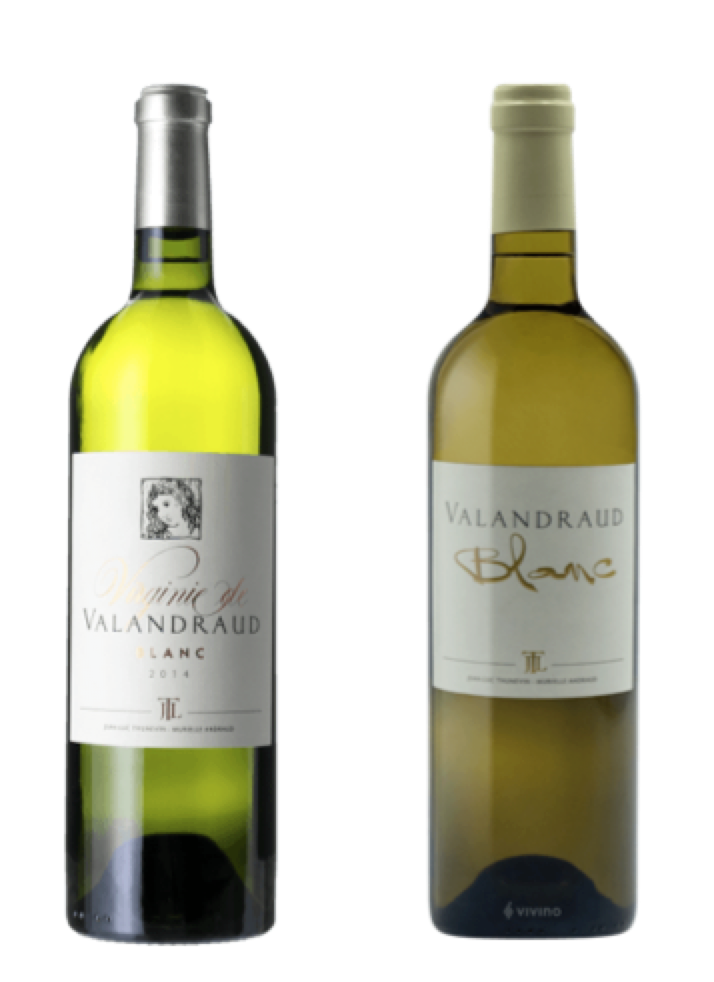
It’s not surprising that the ‘Bad boy’ of Saint Emilion, Jean Luc Thunevin  would try his hand at white wines. In 2000, the owner of the original Garage Wine Château Valandraud, and his wife Murielle Andraud, produced their first vintage of white wine in 2003. They have four hectares across several plots of Sauvignon Blanc, Gris and Semillon clay planted on limestone in the Saint Emilion appellation. Starting with the label Valandraud N° 1 and then adding N° 2, the wines are now sold under the Valandraud Blanc and Virginie de Valandraud Blanc labels. Showing his rebel credentials, in 2011 he also planted a small plot of Chardonnay which he ferments and ages on the lees Burgundy style. It is sold as a Vin de France under the Bad Boy label.

Two whites from the Valandraud stable

There are a few whites produced in the Saint Emilion Satellites; the four appellations surrounding Saint Emilion dominated by cooler limestone soils. In Lussac Saint Emilion Château Larose Perrière produces a Bordeaux Blanc and Chardonnay from vines planted in 2007, on the cooler north side of the property, chosen specifically to preserve the freshness and minerality of the white varieties. 

Pomerol 

Pomerol is both prestigious and small, just under 800 ha of unique gravel and sandy soils mixed in with the famous blue clay. 

As far as I know there are no white wines produced on the Pomerol terroir (I could be wrong. Please share if you know of any). 

This is hardly surprising given the price of the land, and the price of the red Pomerol wines they produce. A recent, well researched, update from specialist Alexander Hall of Vineyard Intelligence, gives a ball park range of €2 million to €8 million per hectare, depending on location. A famous estate would benefit from a significant premium. Bottles of Petrus can reach thousands of euros a bottle, which is the exception, but other reds can hover around hundreds, depending upon the vintage.  

Château Clinet is one of those top Pomerol estates, situated on the famous plateau with 11 ha planted uniquely to red.  Ronan Laborde took over the family property in 2004. Wanting to expand but limited by available land in Pomerol, he launched Ronan By Clinet in 2009 using red Bordeaux sourced from vineyards on nearby right bank appellations. Crafted by the same team as Clinet in an ultra modern wine cellar, just a stone’s throw from the Chateau. In 2012 he added a Bordeaux dry white Ronan by Clinet White to the brand, with wines selected from vineyards in the Entre deux Mers. 

Ronan by Clinet white

Another prestigious Pomerol producer also producing a white wine, but not on their doorstep, is Château La Fleur.  Since 2013, the owners Jacques and Sylvie Guinaudeau have been making white wine at Château Grand Village in Fronsac. In the family since the 17th century, white vines were replanted in the 1990s producing Le Blanc de Grand Village, a Sauvignon driven blend. In 2010 they planted Sauvignon Blanc vines selected from Sancerre, producing a white cuvée under the label Les Champs Libres. The grapes are whole bunch fermented and aged for nine months in Burgundian barrels. It’s eclectic; Bordeaux, Sancerre and Burgundy all in one bottle!  The first vintage was 2013.  

Les Champs Libres, 100% sauvignon but a blend of Bordeaux Burgundy and Sancerre.

Fronsac is starting to sound like an ideal white wine terroir. Château de La Dauphine released their first white vintage with 2019. A Sauvignon, Semillon blend planted on less than a hectare of limestone and certified organic just like their red wine.  Production is tiny by size but also yield, with just of 10 hl/ha producing only 500 bottles.

Organic Bordeaux Blanc from Chateau de la Dauphine in Fronsac

 Also in Fronsac, Sally Evans has just released her brand new white wine from Château George 7. Sally has been in Fronsac since 2015, releasing her first full vintage in 2018 (the harvest 2017 was hit by frost).  She has just released her first, 2020 white vintage. A classic Sauvignon, Semillon blend of just 1 500 bottles it ages for six months in Burgundy barrels. The gorgeous labels printed on recycled paper (as befits her green philosophy) are inspired by her mother’s wild flower drawings representing some of the 13 species that grow in and around the vines representing the biodiversity she encourages.

Almost but not quite 

At a recent visit to classified growth Château Fonplegade, I was pleasantly surprised to be welcomed at the door with a glass of white wine. Seeing my confusion, the winemaker quickly explained that no, this wasn’t from the vineyard but from the owner’s Napa Vineyard Adamvs. It’s certainly an original way to start a Saint Emilion wine tour and tasting!

lOther well-known wine makers are making wine outside their traditional appellations. Since 2016, Hubert de Bouard of Château Angelus alongside his daughter Coralie, is producing a varietal range using fruit from their own plots and from other nearby terroirs. The range includes a Sauvignon Blanc, a Semillon, both AOC Bordeaux, and a Chardonnay under the IGP Vin de Pays de l’Atlantique.

The Fritegotto family, owners of Château les Plagnolles in Saint Emilion, make white Bordeaux at chateau Tour de Beauregard and Château Premarin just on the outside of the Saint Emilion appellation on cooler soils close to the Dordogne River. 

Nearby the de Malet Roquefort family, owners of First Classified growth Château la Gaffelière are producing a white Bordeaux on three hectares of their Entre deux Mers property, Château Chapelle d’Aliénor.

Le Nardian from J Malthus of Le Dome fame is another white made by a renowned Saint Emilion Wine maker in the Entre deux Mers. Low cropped on just 1.80 hectares, planted in 2006 on clay and limestone soils, it is unusual by its high, 20% per cent, of Muscadelle alongside the more classic Sauvignon and Semillon.  It was inspired by a wager between their now-retired Consulting Oenologist, Gilles Pauquet and Malthus that low-cropped white vines would see similar benefits to a red wine. The first wine was produced in 2000, the Muscadelle – a cousin of Viognier;by low cropping it they aim for a Rhone-style aromatic quality. They also produce a more classic Bordeaux Blanc Le Pezat as a second wine 

White Wild West.
The right bank has always been known for innovation. The garage wine movement started here with wines like Château Valandraud and Le Dome. These producers introduced, low cropping, severe selection, cool prefermentation maceration and so much more. Frowned on by many at the time, they are now common practice across Bordeaux. They were champions of lots of new oak too, a practice that no longer seems to be in vogue, but certainly shook things up in the 1990s. 

Is this innovation encouraged by the smaller vineyards, the fact many are family owned or with new wine makers coming from diverse backgrounds? Perhaps it’s the versatility of Merlot or the fact that the classification changes every 10 years?  What ever it is, it seems to work for the whites too. 

With influences from Burgundy, Sancerre, Australia and even Napa it’s certainly open-minded. The wild west of Bordeaux whites?

Did you enjoy this post?  Sign up here  to receive future blog posts directly to your inbox. Interested leaning more about Bordeaux? Buy a copy of Bordeaux Bootcamp here, to learn more about Wine and Wellness, get your copy of  The Drinking Woman’s Diet here. For For more information on touring with me or an on line wine experience you can contact me here.

White Wash in the Médoc.

Bordeaux is famous for its red wines, whites representing just 10% of production, of which a tiny 2% is sweet. But, if you go back just 60 years, white wine represented over 50% of the region’s production. 

Why the change? 

There was a catastrophic frost in Bordeaux in 1956. The damage so was bad many vines died and had to be uprooted and replanted. This meant leaving land fallow for several years, then waiting at least three years before the new grapes could be harvested. Slow and expensive in costs and lost production.  

Red grapes replaced a lot of the damaged white vines, mainly Merlot in the cooler soils of the Entre deux Mers. Red vines were replanted too. Cabernets on cooler soils were also replaced with Merlot, which now dominates Bordeaux planting.

White vines are often more frost resistant than red, so should have been less affected. The replanting with red was also a reaction to market forces. As early as the mid 1800s, the fashion was moving away from dry whites to sweet, a trend that continued up until the late 1950s when, in turn, semi-sweet fell out of favour, and reds became more popular. 

The majority of off-dry, and probably pretty ordinary, white wines were hard to sell. This was before temperature controlled fermentation, many white wines suffered from oxidation and an over-reliance on sulphur.

By 1973, red production surpassed white.  

Renaissance 

The 1990s saw the renaissance of white wine in Bordeaux, largely thanks to Denis Dubourdieu and his team at the Bordeaux University. I remember sitting in his tasting class when I first moved to Bordeaux in 1989.

They identified the molecules responsible for the aromatic complexity of white wine, Sauvignon Blanc in particular. Their research lead to a better understanding of how to maximise the presence of these molecules in grapes, through agricultural practises and choice of terroir, but also how to preserve them during wine making, controlling techniques such as pressing, protecting against oxidation, temperature control, skin contact and lees stirring (battonage). 

The resulting white wines of Bordeaux have never been more delicious or such great value than they are today. I’m not alone in thinking so, on a recent BBR Blog, Barbara Drew MW said these wines ‘are astonishingly good value. Dry white Bordeaux is, in my view, the most underrated wine in the world. I couldn’t agree more. 

Nevertheless, white Bordeaux production remains tiny, and is decreasing. When I first arrived in Bordeaux it hovered about 13%, it is now only 10%!

What’s interesting is that white wines are popping up in unexpected places, away from their classic terroir. 

Revise your classics.

Bordeaux Blanc can be made throughout the whole of Bordeaux. The largest region for dry whites is the Entre deux Mers, (reds are made here too but only the whites can carry the Entre deux Mers appellation). Producers here can also use the Bordeaux Blanc appellation; the two appellations together make up 85% of white Bordeaux production. 

Graves and Pessac Léognan are the traditional, and oldest white appellations, home to the only classified dry whites in Bordeaux. 

In the South of the Graves Sauternes, Barsac and Cérons, are famous for the sweet whites of Bordeaux. A region also producing more and more delicious dry whites (more to come on this subject).

The right bank Cotes appellations are an interesting source of great value dry whites and some excellent sweet whites too, look for Cadillac, Loupiac and Saint Croix du Mont.

White Médoc. 

Despite there being no designated white appellation in the Médoc, there is a history of white wine here. Blanc du Médoc could be found on some labels up until the 1960s.

Moving the goal posts.

Château La Dame Blanche Now a Bordeaux Blanc.

Until the 1960s, Blanquefort, in the South of the Medoc, right on the outskirts of Bordeaux city, was in the Graves Appellation. The boundary was La Jalle du Taillan and du Blanquefort, a stream that runs through the vineyard of Château du Taillan and across the North of the Bordeaux golf course into the Garonne River. The Graves appellation now stops at the neighbouring town of Eysines. Armelle Cruse, co-owner and wine maker at Château le Taillan, Cru Bourgeois Exceptionnel in the Haut Médoc, explained how the property changed from Graves to Haut Médoc when the boundary moved. Historically their wines were sold as Graves, red and white. They still make a white wine, 100% Sauvignon Blanc Château La Dame Blanche, (fitting as the property is owned by five sisters) , but now a Bordeaux Blanc.  

Château du Taillan, between Graves and Haut Médoc

Médoc Whites to watch out for 

I’m aware of about 40 different white labels currently produced in the Medoc, not many considering that there are 1 500 properties in the eight appellation of the peninsula. These are all tiny production wines, hard to find, but well worth the search. Perhaps they are a bit of light relief from red wine making? There’s a lot of barrel or amphorae fermentation and ageing on the lees Burgundian (or Pessac Léognan?) style. 

Unlike their Graves and Pessac Léognan neighbours to the south, where Semillon is widely planted, Sauvignon Blanc dominates the whites of the Médoc. Sauvignon is a cooler climate variety, it thrives further north in Loire. Does the slightly more northerly location of the Médoc or the proximity of the Atlantic Ocean give a cooler microclimate that explains the majority 100% Sauvignon wines? 

Famous for its warm Gunzian Gravel soils close to the estuary, perfect for bringing red grapes to optimal maturity, the Medoc also has older, higher and cooler Pyrenean gravel to the west and patches of clay and limestone. These soils explain the importance of Merlot in the over all red blend of the region but are also the best terroir for whites. 

It’s not surprising that some of the oldest white ‘brands’, La Merle Blanc from Château Clarke and Le Cygne from Château Fonreaud are found on the higher, cooler terroir in western Listrac. 

A tale of two centuries 

Château Loudenne, further North in the Medoc appellation is probably the oldest continuous white wine producer in the region, making white Bordeaux since 1880. Selling consistently despite wavering demand, due largely to its success on the UK market thanks to the 19th owners, the Gilbeys. They have recently introduced a new Organic Bordeaux range, red white and rosé, Les Jardins de Loudenne.

A new take on an old tradition, Loudenne Les Jardins.

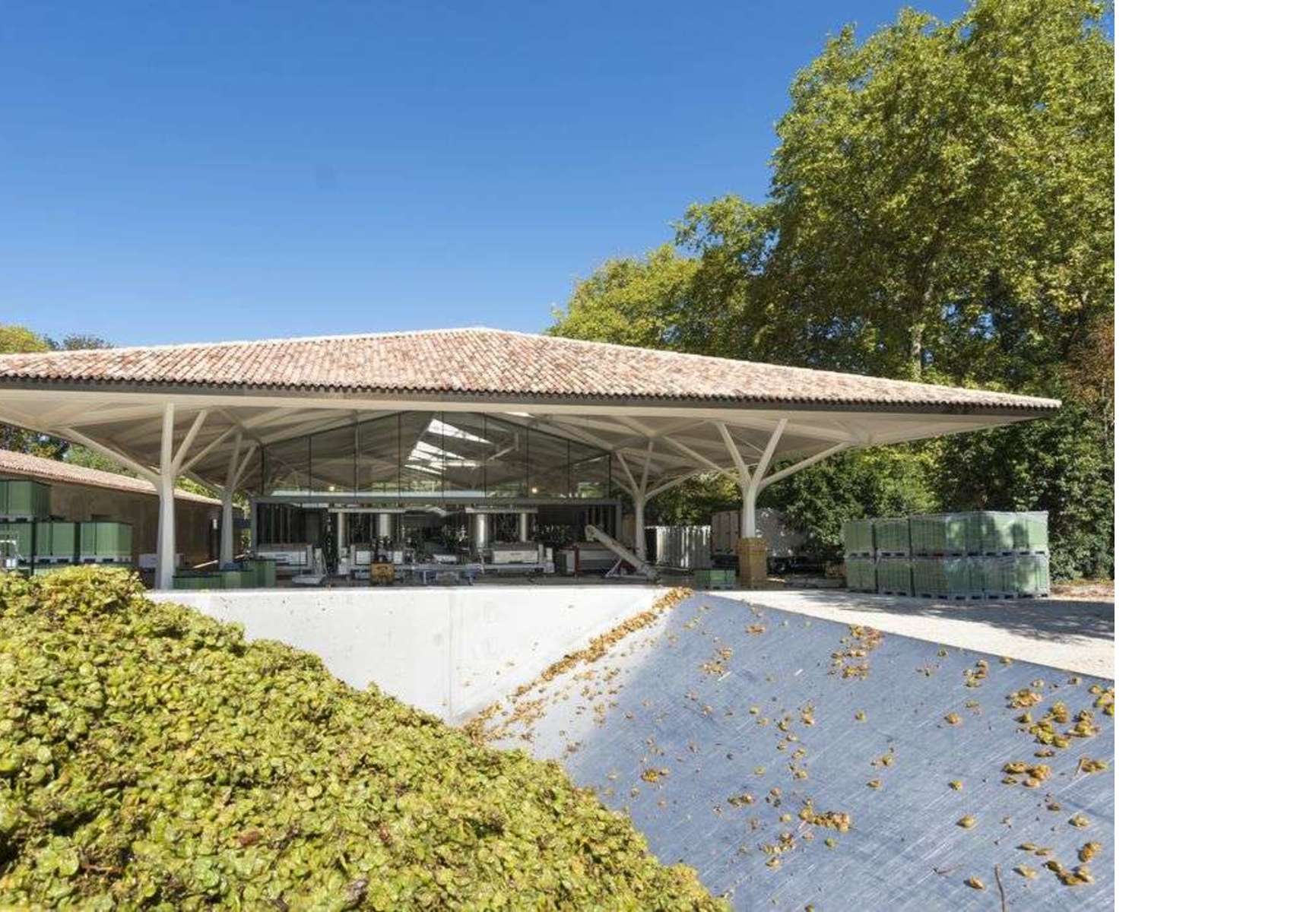
Château Margaux was producing ‘Chateau Margaux Vin de Sauvignon’ in the 19th century, renamed Pavillon Blanc in the 1920s. So dedicated are they to their white wine that the new cellar designed by Norman Foster opened for the 2015 vintage, is dedicated to their white wine production. 

The new Norman Foster cellar at Château Margaux, designed for Pavillon Blanc.

Georges Cordier, the grandfather of the current owners of Château Talbot in Saint Julien, was one of the first to replant white wine in Médoc in the 1930’s, for their Caillou Blanc de Talbot.

In the 1980s, aware of the history of whites in the Médoc, Philippine de Rothschild planted white vines at Château Mouton Rothschild for l’Aile d’Argent, the name inspired by a fairy story her father used to tell her.

The 90s revolution.

Following the improvement in quality in the 1990s, more white labels started appearing in the Medoc. 

Les Arums de Lagrange and les Fleurs du Lac.

In 1996, one of my favourite whites from the Médoc, Les Arums de Lagrange, was created. The white vines are planted on Haut Médoc land at the Saint Julien property. Named after the Lilies growing around the lake, it has been so successful, extra land has been purchased specifically for white plantations and in 2011 they introduced a second wine Les Fleurs du Lac.

Blanc de Lynch-Bages from Château Lynch Bages arrived around the same time, from white vines on eight specific parcels of the historical Lynch-Bages terroir in Pauillac.

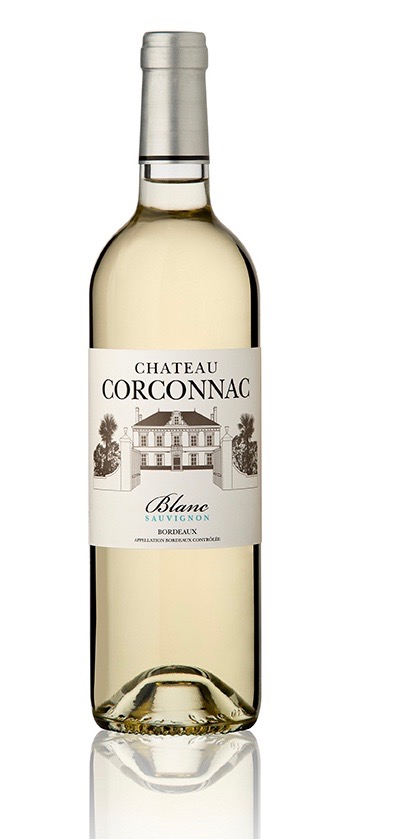
Corconnac Blanc

Château Corconnac, a Cru Bourgeois in Haut Medoc planted Sauvignon Blanc vines in the 1990s with the arrival of the new owners the Pairault family. They produce about 1000 bottles per year – just perfect amount to fill a wine press. 

Latest arrivals.

Chateau Cos d’Estournel started small in 2015 with their dry white producing just a 100 cases. By 2018 they had increased production and introduced a second white wine to maintain quality, using same name as red second wine, Les Pagodes de Cos. The white wine grapes are grown on cooler soils to the north of Saint Estephe, not far from their Medoc property Goulée.  

Château Forcas Hosten Blanc

In 2011, Château Fourcas Hosten in Listrac went back to the future, re planting a historic 2ha clay limestone plot with Sauvignon Blanc and Sauvignon Gris, adding some Semillon later. Caroline Arnaud, who had previously made whites in the Graves, made their first white vintage 2014. She has since moved to Château Clerc Milon, who knows perhaps there will soon be a white wine there too?

2019 is the first white vintage for Le Pélican Blanc de Château Doyac. A biodynamic Cru Bourgeois of Haut Médoc, they selected 1,5 ha on the cooler limestone plateau of Saint-Seurin de Cadourne, fermenting in amphorae and barrels.

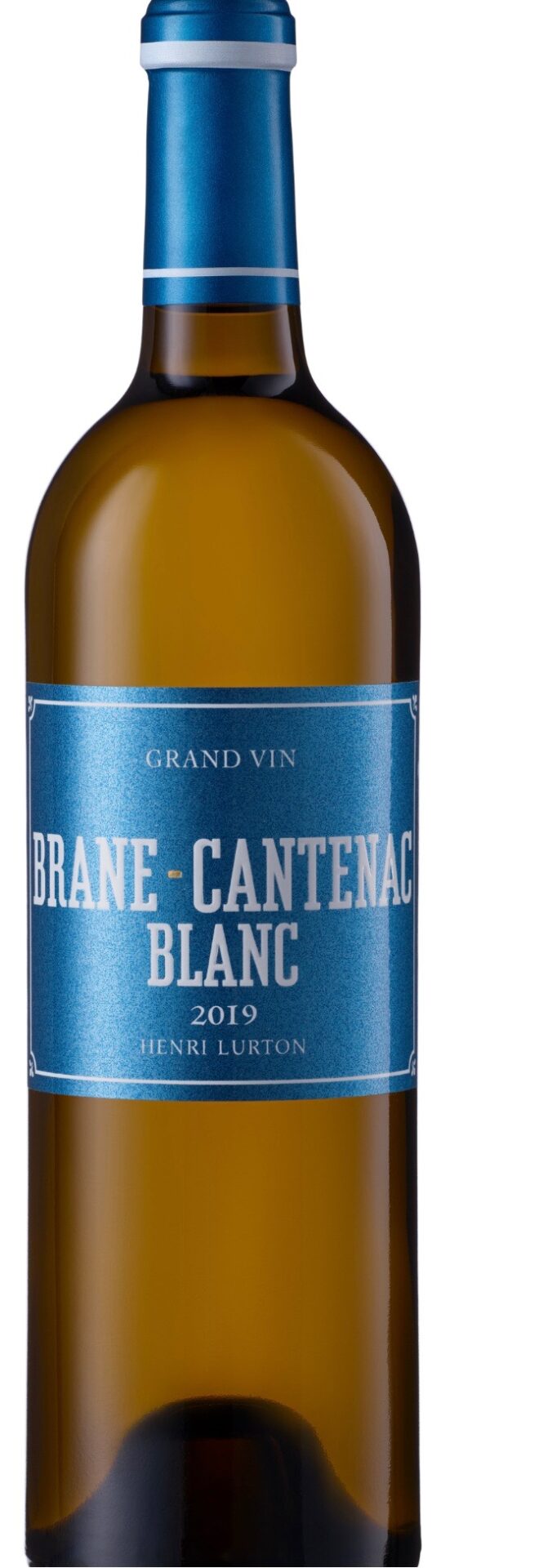
The brand new Brane- Cantenac Blanc

The latest member of the club (as far as I’m aware) is Château Brane-Cantenac in Margaux. This classified growth released its first, 2019 vintage of Brane-Cantenac Blanc in December 2020. A three ha micro terroir of cooler clay on a patch of AOC Haut Medoc land of the estate are dedicated to white production. The vines planted include Sauvignon Blanc clones from the Loire Valley and 20% Semillon clones used for sweet Bordeaux production. 

Vin de France. 

With no specific white Médoc appellation, some winemakers are even more adventurous, using the Vin de France designation that allows more freedom in grape varieties than Bordeaux Blanc. 

Le Blanc du Tertre from Chateau du Tertre in Margaux continues the Bordeaux tradition of blending but uses Chardonnay, Viognier and Gros Manseng alongside Sauvignon Blanc, inspired by their experience in Italy at their property Caiarossa. They produce just 6000 bottles from under 2ha of vines. 

Tertre Blanc

Chateau Palmer also produces a small amount of dry white Vin de France. Finding old bottles at the property suggesting white wine was produced here in the early 1900s, Palmer revived the tradition with a tiny production in 2007 using a blend of 50% Muscadelle, 35% Loset and 15% Sauvignon Gris. It’s hard to find but worth the search. 

Palmer White – keeping it simple

What way forward? 

Along with dry whites in Sauternes and Barsac and a few in Libournais (more to follow in a future blog), these are top quality wines grown on top quality terroirs. Many producers feel that selling them under the Bordeaux Blanc appellation does them a disservice by not allowing them to identify with their sense of place and their specificity. New appellations are under discussion but opinions are far from unanimous. Many traditionalists feel that using the same appellations for dry whites as for red (or sweet whites) will dilute the image of the appellations, confusing consumers further. 

What will be the future for theses ‘orphaned’ white appellations? Stay tuned. 

If you enjoyed this post,   please  sign up here  to receive future blog posts directly to your inbox. If you would like to read more about Bordeaux, you can buy a copy of Bordeaux Bootcamp here, to learn more about Wine and Wellness, buy a copy of  The Drinking Woman’s Diet here. Interested in touring with me or an on line wine experience contact me here.