We don’t grow Syrah in Bordeaux; you’ll know that of course if you’ve travelled here or attended class with me. Bordeaux is all about the blend but the principal grape variety here is Merlot (not Cabernet Sauvignon as many think), which represents about 65% of current planting across the region followed by 23% Cabernet Sauvignon, 10% Cab Franc and 2% of the other varietals (Petit Verdot, Malbec, Carmenere) permitted by the AOC (or AOP) appellations rules. There is an argument that with climate change (an argument all by itself!) that there may be a place for Syrah here in the future but perhaps not in my tenancy.
However that does not stop an alliance between Bordeaux and this Rhone varietal, a tradition dating back to the 16th century, if a little talked about practice in the 19th century when wine merchants were responsible for the blending and ageing of wines in Bordeaux. A practice put to a stop by the creation of appellations in 1936 by INAO.
Two famous names from the Medoc have successfully revived the Bordeaux-Syrah tradition.
2004 was the first vintage of classified Haut Medoc property Chateau La Lagune made by Caroline Frey, whose family purchased the estate in 2000. Oenologist Caroline Frey, with her young team, has overseen the renovation of the property first the cellars and then the spectacular chartreuse and has increased the size of the estate and introduced a third label Mademoiselle L, a particular favourite of mine.
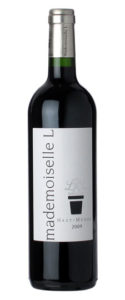
As if she didn’t have enough on her hands the family purchased Domaines Paul Jaboulet Aîné, in 2006. Her constant trips across France managing both properties inspired her to revive the old traditional of adding a little Syrah to a Bordeaux blend to give extra colour, backbone and structure.
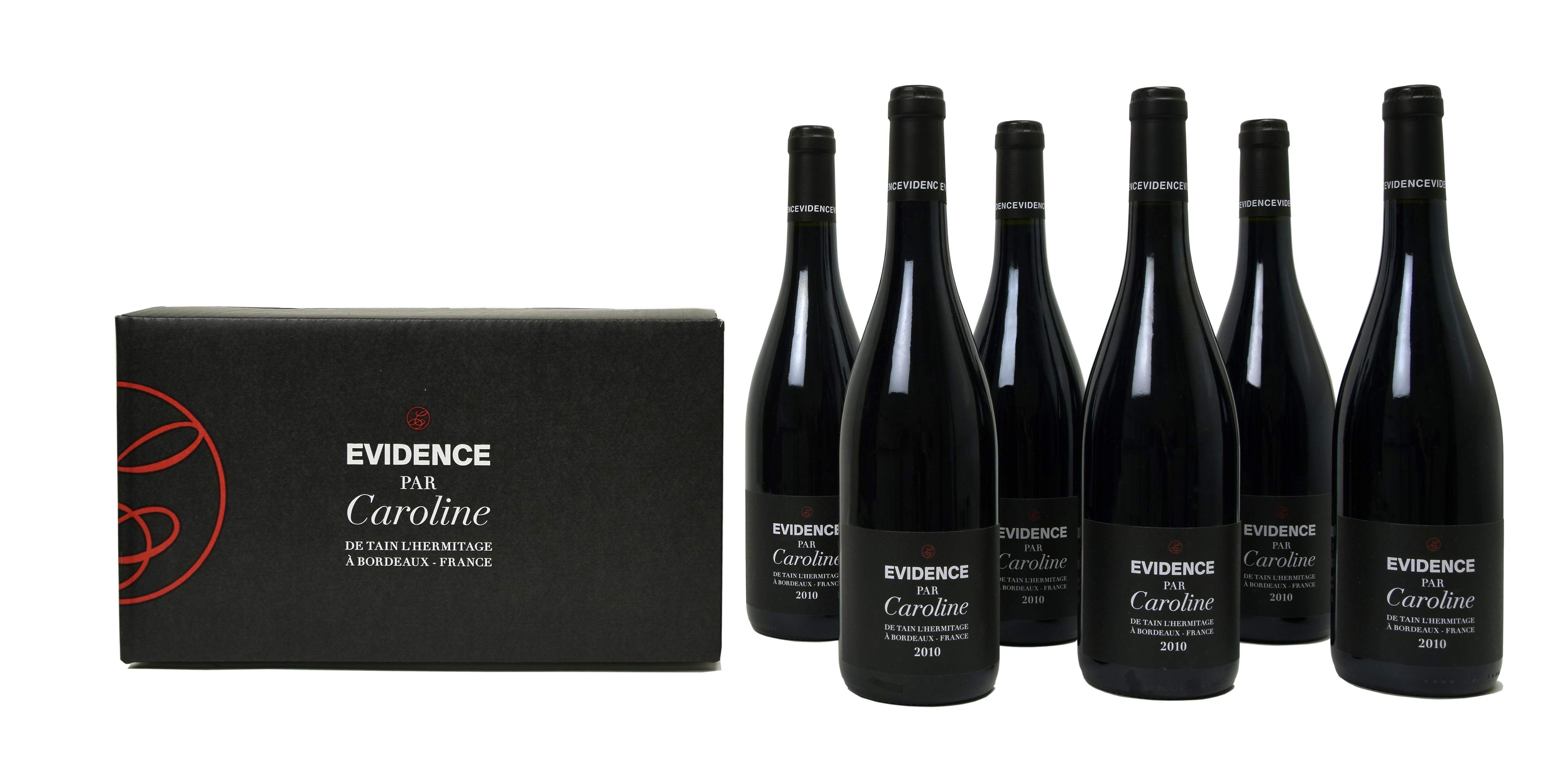
Her first blend was created in 2006 under the label DUO. This top end, low production wine is a blend of their iconic Rhone valley vineyard La Chapelle and the first wine of Chateau la Lagune. Since 2010 however Caroline has made a more accessible version, in style, volume as well as price under the label Evidence.

This new wine is a blend of plots destined for le Moulin de la Lagune, the second wine of the chateau and selected plots of younger Syrah owned by Jaboulet in Hermitage. It therefore includes Syrah, Cabernet and Merlot. The wines are aged separately in 15% new oak for 18 months on opposite sides of France before being blended in the cellars of merchant Jaboulet in the Rhone and sold as a Vin de France.
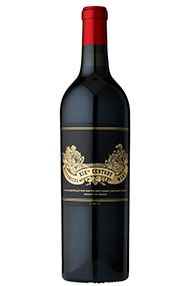
Chateau Palmer has also produced an aptly named, “Historical XIXth Century Wine”, This blend of about 50% Merlot and 50% Cabernet from Château Palmer to which around 10-15% Syrah from the northern Rhône is added, depending on the vintage, has seen the light in 2004, 2006, 2007 and 2010. This is also an exclusive release with only about 100-400 cases made, again depending on the vintage. The 2010 has yet to be released. Its origin is also a personal story. In early 2005, the new head of Château Palmer, Thomas Duroux, tasted a Château Palmer 1869 at the home of an American wine collector. Bottles from this period have been found with the added mention “hermitagé” or “ermitagé”, referring to the practice of adding wine from the Northern Rhone for the reasons mentioned above. Hence the idea was born to revive this tradition with a name chosen to reflect the property’s links with the British market.
Other Bordeaux producers are also familiar with Syrah, and in many regions Cabernet and Syrah are blended to great effect. I recently tasted the Lafite owned Aussières Rouge, Vin de Pays d’Oc, an elegant blend of Cabernet Sauvignon and Syrah produced in their Languedoc property.
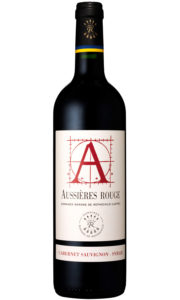
Aussières Rouge from the Lafite property in Corbieres
It’s a seductive blend and I would be interested to hear if any of you have any other examples to share.